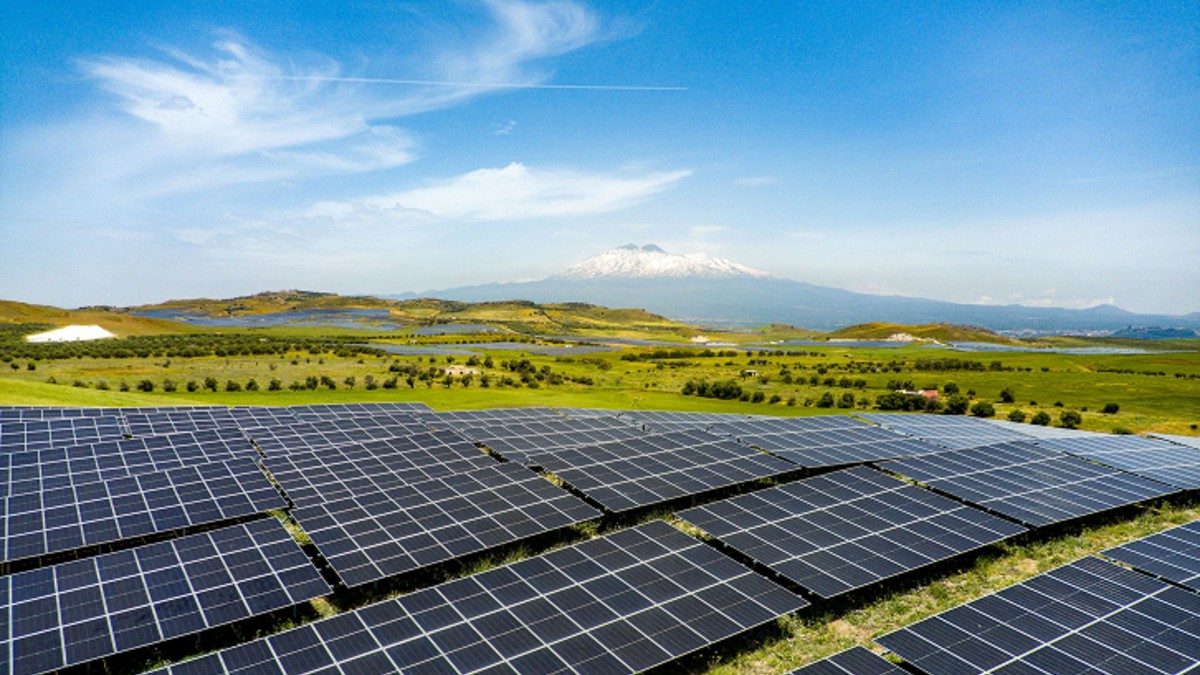
Spain's Iberdrola has commissioned Italy's largest solar farm in Sicily, marking another step forward in the nation's renewable energy expansion. The facility generates substantial clean power output and reinforces Italy's commitment to reducing fossil fuel dependence.
Italy faces mounting pressure to meet EU climate targets, which require member states to phase out coal and dramatically increase renewable capacity by 2030. Solar installations have accelerated across the country in recent years, particularly in southern regions where sunlight is most abundant. Sicily's geography makes it ideal for large-scale solar development.
The new farm adds critical capacity to Italy's grid at a time when the country relies heavily on imported natural gas and coal. Southern European nations benefit from higher solar irradiance than their northern counterparts, giving them a natural advantage in photovoltaic deployment. This Sicily facility positions Italy competitively within Europe's clean energy race.
Iberdrola, one of Europe's largest renewable energy operators, has aggressively expanded solar capacity across Spain, Italy, and other markets. The company aims to lead Europe's energy transition while utilities worldwide race to decommission aging coal plants and nuclear reactors. Solar farms like this one require minimal ongoing fuel costs compared to traditional power plants, making them economically attractive over their 25-to-30-year lifespans.
Italy's total renewable capacity has grown steadily, though the country still lags behind Germany and Spain in overall solar deployment. Distributed residential and commercial rooftop systems complement utility-scale farms, creating a diversified clean energy portfolio. However, grid infrastructure upgrades remain essential to handle increased variable renewable output.
The Sicily facility demonstrates how southern European real estate can be transformed into productive power generation assets. Local land use becomes an economic driver when farmers and property owners lease space for solar arrays. This model has proven successful across Mediterranean regions and continues expanding.
Italy's renewable transition faces headwinds from aging grid infrastructure and