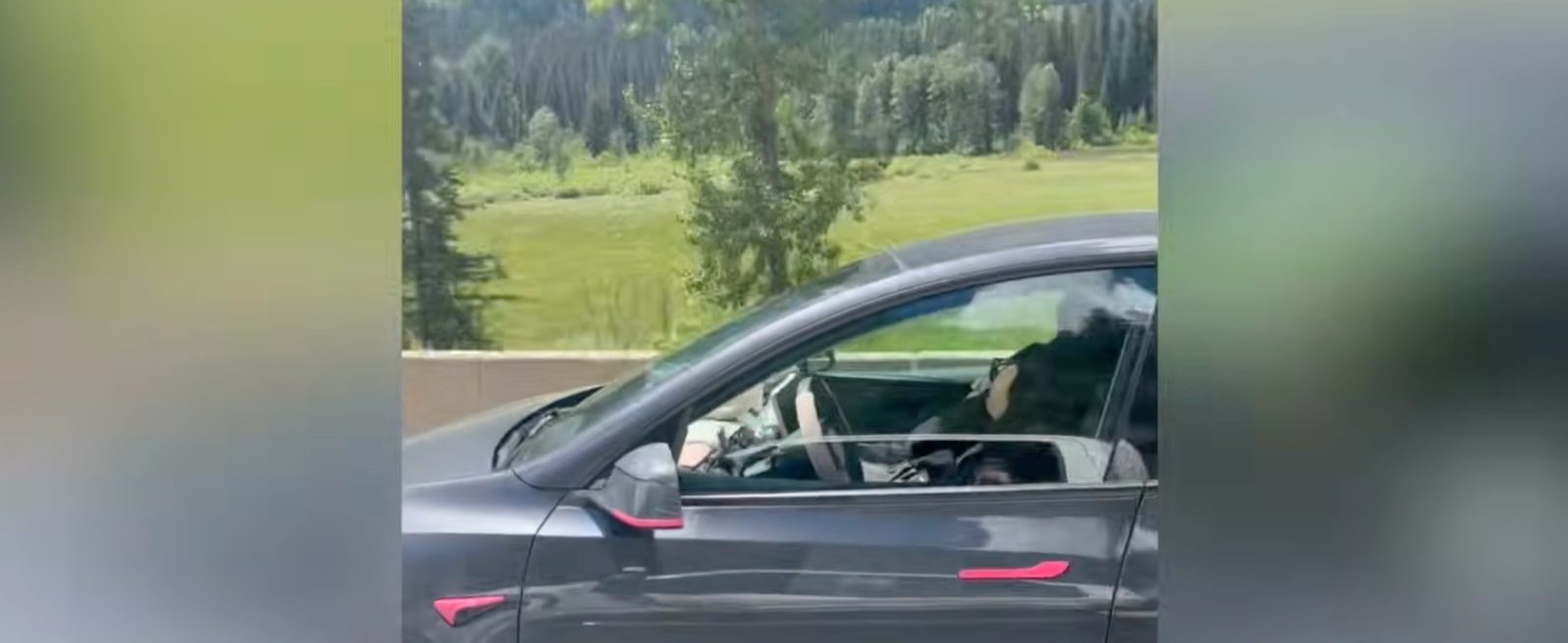
Tesla's in-cabin camera failed to prevent a driver from falling asleep at 60 mph, raising fresh questions about the vehicle's driver-monitoring capabilities. The incident, documented in Electrek's Quick Charge episode, shows the camera did not alert or intervene as the driver dozed off during operation.
Tesla equipped Model 3, Model Y, and other recent vehicles with in-cabin cameras ostensibly to monitor driver attention. The stated purpose involves detecting distracted or drowsy driving and issuing warnings. In practice, however, the system appears ineffective at preventing dangerous situations like highway naps.
The failure arrives as Tesla faces broader scrutiny over Autopilot and Full Self-Driving safety claims. Multiple accidents, investigations, and lawsuits have challenged Tesla's assertion that these systems keep drivers engaged. This latest incident reinforces the gap between Tesla's promises and real-world performance.
Meanwhile, Wisk Aero faces its own legal troubles unrelated to Tesla's camera shortcomings. The electric aircraft startup confronts a lawsuit, though details remain limited.
Tesla's in-cabin camera may serve purposes beyond safety monitoring. The company could leverage the footage for data collection, training, or other undisclosed applications. Without transparency on how Tesla uses in-cabin video, drivers cannot fully assess privacy implications or the camera's actual function.
Regulators and safety advocates increasingly question whether cameras alone suffice to prevent driver fatigue. Effective drowsiness detection requires robust algorithms, timely alerts, and enforcement mechanisms. A camera that simply records events without intervention provides false security.
Tesla owners relying on this technology to compensate for long drives operate under a dangerous misconception. The in-cabin camera appears to serve as a reactive documentation tool rather than an active safety system. Drivers must remain responsible for their alertness behind the wheel, particularly during highway driving where microsleeps prove fatal.