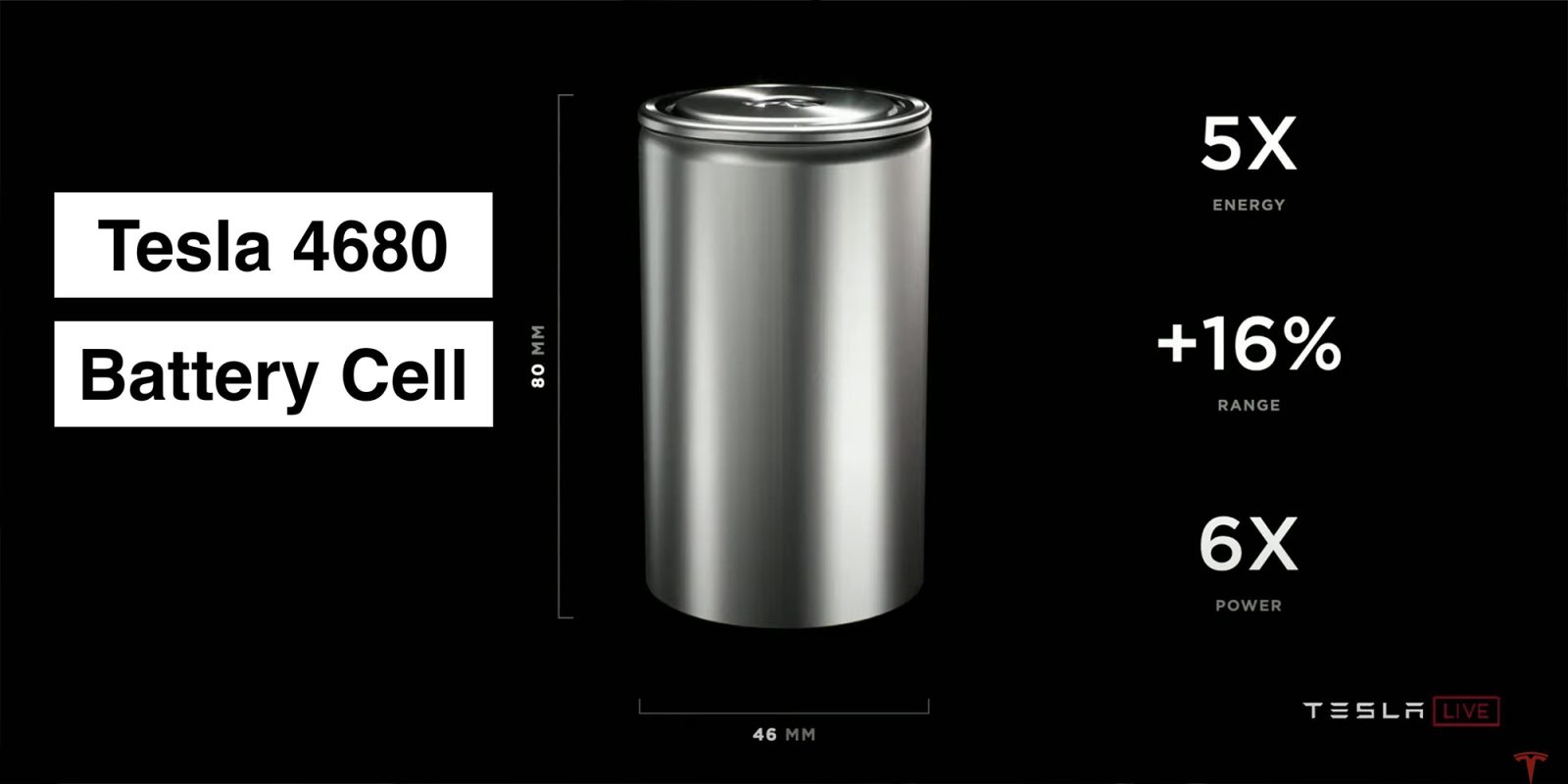
Tesla is launching a startup accelerator program at its Berlin Gigafactory, inviting external companies to pilot battery cell technologies on its live production line. The "Cell Giga Challenge" grants startups access to Tesla's operational 4680 cell manufacturing environment at Grünheide, Germany.
The initiative addresses Tesla's aggressive battery scaling roadmap. The Berlin facility targets 18 GWh of annual 4680 cell capacity, positioning it as one of Europe's largest cell manufacturers. By opening production floors to external innovators, Tesla gains early exposure to emerging battery technologies while sharing infrastructure costs and development risk.
This approach reflects industry-wide battery cell competition. Tesla's 4680 cells promise higher energy density and faster charging than traditional 2170 cells, but scaling remains difficult. Competitors including Panasonic, LG Energy Solution, and Samsung SDI control significant cell production. Chinese makers CATL and BYD dominate global market share. Tesla's vertical integration into cell manufacturing differentiates its supply chain, but external partnerships accelerate innovation cycles.
The Berlin facility supplies Model Y and upcoming models for European markets. Ramping to 18 GWh requires solving manufacturing bottlenecks around coating, assembly, and quality control. Startup technologies in thermal management, electrode materials, or production automation could address specific pain points without requiring Tesla's internal R&D to solve everything independently.
This challenge also signals Tesla's confidence in Grünheide's operational maturity. The factory faced permitting delays and environmental reviews before opening in 2022. Inviting startups onto the production floor demonstrates the facility runs stably enough to accommodate external partners and maintain yield targets.
For startups, access to Tesla's production line provides validation impossible to achieve elsewhere. Few battery companies operate at scale comparable to Tesla's German operations. Successfully piloting a technology here becomes a credential for raising