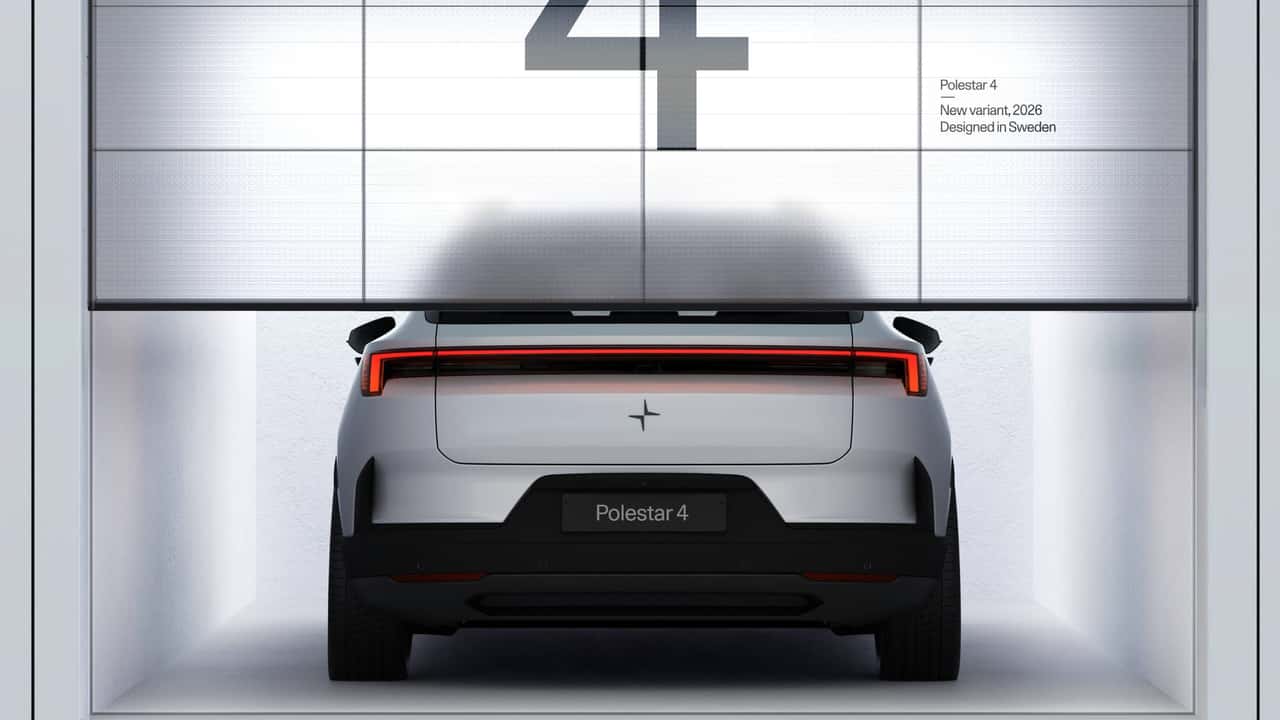
Polestar expands its global lineup with the new Polestar 4, a vehicle the Swedish EV maker officially classifies as an SUV despite its wagon-like proportions. The company, which ended U.S. operations, continues developing models for international markets where demand supports its premium electric strategy.
The Polestar 4 blurs traditional vehicle categories. It features a sleek, elongated roofline and extended cargo area that echo classic wagon design, yet Polestar markets it as an SUV to align with consumer preferences and market segmentation realities. This naming approach reflects broader industry trends where manufacturers label vehicles based on buyer perception rather than strict form-factor definitions.
Polestar, Volvo's performance-focused EV brand, positions itself as a competitor to established luxury marques like Audi and BMW in electric segments. The 4 represents its commitment to expanding the Polestar lineup beyond the 3 sedan and 2 coupe, targeting buyers who want elevated design and performance in a versatile package.
The wagon-styled SUV arrives as the EV market matures and consumers increasingly abandon traditional combustion SUV models. Polestar's approach capitalizes on this shift, offering functional space without the bulk of conventional three-row SUVs. The vehicle carries the brand's design language, emphasizing minimalist Nordic aesthetics and technological integration.
Polestar's absence from North America reflects the premium EV market's brutal economics. The company struggled to achieve profitability competing against Tesla, Lucid, and Mercedes-Benz's EV efforts while operating under Volvo's corporate constraints. By focusing on European and Asian markets where EV adoption accelerates faster and regulatory support remains stronger, Polestar optimizes its resource allocation.
The Polestar 4 launches during a consolidation