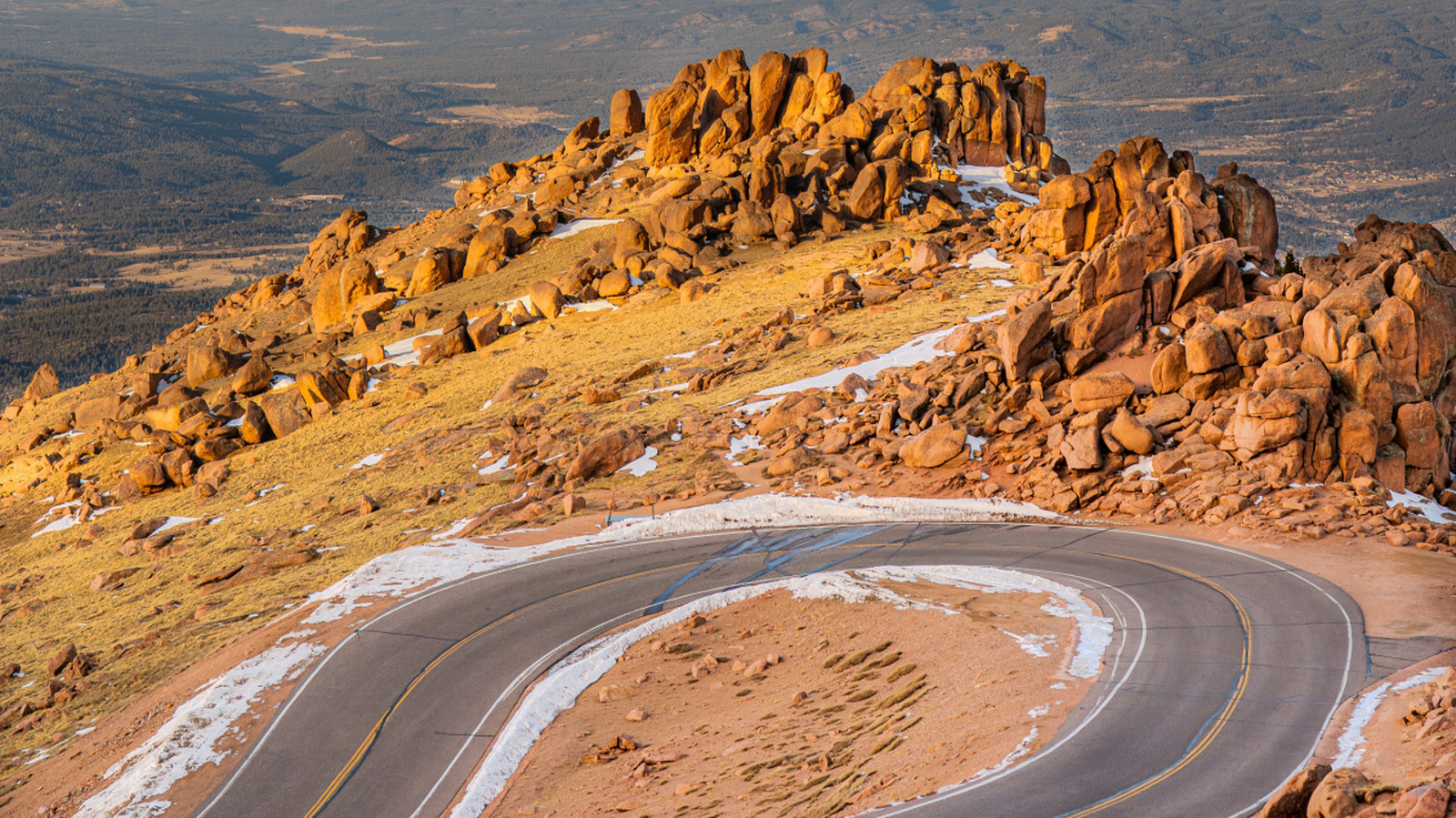
America's highest-elevation highways demand respect from drivers and vehicles alike. These extreme mountain routes test both mechanical capability and nerve, separating weekend warriors from serious road-trip adventurers.
The most punishing stretches climb above 12,000 feet. Mount Evans Scenic Byway in Colorado tops out at 14,130 feet, making it the highest paved road in North America. Drivers face thin air, unpredictable weather, and switchbacks that reward careful steering. The road narrows significantly at higher elevations, leaving zero margin for error.
Other notorious climbers include Pikes Peak Highway in Colorado, which reaches 14,115 feet, and Trail Ridge Road in Rocky Mountain National Park, cresting at 12,183 feet. The San Juan Skyway in southwestern Colorado and the Peak to Peak Highway offer similarly challenging terrain.
These roads expose vehicle limitations quickly. Engines lose power in thin oxygen. Brake fade becomes a real threat on long descents. Older vehicles and those with marginal mechanical condition struggle noticeably. All-wheel drive helps, but it's not essential. What matters most is steady throttle control and reliable brakes.
Weather shifts violently at altitude. Clear skies transform into sudden thunderstorms. Snow arrives early and stays late. Roads close seasonally, sometimes without warning. Summer represents the only reliable window for safe passage.
The driving experience itself demands focus. Hairpin turns, sheer drop-offs, and oncoming traffic in narrow passages eliminate distraction tolerance. Speed kills faster than anywhere else. Locals navigate these roads routinely, but visiting drivers should treat elevation gain with genuine caution.
These highways deliver raw American scenery. Jalopnik's interest in them reflects a broader automotive culture truth. Real road trips still happen on pavement that challenges drivers and hardware. Modern cars handle these passages better than their predecess