Several conventional gasoline cars still achieve highway fuel economy above 40 MPG, proving that non-hybrid powertrains remain viable for efficiency-conscious buyers. These models rely on lightweight construction, aerodynamic design, and advanced combustion engines rather than electric assistance.
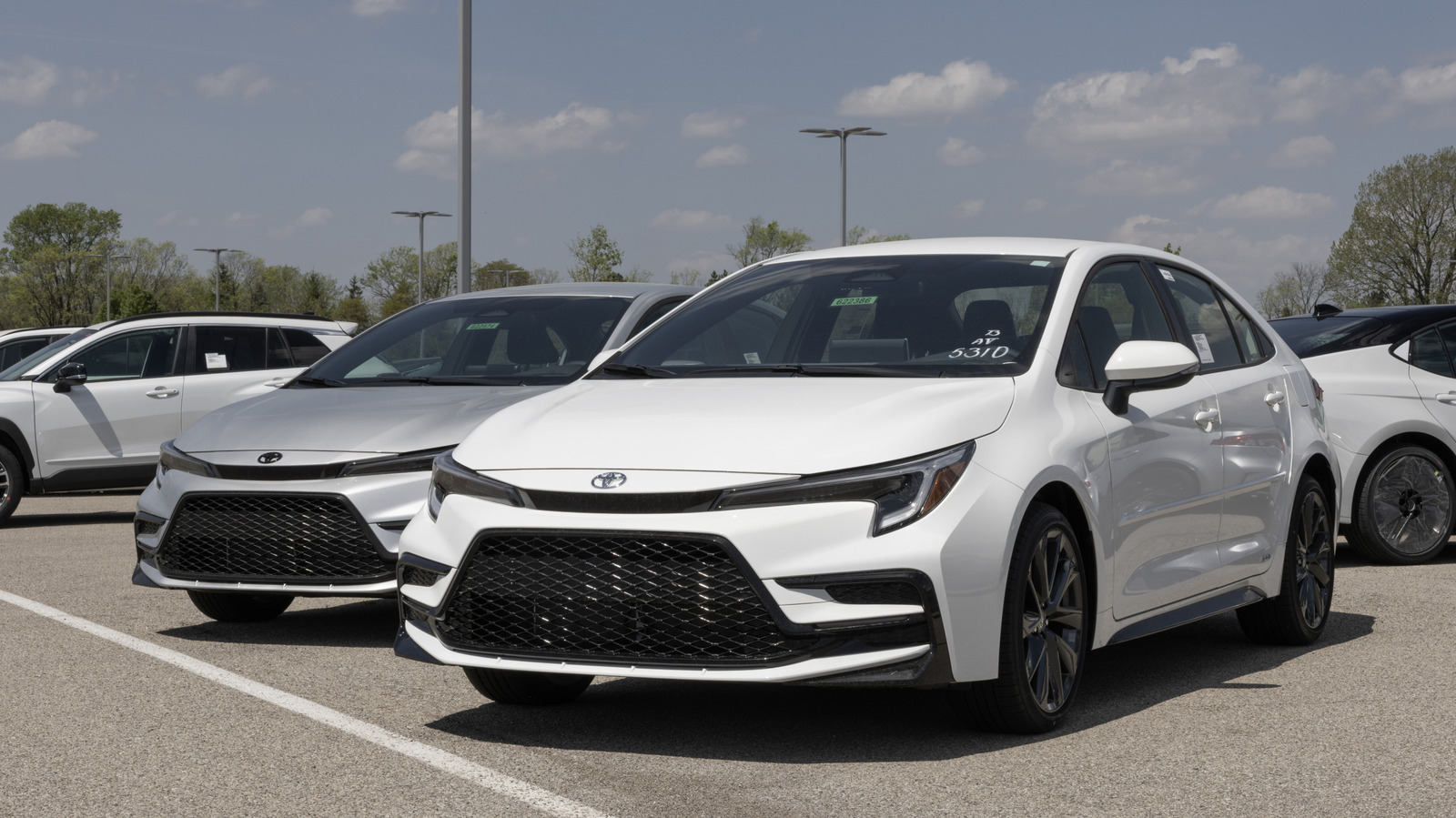
The Toyota Corolla continues to lead the segment. Its base sedan with a manual transmission reaches 38 MPG combined and tops 50 MPG on the highway. The Honda Civic achieves similar numbers, with highway ratings near 42 MPG in base trim. Both compact sedans use proven platform efficiency and responsive four-cylinder engines to maximize fuel economy without hybrid complexity.
The Hyundai Elantra competes aggressively in this space, delivering highway figures exceeding 40 MPG across most trims. Its lighter curb weight and optimized gearing help it match or beat Japanese competitors. The Kia Forte, Hyundai's corporate sibling, mirrors this performance with comparable efficiency ratings.
Subaru's Impreza rounds out the compact sedan field, achieving mid-40 MPG highway figures despite featuring standard all-wheel drive. This makes it attractive for buyers in snow-prone regions who refuse to sacrifice efficiency for traction.
For drivers seeking something different, the Mazda3 sedan delivers engaging driving dynamics alongside 40-plus MPG highway numbers. Its SkyActiv engine technology emphasizes compression ignition principles to wring efficiency from a traditional gasoline layout.
The Volkswagen Jetta also qualifies, with highway economy reaching the low 40s depending on trim and transmission selection. Its turbocharged 1.5-liter engine balances power and efficiency effectively.
These vehicles prove that hybrid systems, while advancing rapidly, don't represent the only path to four-figure highway mileage. Manufacturers continue refining conventional engines through improved