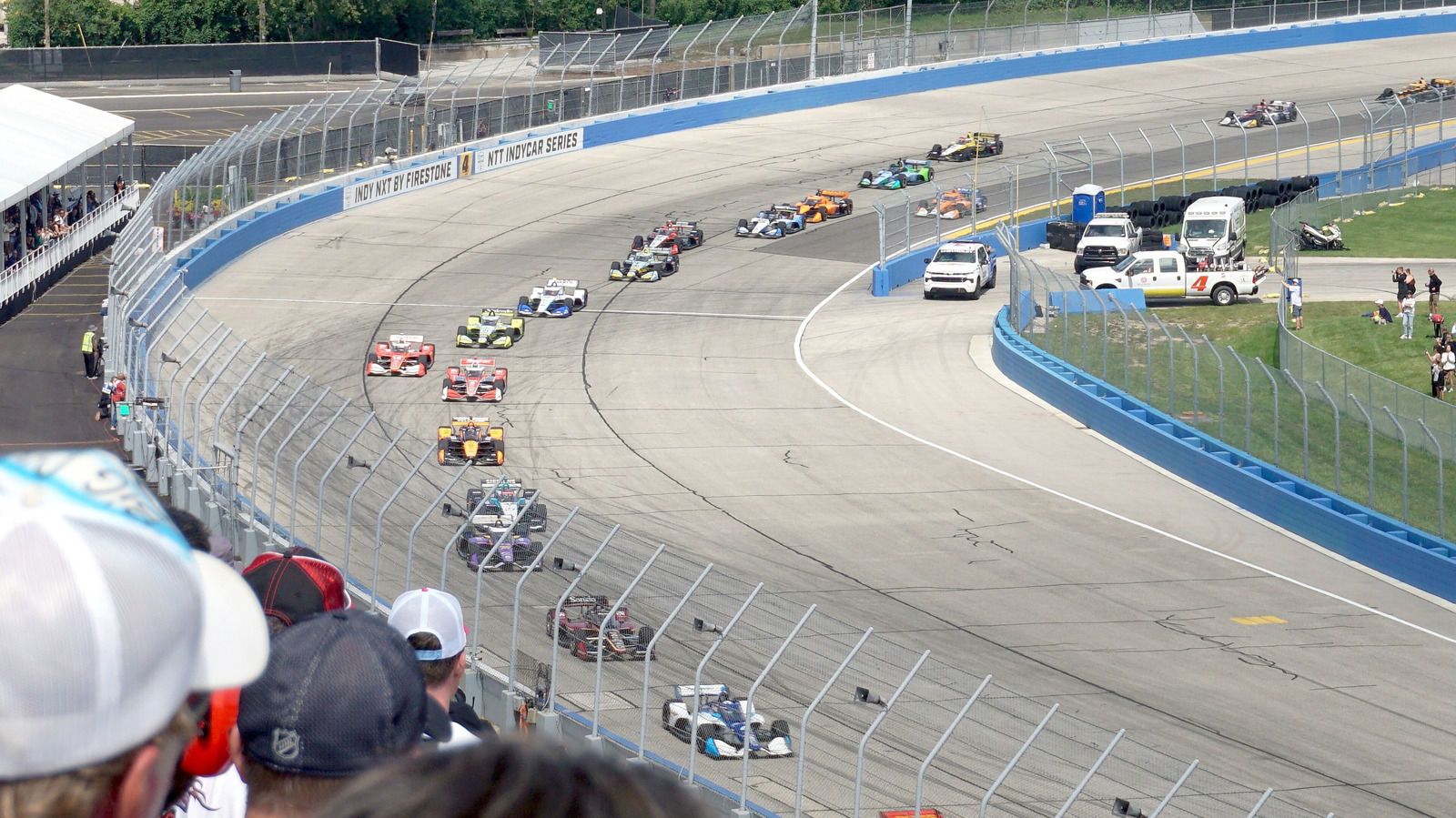
Milwaukee Mile holds the distinction of being the world's oldest continuously operating motor speedway, a title it has defended since opening in 1903. The one-mile oval track in Wisconsin has survived over 120 years of changing motorsports landscapes, economic pressures, and entertainment trends that shuttered countless competitors.
The venue has hosted marquee events across multiple racing disciplines. IndyCar remains the flagship series at Milwaukee Mile, drawing crowds for its distinctive high-speed oval racing. The track also welcomes IMSA sports car competition and has a deep history with open-wheel racing dating back to its early days. Stock car racing and various other motorsports have rotated through the calendar over decades.
What sets Milwaukee Mile apart is durability. Most American speedways built in that era have closed or been demolished. Indianapolis Motor Speedway, which opened in 1909, technically runs second to Milwaukee. The track's longevity reflects successful management transitions and an ability to adapt programming to maintain relevance in a fragmented sports entertainment market.
Modern Milwaukee Mile operates under demanding standards. IndyCar races there demand state-of-the-art safety infrastructure, premium facilities for drivers and spectators, and competitive purses. These requirements represent exponential increases from the track's early dirt-oval days, yet management has invested in upgrades to maintain sanctioning body approval.
The venue's survival also stems from regional loyalty and Wisconsin's motorsports culture. Milwaukee area racing fans have sustained attendance through lean years when other markets abandoned their tracks. The oval's unique characteristics, including its tight turns and one-mile configuration, create racing spectacles that differ sharply from larger superspeedways like Daytona or Talladega.
Going forward, Milwaukee Mile faces the same headwinds affecting all traditional speedways. IndyCar attendance has declined industry-wide. Real estate pressures in the Milwaukee metro area present ongoing economic challenges. Yet