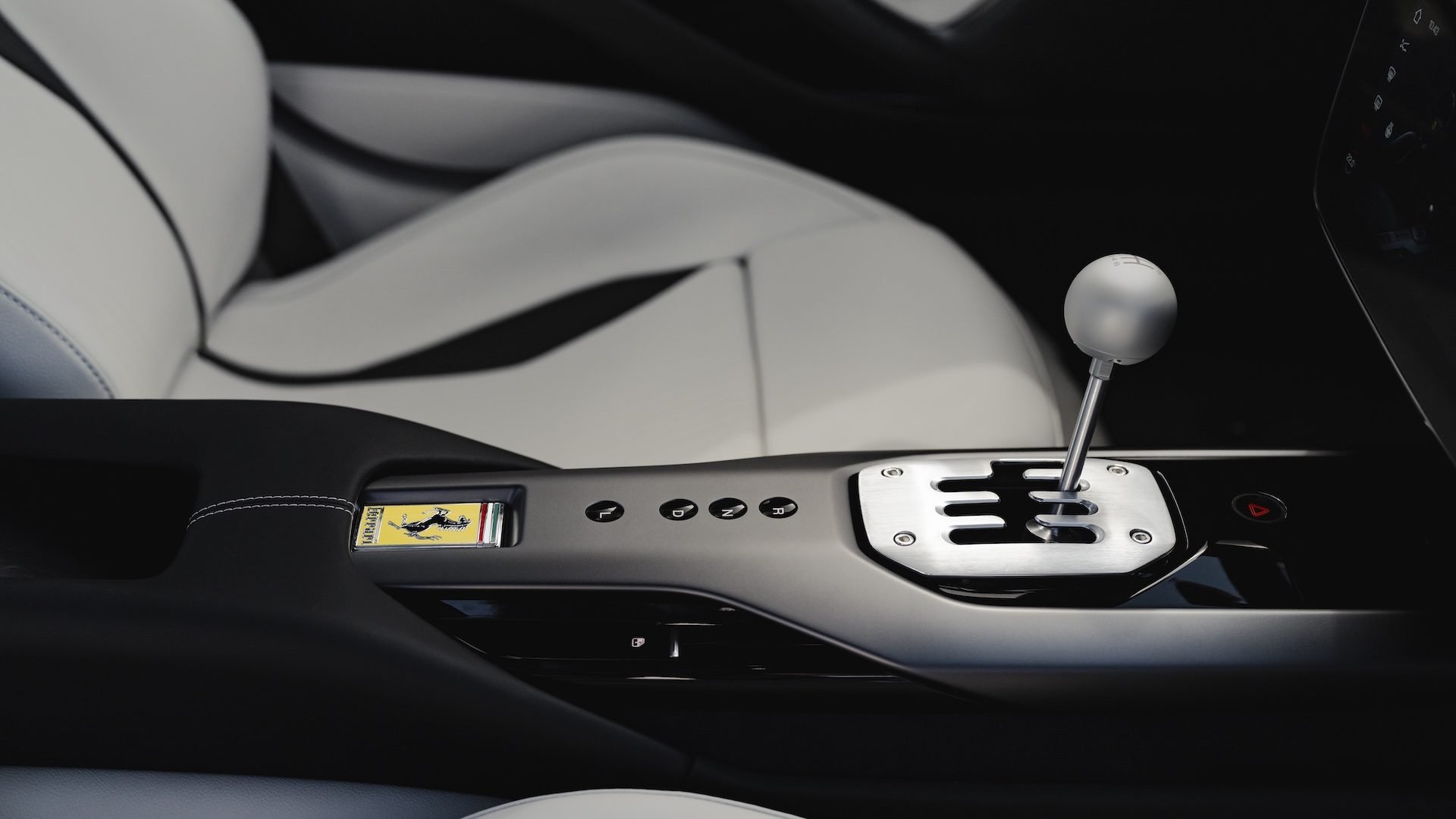
Ferrari has completed a three-decade technological arc. The Italian supercar maker pioneered automated manual transmissions in 1997 with the F355 F1, transforming the manual gearbox into an electronically controlled system. Now, Ferrari reverses course with a new manual-by-wire gearbox that reintroduces driver engagement to modern automatic systems.
This latest innovation lets drivers command gear changes through a physical lever while eliminating the mechanical linkage to the transmission. The system combines the immediacy and control that enthusiasts demand with the smoothness and reliability of modern automatics. Ferrari positions this as offering "the best of both worlds," delivering engagement without sacrificing comfort or performance.
The move reflects broader industry tension between driver experience and technological advancement. Enthusiasts mourn the disappearance of traditional manuals from high-performance cars, yet pure mechanical manuals create efficiency and packaging challenges that modern performance demands don't tolerate. Manual-by-wire addresses this disconnect, preserving the tactile feedback and control purists crave while leveraging electronic precision.
Ferrari's approach differs fundamentally from the crude automated manuals of the 1990s. Today's implementation uses software and electronic actuators to interpret driver intent instantly, eliminating the harshness and delayed engagement that plagued first-generation systems. The lever feels familiar. The behavior responds as drivers expect. The technology underneath remains invisible.
This strategy sets Ferrari apart from competitors racing toward full automatics and paddle shifters. While other manufacturers chase efficiency and convenience, Ferrari recognizes that ownership of a 296 GTB or future models demands authentic connection to the machine. The manual-by-wire transmission becomes philosophy as much as engineering.
The irony is potent. Ferrari launched the automated manual to modernize, proving mechanical complexity could be replaced by electronics. Three decades later, Ferrari automates the automatic to restore what drivers lost in that transition