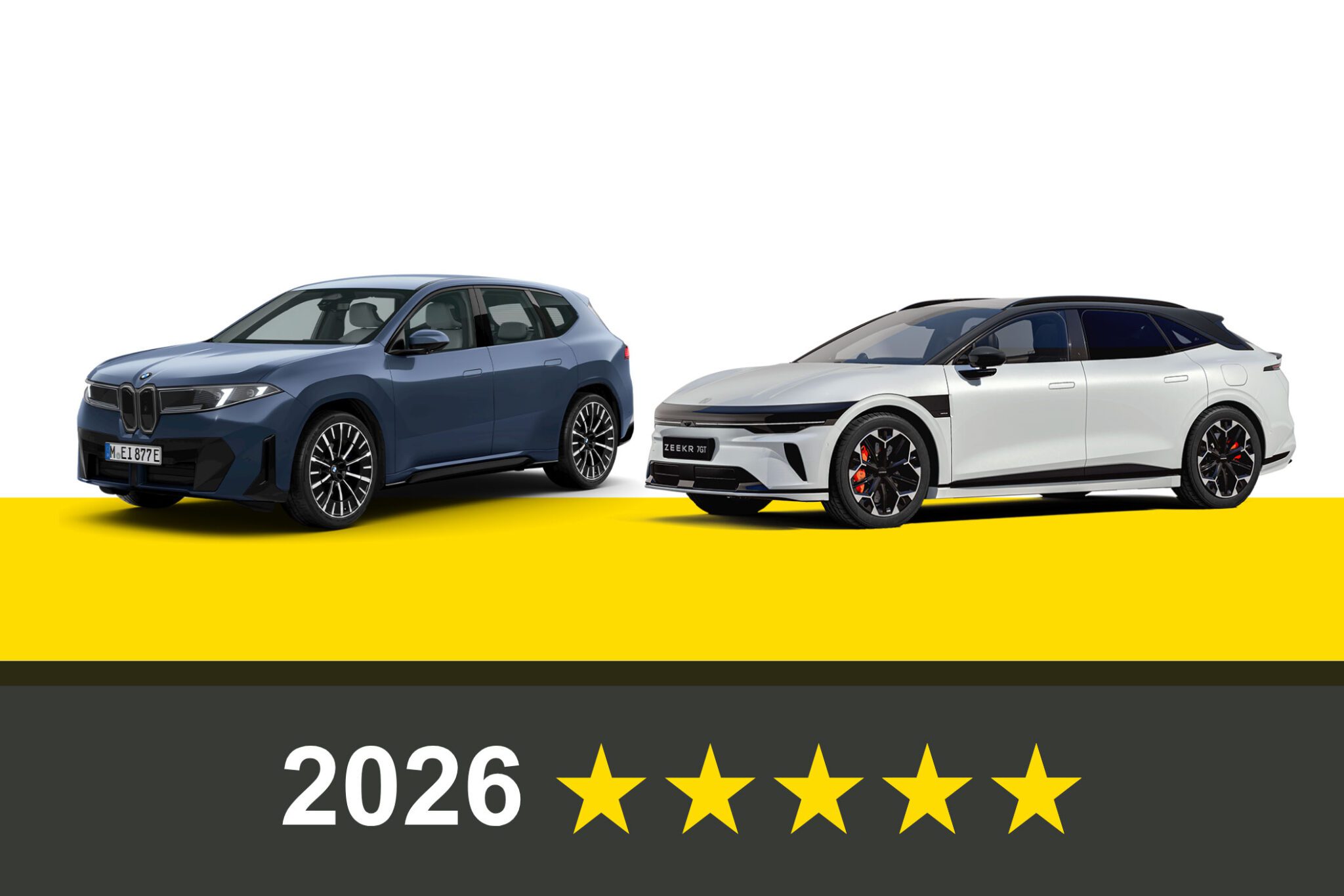
BMW's iX3 and the Chinese-market Zeekr 7GT earned top marks in Euro NCAP's latest testing round, which introduces stricter evaluation criteria that challenge the industry's software-heavy design philosophy.
The testing overhaul prioritizes driver monitoring systems and physical controls, reflecting growing concerns about automation dependency and distracted driving. Euro NCAP now requires vehicles to demonstrate robust safeguards against misuse of advanced driver assistance systems, rather than simply certifying that the tech functions correctly under ideal conditions.
The BMW iX3, the German automaker's electric compact SUV, met these heightened standards alongside Zeekr's 7GT, a Chinese EV crossover gaining traction in export markets. Both vehicles scored well on occupant protection, but their performance in the new driver engagement criteria set them apart from competitors in the testing cycle.
This shift reflects a broader debate in automotive safety. While autonomous and semi-autonomous systems continue advancing, Euro NCAP's emphasis suggests regulators worry about complacency behind the wheel. The testing now evaluates whether vehicles can detect driver inattention and whether owners can easily override or disengage automation without relying entirely on touchscreen interfaces or voice commands.
The move pushes back against the minimalist cockpit trend popularized by Tesla and adopted by many EV startups. Physical buttons for critical functions like emergency braking and gear selection remain valued in Euro NCAP's framework. This contradicts the industry's drift toward consolidated software control, where fewer physical switches mean lower manufacturing costs but potentially higher cognitive load on drivers.
For buyers, the results matter. Euro NCAP ratings drive purchasing decisions across Europe, particularly in fleet and corporate markets. Automakers that ignore the organization's criteria risk losing market share to competitors who embrace its philosophy. The BMW iX3's strong showing reinforces that legacy manufacturers can meet new safety demands while transit