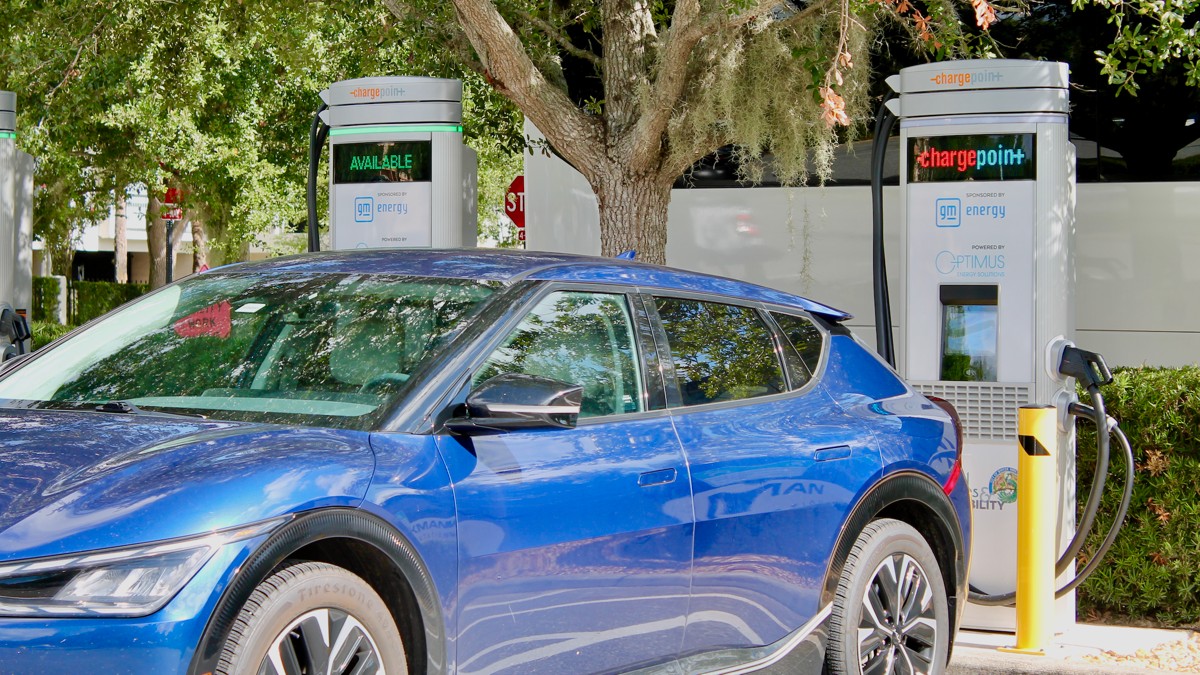
ChargePoint announced an expansion of its partnership with Optimus Energy Solutions to deploy more than 200 new public EV charging ports across the Southeast. The move strengthens ChargePoint's footprint in a region where charging infrastructure remains fragmented and underserved compared to coastal markets.
ChargePoint operates the largest independent EV charging network in North America, with tens of thousands of ports nationwide. The Southeast represents a growth opportunity as EV adoption accelerates in states like North Carolina, Georgia, and Tennessee. Major automakers pushing electric vehicles into dealer showrooms are driving demand for reliable regional networks, and ChargePoint competes directly with Tesla's Supercharger network and other operators like EVgo and Electrify America.
Optimus Energy Solutions specializes in workplace and commercial charging installations, positioning these new ports primarily at fleet hubs, workplaces, and retail locations rather than highway corridors. This complements ChargePoint's existing strategy of layering workplace charging with public corridor coverage. Workplace charging accounts for roughly 60% of all charging sessions today, making it a critical battleground for infrastructure operators.
The deployment targets fill gaps in Southeast markets where EV penetration lags California and Northeast corridors. Georgia leads Southeast EV sales, but charging density remains sparse outside Atlanta metropolitan areas. North Carolina and Tennessee show growing EV market share, yet their networks remain underdeveloped compared to demand.
ChargePoint's hardware supports multiple connector standards, including CCS and NACS, adapting to the industry's recent shift toward Tesla's North American Charging Standard. This flexibility matters as automakers and charging networks standardize on NACS for new installations.
The Southeast expansion reflects ChargePoint's broader strategy of establishing dominance in underserved regions before competitors lock down premium sites. As EV mandates tighten and buyers demand confidence in charging availability, regional density becomes a competitive