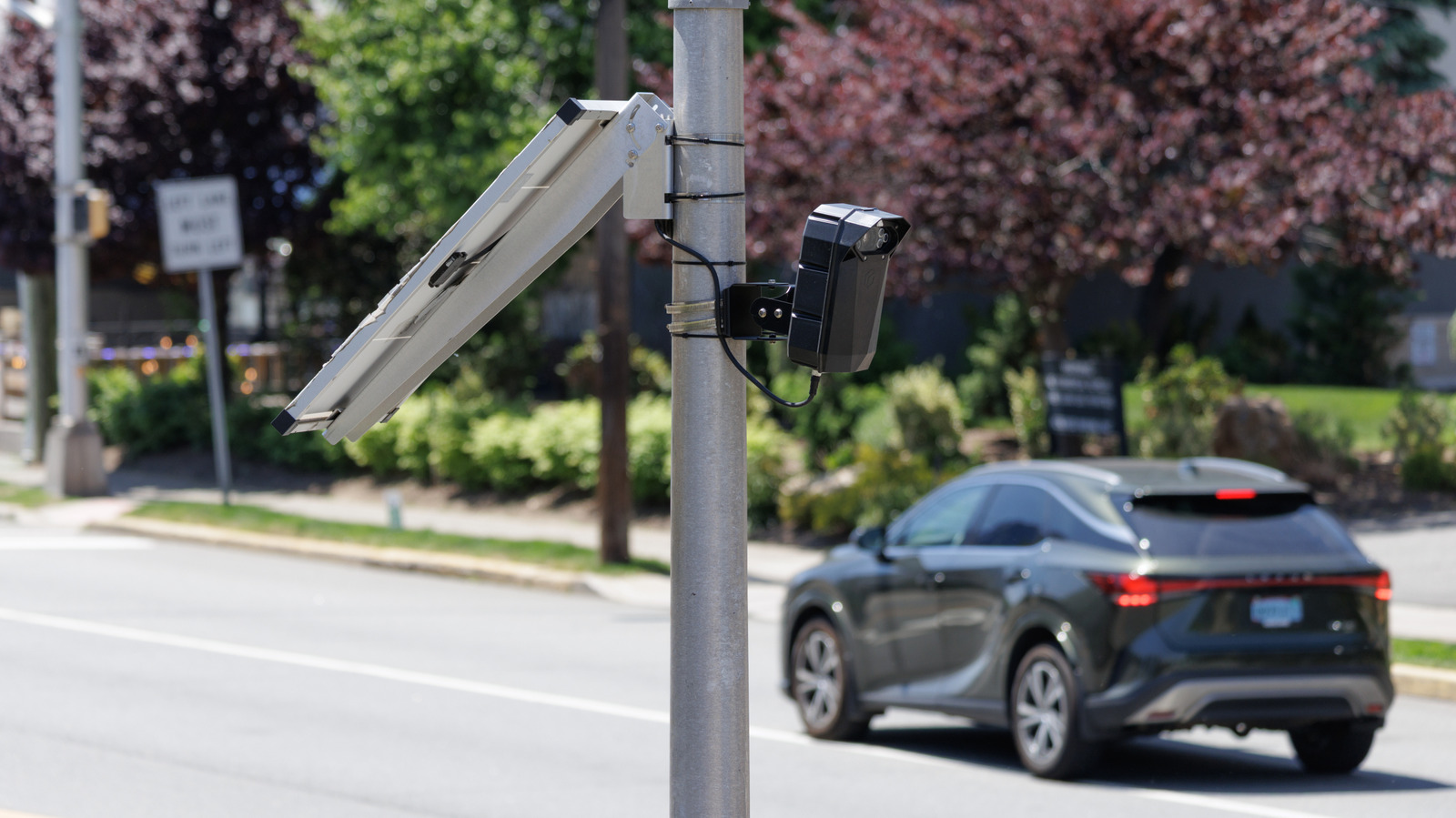
A police officer in the United States abused access to automatic license plate reader (ALPR) technology to track and stalk a woman he found attractive, according to reporting from Jalopnik. The officer, identified as Roman, used law enforcement databases and plate reader data to locate the woman's vehicle after initial street harassment.
This case underscores a troubling vulnerability in how police departments deploy surveillance technology. License plate readers capture millions of images daily, creating searchable databases that officers access routinely for legitimate investigative work. Those same systems become tools for personal misuse when accountability structures fail.
The woman's experience began with typical street harassment, then escalated when the officer weaponized his official access to track her movements. This represents a clear abuse of power and breach of public trust. Police departments across the country have documented similar incidents where officers misused ALPR data, facial recognition systems, and other surveillance tools for stalking, harassment, or personal reasons.
The incident reveals gaps in oversight mechanisms. Many departments lack robust audit trails for who accesses license plate databases and when. Training on ethical use of surveillance technology remains inconsistent. Disciplinary consequences for misuse often come after victims report incidents, placing the burden on those being harassed rather than on institutional safeguards.
Privacy advocates have long warned that unchecked surveillance capabilities create risks beyond their intended purpose. When officers face minimal consequences for misuse, the technology becomes a liability that endangers the public. This case demonstrates why civilians need stronger protections and why departments must implement stricter access controls, mandatory auditing, and swift consequences for abuse.