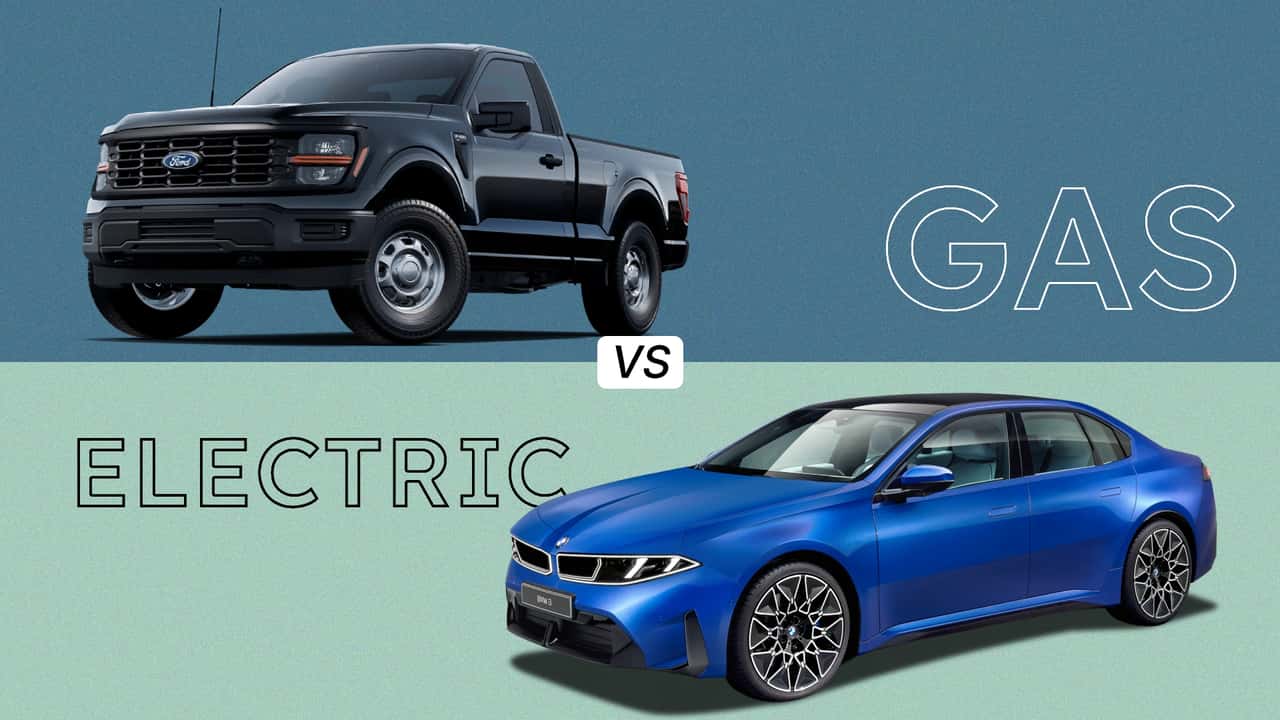
Electric vehicles have improved faster in two years than internal combustion engines did across a full decade, according to this reviewer's assessment. The pace of change reveals a widening technology gap that puts traditional gasoline powertrains in an increasingly difficult competitive position.
Battery technology drives much of this acceleration. Range gains, charging speeds, and cost reductions have compressed timelines that once took gas cars years to achieve. A typical EV today offers 300-plus miles of range as standard, while many models charge from empty to 80 percent in under 30 minutes. Five years ago, these specs belonged to premium vehicles commanding six-figure prices. Now they're creeping into mainstream models under $40,000.
Handling and software have evolved in parallel. Early EVs felt disconnected or gimmicky to drivers accustomed to traditional steering and transmission feedback. Current generations deliver responsive chassis tuning and intuitive infotainment systems that rival or exceed what Mercedes, BMW, and Tesla offer. The powertrain itself eliminates turbo lag and transmission hesitation, resulting in immediate throttle response that many drivers actually prefer.
Efficiency improvements matter too. Manufacturers have extended range per kilowatt-hour through better thermal management, lighter platforms, and aerodynamic refinement. A mid-size EV sedan now achieves real-world efficiency comparable to a Prius while delivering sedan practicality and performance.
Gasoline engines face physics constraints that EVs simply don't. Improving a gas engine by 10 percent efficiency requires years of development, cost, and complexity. An EV achieves that through a software update. Cold-start issues, oil changes, transmission slippage, and exhaust emissions remain fixed problems for combustion engines. Electric motors have no such baggage.
The competitive landscape has shifted. Legacy automakers finally committed to EV transitions after years of hedging. Start