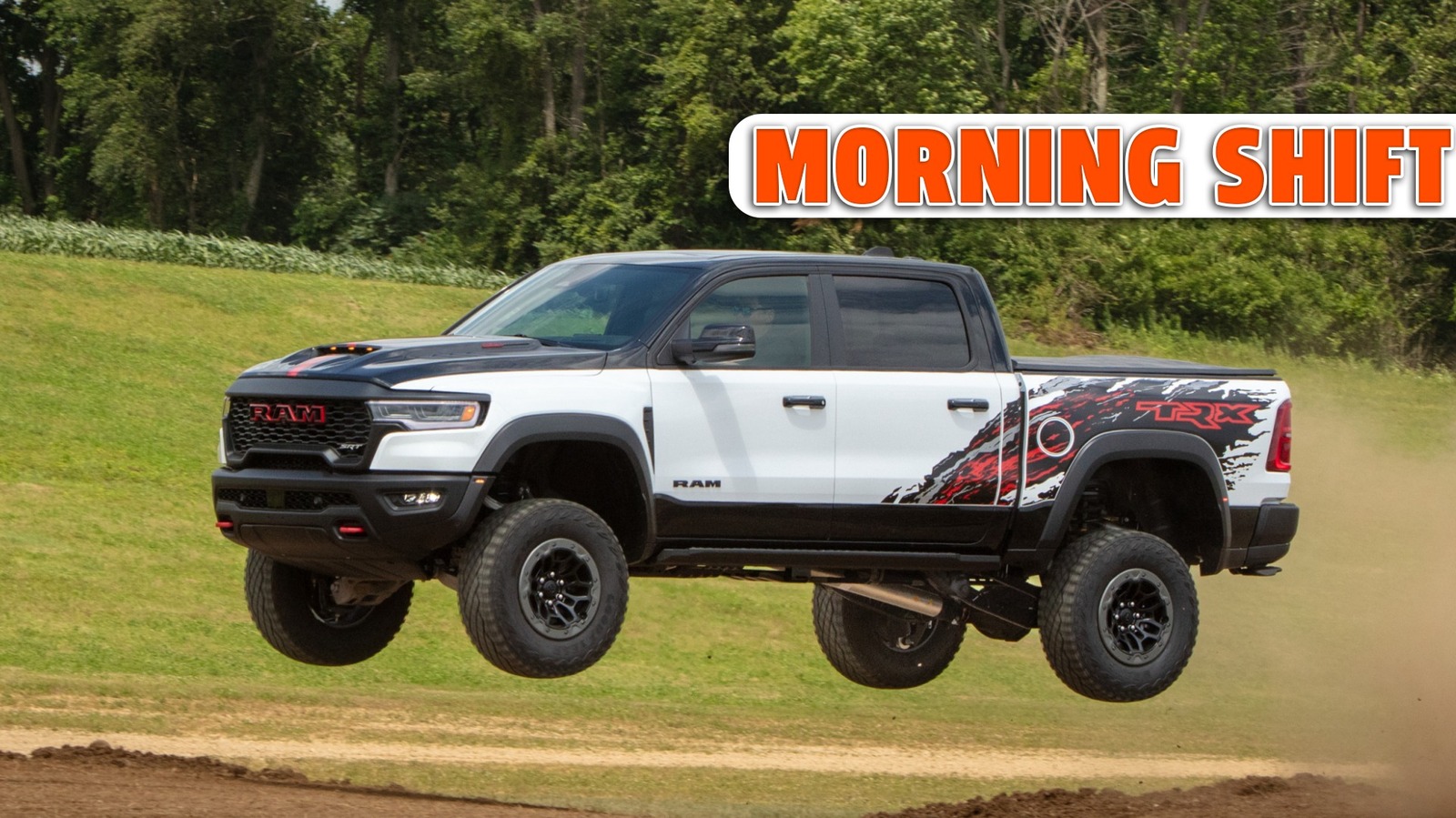
Stellantis' Ram truck division enters 2026 positioned to finally reverse the parent company's brutal seven-year sales decline. The automaker's full-size pickup lineup offers genuine competitive advantages in a market where trucks dominate profit pools. Fresh designs, stronger powertrains, and pricing discipline give Ram realistic odds at stealing share from Ford's F-Series and Chevrolet's Silverado.
Stellantis itself has squandered advantage after advantage since the 2014 Fiat Chrysler merger, stumbling through product missteps, dealer conflict, and execution failures. Ram's recovery matters because the truck segment props up the entire industry. Success here lifts Jeep and Dodge, which also need redemption.
General Motors' China operation faces existential pressure. Sales in the world's largest vehicle market have collapsed, forcing GM to rethink its commitment to a region that once promised 50 percent growth. Competitors like Tesla and BYD have out-maneuvered Detroit's legacy approach. GM's China losses directly impact corporate cash flow and investment capacity.
Scout Motors' direct-sales model triggered legal action from Washington state dealers who argue the startup violates franchise laws. This battle mirrors fights Rivian and other EV manufacturers faced. Traditional dealer networks possess legal and political muscle. Scout's plan to build trucks and SUVs hinges partly on navigating these fights without crippling its launch timeline.
Honda recalled over 325,000 Odyssey minivans for a brake issue. The recall underscores Honda's quality challenges in a segment where reliability built its reputation. The Odyssey remains the category leader, but competitors including Chrysler's Pacifica and Toyota's Sienna press harder as Honda fights perception problems.
These separate stories converge on one truth. The automotive industry's recovery depends on execution at every level. Ram