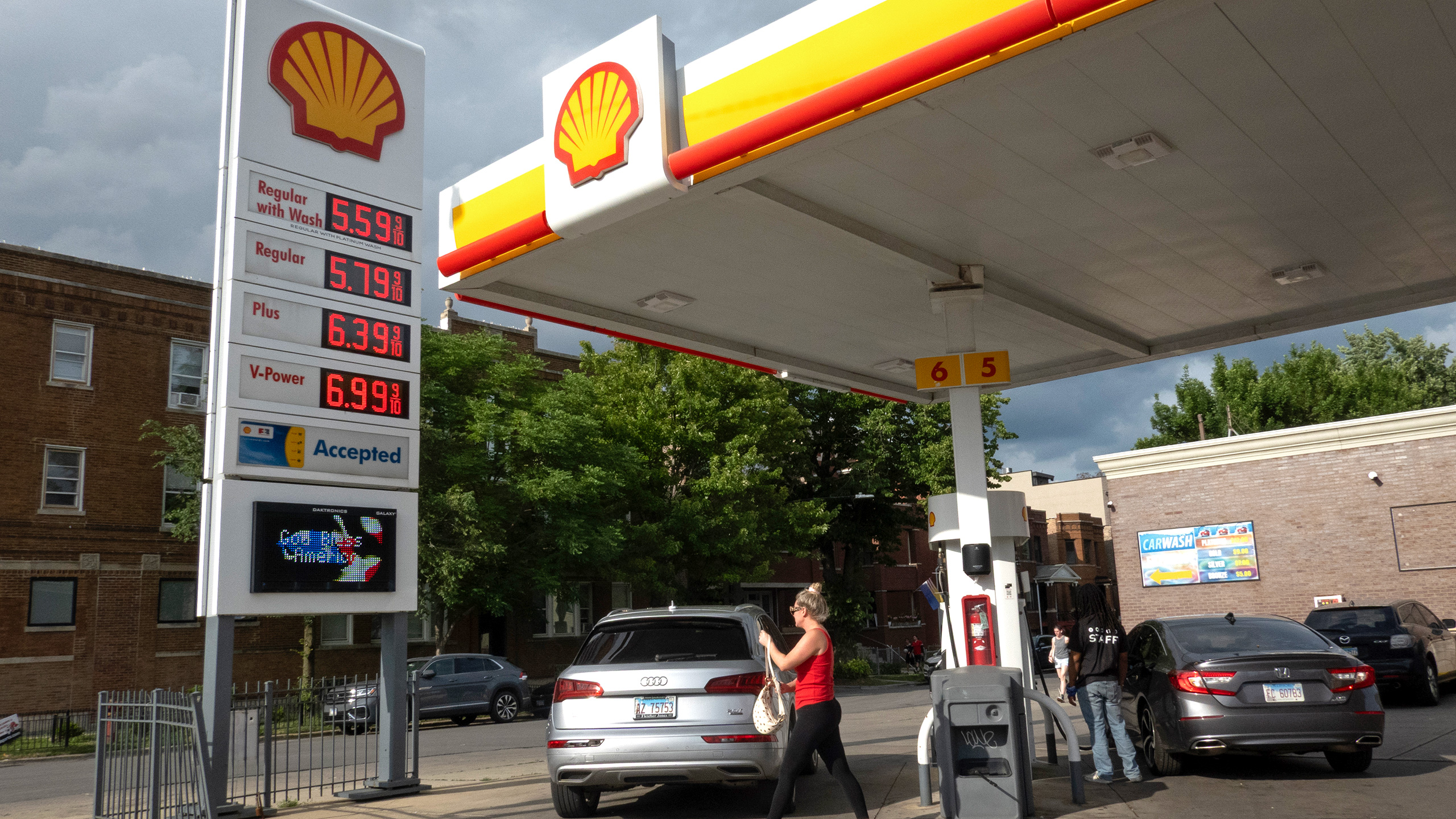
The widening gap between regular and premium gasoline prices is forcing drivers to make dramatic fuel choices. Premium gas sales dropped 5 percent nationwide while regular gasoline purchases jumped 10 percent, according to recent data. Drivers are voting with their wallets as the price differential grows.
This shift reflects the economic pressure on American motorists facing inflationary times. Premium fuel commands a significant premium at the pump, sometimes 30 to 60 cents per gallon more than regular. For drivers of vehicles that don't require premium octane, the choice becomes obvious when prices diverge sharply.
The trend carries implications for fuel retailers and oil refiners. Higher margins on premium fuel mean retailers lose revenue when drivers abandon it for regular grades. Refineries must adjust production volumes accordingly, shifting capacity away from premium production.
For car owners, the decision hinges on engine requirements. Luxury marques and high-performance vehicles specify premium fuel to prevent engine knock and optimize performance. Regular vehicles run fine on regular-grade fuel and suffer no penalty from switching. Drivers of older sedans, compact cars, and standard SUVs face no technical barrier to buying cheaper fuel.
The data also hints at broader market trends. Fewer premium vehicles may be on the road as new car sales shift toward electrification. Luxury brands represent a smaller share of new registrations, meaning fewer engines built to demand premium fuel. Add economic headwinds, and drivers increasingly stretch budgets by downgrading fuel grades where possible.
This behavior carries minimal mechanical risk for vehicles designed around regular fuel. Engine computers adjust ignition timing to accommodate fuel octane levels. Engines built for premium fuel, however, suffer when fed regular gasoline regularly. Knock sensors can only do so much to prevent detonation and long-term damage.
Retailers and refiners must adapt to this consumer behavior. The premium fuel market faces structural headwinds