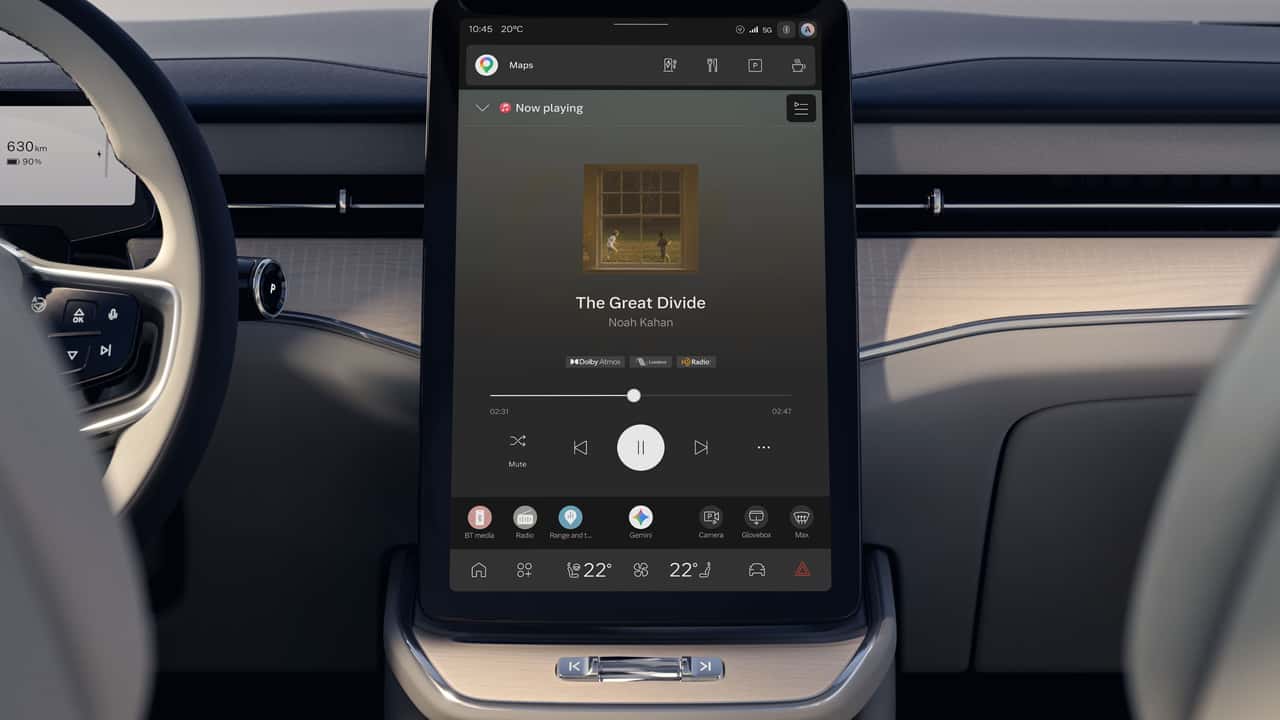
Volvo will integrate native Apple Music support into over two million vehicles globally, eliminating the need for smartphone mirroring and allowing drivers to access the streaming service directly through their infotainment systems. The Swedish automaker bundles up to three months of complimentary Apple Music access with new Volvo purchases to incentivize adoption.
The integration works across Volvo's current lineup and represents a shift toward deeper platform partnerships. Rather than relying on wireless CarPlay or Android Auto, owners can now manage music playback, create playlists, and browse content natively within Volvo's interface. This approach mirrors strategies from Tesla, BMW, and other manufacturers betting that seamless in-vehicle entertainment strengthens brand loyalty.
Apple Music competes directly with Spotify, Amazon Music, and YouTube Music for automotive streaming dominance. The three-month trial period targets drivers who haven't committed to a subscription service, a crucial battleground given that most vehicles now include some form of connected entertainment. For Volvo, the partnership deepens its appeal to tech-forward buyers while generating recurring subscription revenue opportunities that benefit Apple.
The rollout reflects broader industry trends toward proprietary integrations rather than smartphone dependency. Volvo's approach allows the company to reduce reliance on Google's Android Automotive and Apple's iOS, which some manufacturers view as limiting control over user experience. Native apps give Volvo better data collection and the ability to customize features for its audience.
Over two million Volvo vehicles globally already receive regular software updates through the company's cloud infrastructure, making broad deployment of Apple Music technically feasible. The integration likely applies to Volvo's entire current range, from the XC90 SUV to the S90 sedan and recently refreshed XC60.
For Apple, the Volvo partnership expands Music's footprint beyond its ecosystem into thousands of new customer touchpoints annually. As auto