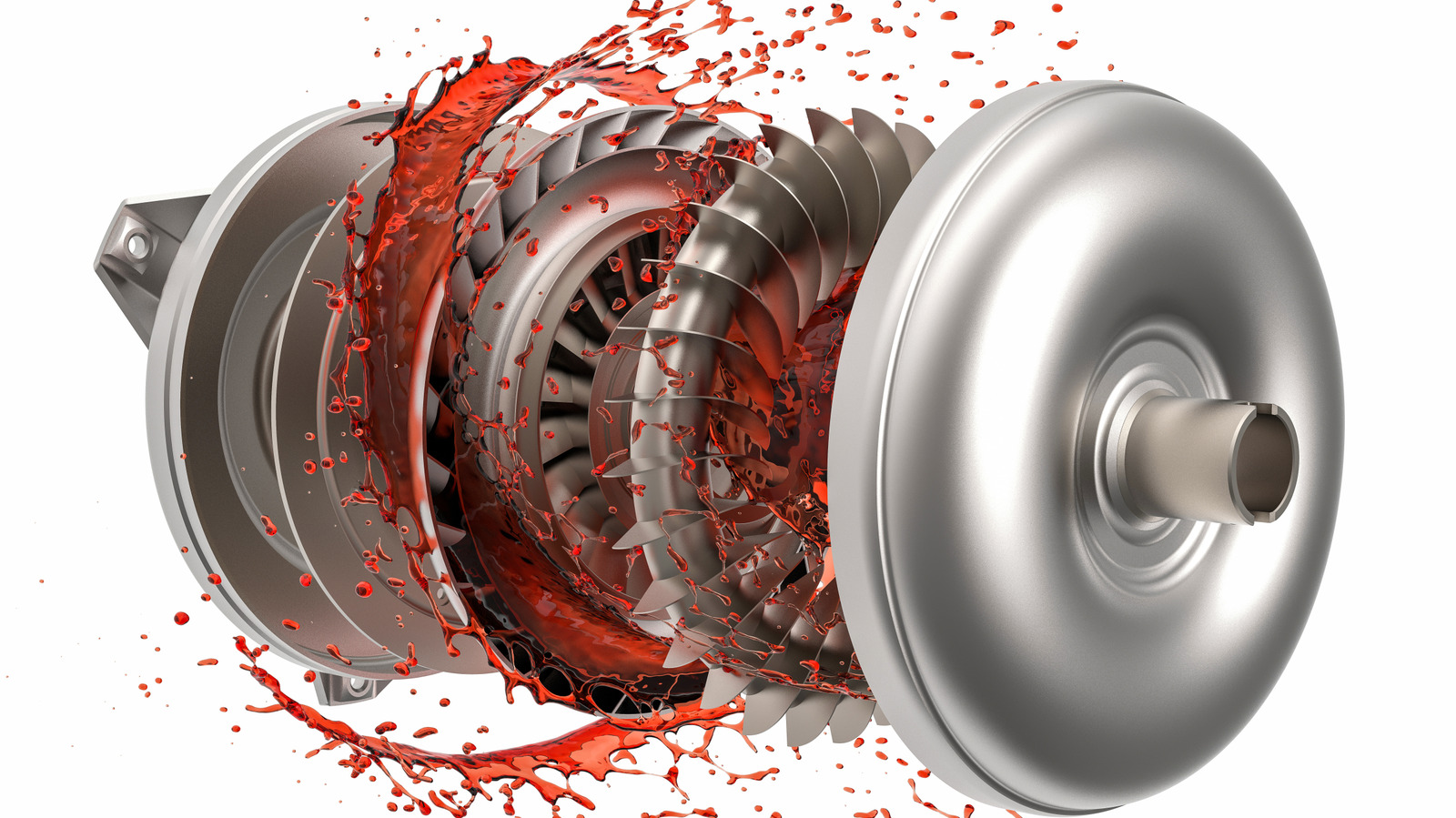
Torque converter shudder manifests as a vibration or shaking sensation that drivers feel through the steering wheel, seat, or pedals during acceleration or cruising. The condition occurs when the torque converter—the fluid coupling that transfers engine power to the transmission in automatic vehicles—fails to lock up smoothly or slips intermittently.
The root causes vary. Contaminated transmission fluid ranks as the most common culprit. Debris, moisture, or degraded fluid reduces the hydraulic pressure needed for the converter to engage properly. Low fluid levels compound the problem by starving the system of lubricant and pressure. A faulty torque converter clutch solenoid can also trigger shudder by preventing proper lock-up timing. Damaged stator components or worn bearings inside the converter itself accelerate the issue further.
Diagnosing shudder requires transmission scanning to identify fault codes. A mechanic may pull codes like P0741, which indicates torque converter clutch problems. Preliminary checks should verify fluid level and condition. Dark, burnt-smelling transmission fluid signals overheating and breakdown.
Fixes depend on severity. Simple cases respond to fresh transmission fluid and filter changes. Many shudder complaints vanish after a complete fluid flush with the correct specification fluid for that vehicle. If the clutch solenoid tests faulty, replacement typically costs between 150 to 500 dollars depending on the vehicle. More severe internal converter damage demands full converter replacement, which runs 800 to 2000 dollars plus labor.
Preventive maintenance stops shudder before it starts. Follow the manufacturer's recommended transmission service intervals. Some builders specify 30,000 to 60,000-mile fluid changes. Towing heavy loads or driving in stop-and-go traffic accelerates fluid degradation and increases converter stress.
Ignoring shudder leads