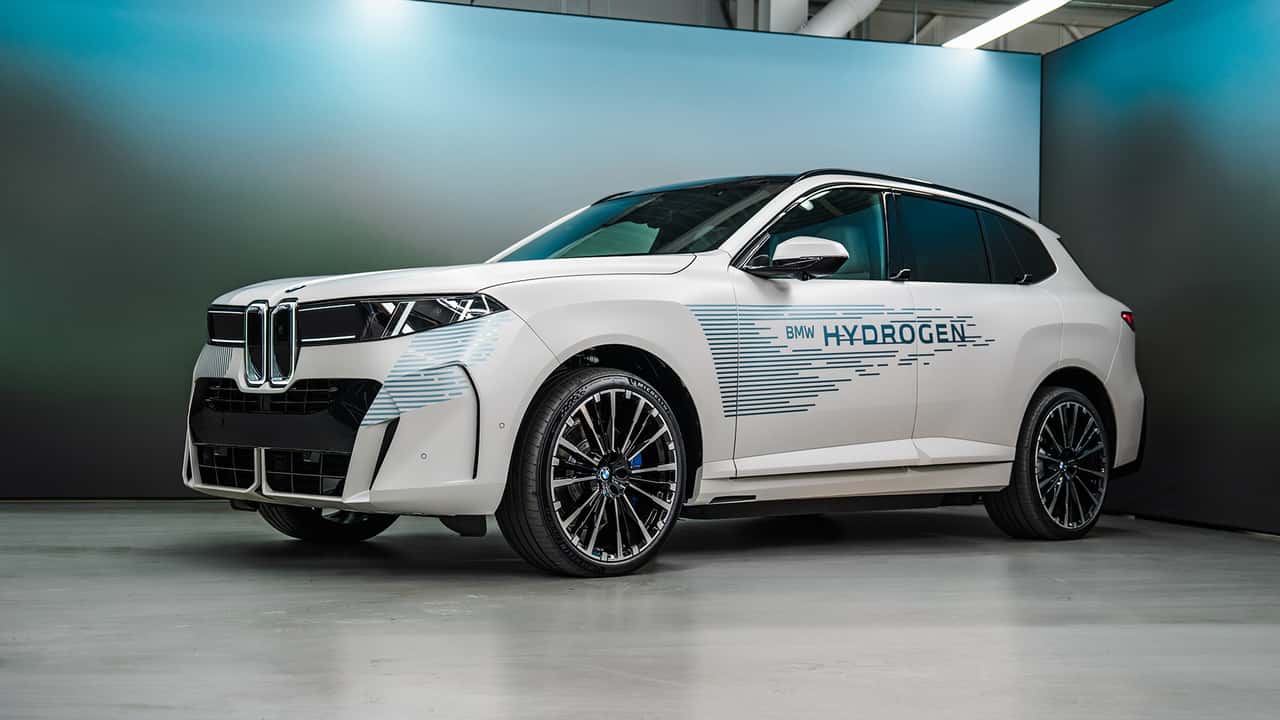
BMW remains committed to hydrogen fuel-cell technology with its new X5 hydrogen prototype, bucking industry skepticism after decades of underwhelming market adoption. The automaker believes hydrogen offers a viable alternative to battery electrics for certain buyers, particularly those prioritizing long driving range and quick refueling.
The X5 hydrogen concept addresses genuine pain points in EV ownership. A full tank delivers roughly 500 kilometers of range, comparable to many gas SUVs. Refueling takes just three to five minutes, a stark contrast to the 30 minutes or longer required for DC fast charging on EVs. For fleet operators and buyers in regions with developing hydrogen infrastructure, this represents tangible value.
BMW's persistence reflects broader industry dynamics. While Tesla and legacy automakers pour resources into battery electrics, hydrogen remains the only zero-emission technology matching conventional refueling convenience. Toyota championed this path with the Mirai sedan, and Hyundai backed the Nexo SUV. Neither achieved mass-market success, but neither pulled funding either.
The real obstacle remains hydrogen infrastructure. Only a handful of public stations operate in the U.S., concentrated in California. Europe has more, particularly in Germany and Scandinavia, but growth stalled. Automakers struggle to justify large production runs without fueling networks. Governments struggle to justify networks without sufficient vehicle demand. This chicken-and-egg problem has stymied hydrogen adoption for two decades.
BMW targets niche segments where hydrogen economics work. Long-distance fleet vehicles, corporate transport, and performance-focused luxury buyers tolerate infrastructure limitations if the driving experience and range justify the price premium. The X5 hydrogen prototype suggests BMW views hydrogen not as the EV killer, but as a complementary technology serving specific use cases.
The automaker won't abandon battery electrics. Recent BMW EVs like the iX and i7 sedan