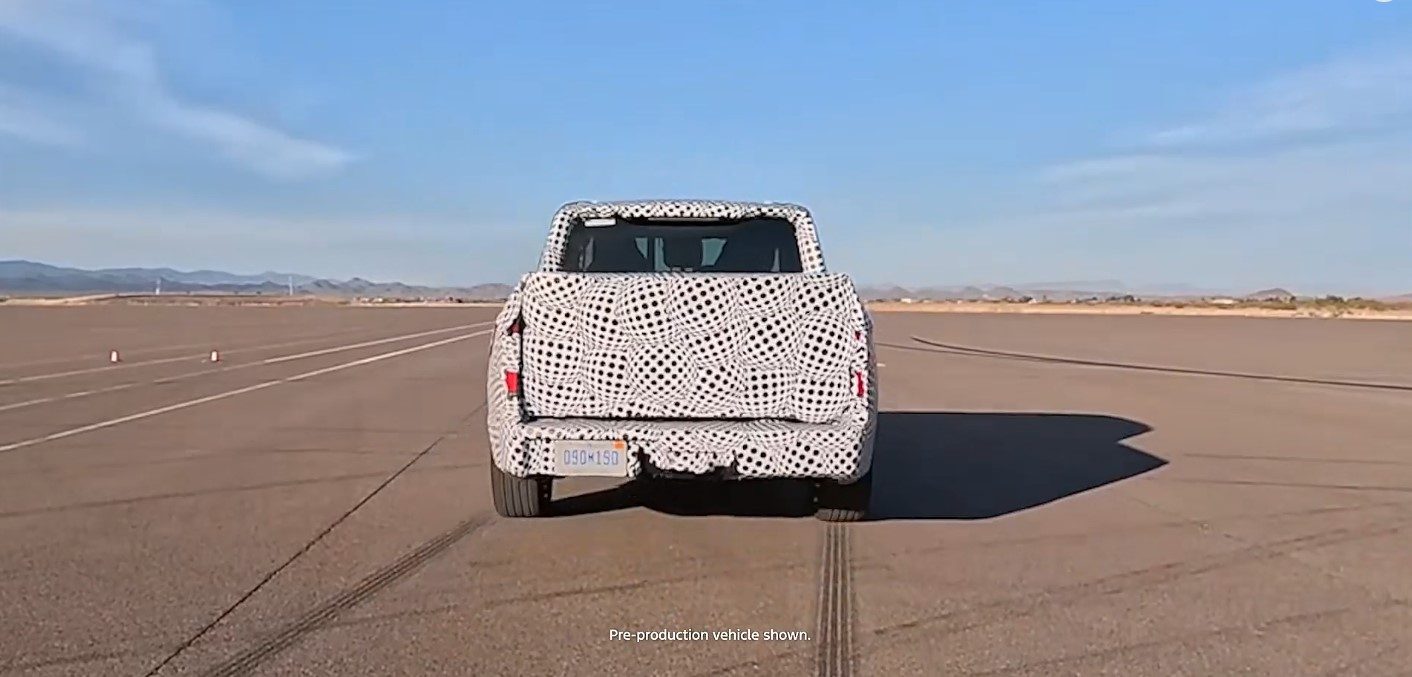
Ford is reframing its upcoming $30,000 electric pickup truck, now openly calling it a "small" rather than "midsize" vehicle. The company's first acknowledgment of the truck's actual dimensions comes as the model approaches its 2027 launch.
The EV pickup uses Ford's UEV platform, engineered specifically for affordable electric vehicles. This is a significant shift in messaging. Ford initially positioned the truck as a midsize competitor to gas-powered pickups, but real-world dimensions reveal a substantially smaller footprint. The company's candid reclassification signals it recognizes market expectations and wants to reset them before customer deliveries begin.
The $30,000 price point remains the central appeal. Ford targets cost-conscious buyers and fleet operators who need electric capability without premium pricing. A smaller truck actually delivers advantages here. Less battery capacity means lower costs and faster charging. The compact design suits urban and suburban use cases better than full-size alternatives.
This matters because the EV pickup market remains unsettled. Tesla's Cybertruck arrives with futuristic styling but premium pricing. Chevy's Silverado EV and GMC Sierra EV target traditional truck buyers with familiar proportions. Ford's small approach offers a different strategy. It avoids direct confrontation with established segments and targets buyers who prioritize affordability and efficiency over towing capacity and bed length.
The UEV platform supports multiple body styles, giving Ford flexibility to spawn additional affordable EVs from the same architecture. The small pickup serves as the platform's flagship, but sedans and crossovers could follow at similarly accessible price points.
Ford's honesty about the truck's scale also reflects manufacturing reality. Smaller vehicles consume fewer materials and require less battery chemistry. Production complexity drops, which helps Ford meet aggressive pricing targets while protecting margins. The company learned that overselling dimensions damages credibility more than being