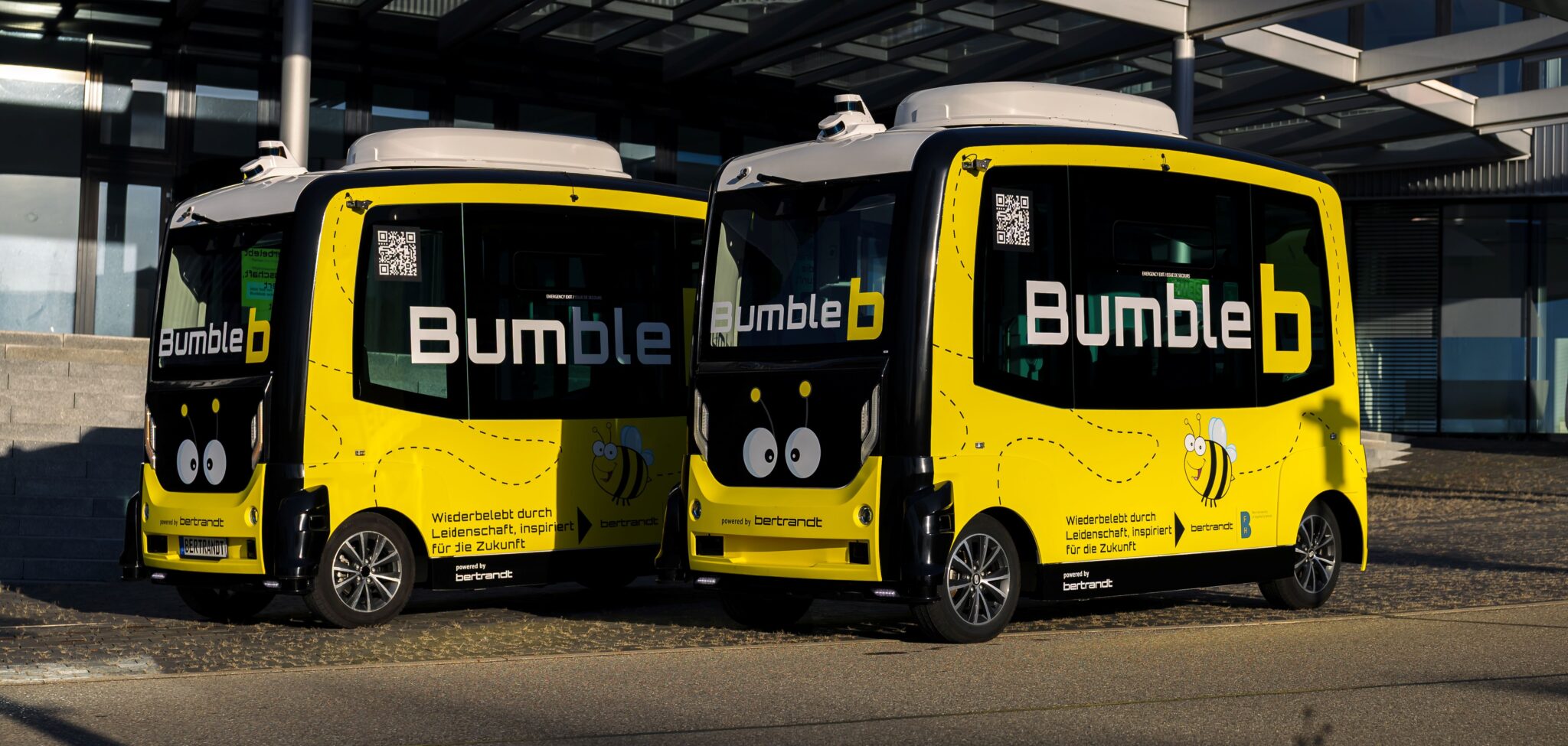
Germany is pursuing an aggressive industrialization strategy for autonomous vehicles, targeting 10,000 units operating on public roads by 2030. The push arrives as Waymo and Uber actively deploy robotaxi services in Munich, testing competing commercial models in the same market.
The German approach differs fundamentally from Silicon Valley's robotaxi focus. Berlin backs public transport automation, emphasizing integrated systems for buses and shared mobility rather than point-to-point ride-hailing. This reflects deeper policy priorities around urban planning and fleet efficiency.
Waymo operates one of the world's most mature autonomous ride-hailing networks, currently active in Phoenix, San Francisco, and Los Angeles. Uber's driverless ambitions rely on partnerships with autonomous technology providers like Waymo itself and Aurora. Both companies view Munich as a strategic European test market given its tech infrastructure and regulatory openness.
Germany's 10,000-vehicle target addresses labor shortages in public transit while reducing operating costs. The country's automotive industry sees autonomous buses and shuttle services as a bridge technology that builds public acceptance before broader autonomous adoption. German manufacturers including Daimler and MAN have invested heavily in autonomous bus development.
The regulatory landscape matters here. Germany permits autonomous vehicle testing under strict conditions, and Berlin has signaled willingness to create legal frameworks for fleet operation. The country's federal transport authority is working with regional governments to coordinate testing and deployment zones.
Competition between models is real. Robotaxis prioritize rapid revenue generation and urban coverage. Public transit automation moves slower but targets sustainable, integrated systems serving broader populations. Germany bets that public confidence builds faster when citizens experience autonomous technology in familiar transit contexts rather than as paid ride services.
Munich's dual role as both Waymo-Uber testing ground and German autonomous public transport hub creates natural comparison data. Regulators can observe what works, what fails, and what drivers actually use. By