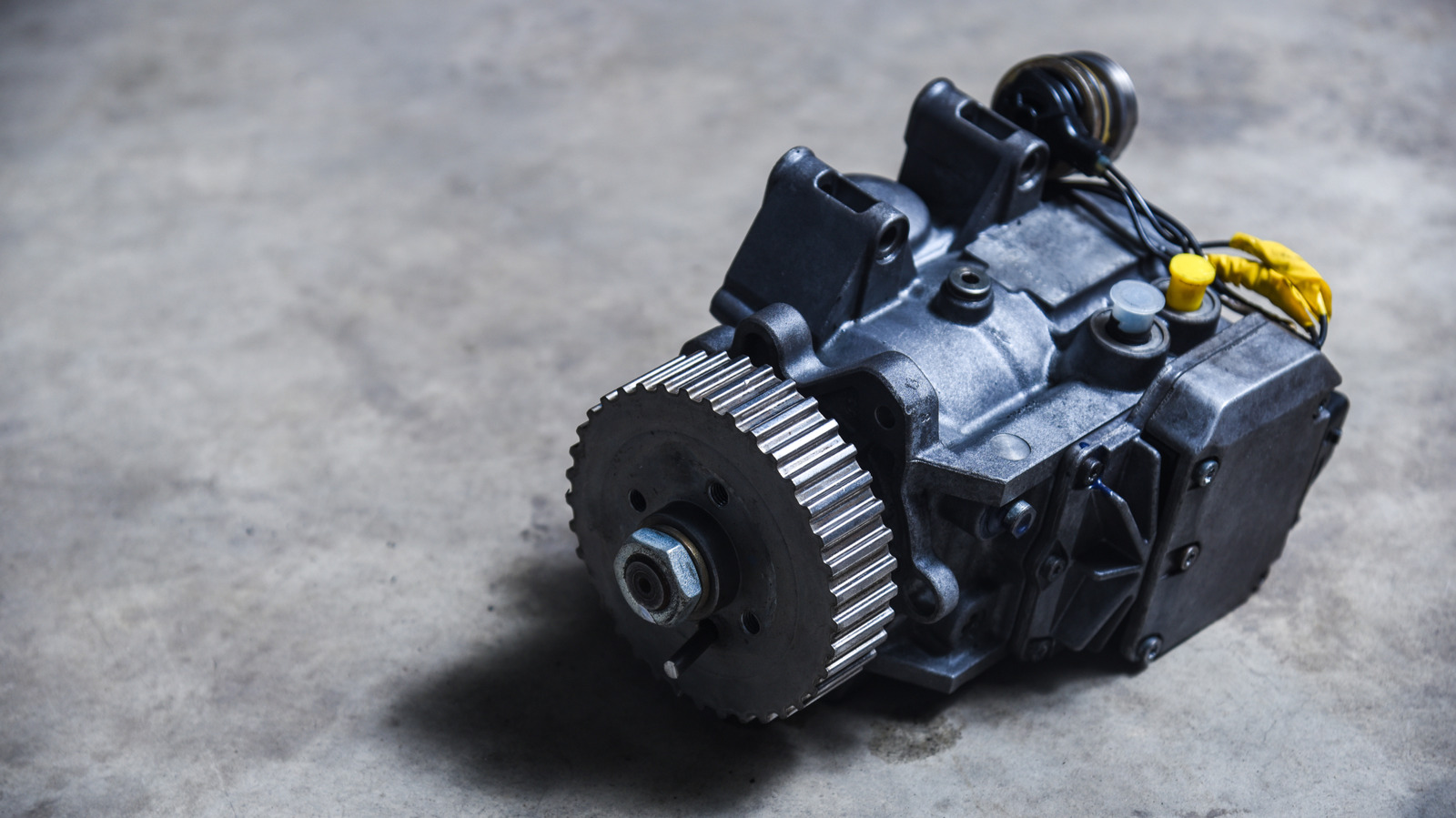
A failing fuel pump creates specific warning signs that drivers should recognize before the component fails entirely. Most fuel pumps operate reliably for 100,000 to 200,000 miles, but once degradation begins, replacement becomes the only practical fix.
Early indicators include whining or buzzing noises from the fuel tank, often most noticeable during acceleration or when the engine starts. A weak or sputtering engine that hesitates during acceleration points to inadequate fuel delivery. Some vehicles exhibit a loss of power under load or during highway merging, symptoms that worsen progressively as pump pressure drops.
Fuel smell near the tank area signals potential internal leakage within the pump assembly. Difficulty starting, especially after the car sits overnight, suggests the pump loses prime or fails to build sufficient pressure on initial startup. In severe cases, the engine stalls while driving, creating a dangerous situation that requires immediate diagnosis.
Rising fuel prices make pump replacement costly, typically running $400 to $800 at dealerships depending on vehicle make and model. Many drivers attempt aftermarket or rebuilt pumps to cut costs, though quality varies considerably. OEM pumps carry higher price tags but deliver consistent reliability.
Regular fuel filter changes help extend pump lifespan by removing contaminants that accelerate wear. Running fuel below one-quarter tank level stresses pumps by reducing cooling flow, so keeping tanks adequately filled supports longevity. Poor fuel quality from discount stations introduces particles that damage pump internals.
Once a pump exhibits clear failure signs, driving with a degraded component risks being stranded on highways or in unsafe situations. Some warning signs develop gradually over weeks, while others emerge suddenly. Diagnosis requires fuel pressure testing at the rail, not guesswork, since symptoms overlap with fuel filter clogs or injector problems.