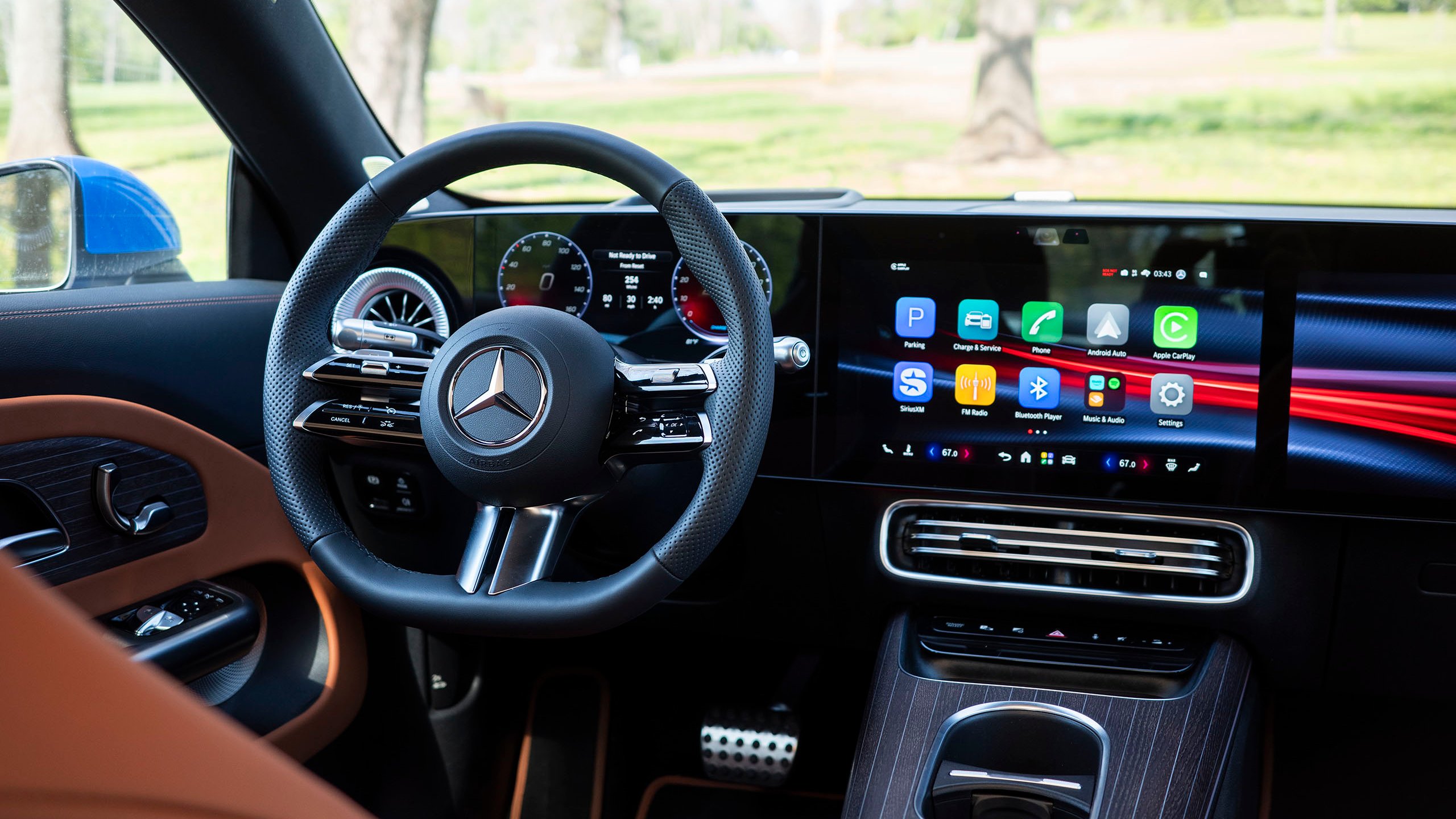
The European Union now mandates driver-monitoring systems in all new cars, a regulation that reflects a broader shift toward occupant surveillance technology in vehicles. These in-car camera systems track driver behavior, detecting fatigue, distraction, and impairment to prevent accidents and comply with EU safety standards.
The requirement stems from the EU's General Safety Regulation, which took effect for new vehicle models this year. Automakers including Volkswagen, BMW, Mercedes-Benz, and others have begun integrating these systems as standard equipment. The cameras monitor eye movement, head position, and gaze direction to identify when drivers require intervention or warnings.
The technology addresses a legitimate safety concern. Drowsy driving and inattention cause thousands of crashes annually across Europe and North America. Systems that detect these conditions offer genuine accident prevention benefits, particularly on long motorway drives where fatigue poses serious risks.
However, privacy advocates raise legitimate concerns about constant surveillance inside personal vehicles. Data collection practices remain murky. Questions persist about where footage goes, how long it's retained, who accesses it, and whether insurers or law enforcement can obtain recordings without consent. The EU has privacy regulations in place, but enforcement gaps exist.
The United States watches these developments closely. The National Highway Traffic Safety Administration and Insurance Institute for Highway Safety have studied driver-monitoring technology extensively. American regulators appear poised to follow Europe's lead, though formal mandates haven't materialized yet. Insurance companies already incentivize adoption through premium discounts on vehicles equipped with these systems.
Manufacturers view the technology as cost-effective insurance against liability. Once Europe requires it, scaling production for the US market becomes economically logical. Expect most major automakers to offer these systems globally within the next few years, whether regulators mandate them or not.
The privacy debate will intensify as adoption spreads. Drivers must understand what data their vehicles collect and demand transparency