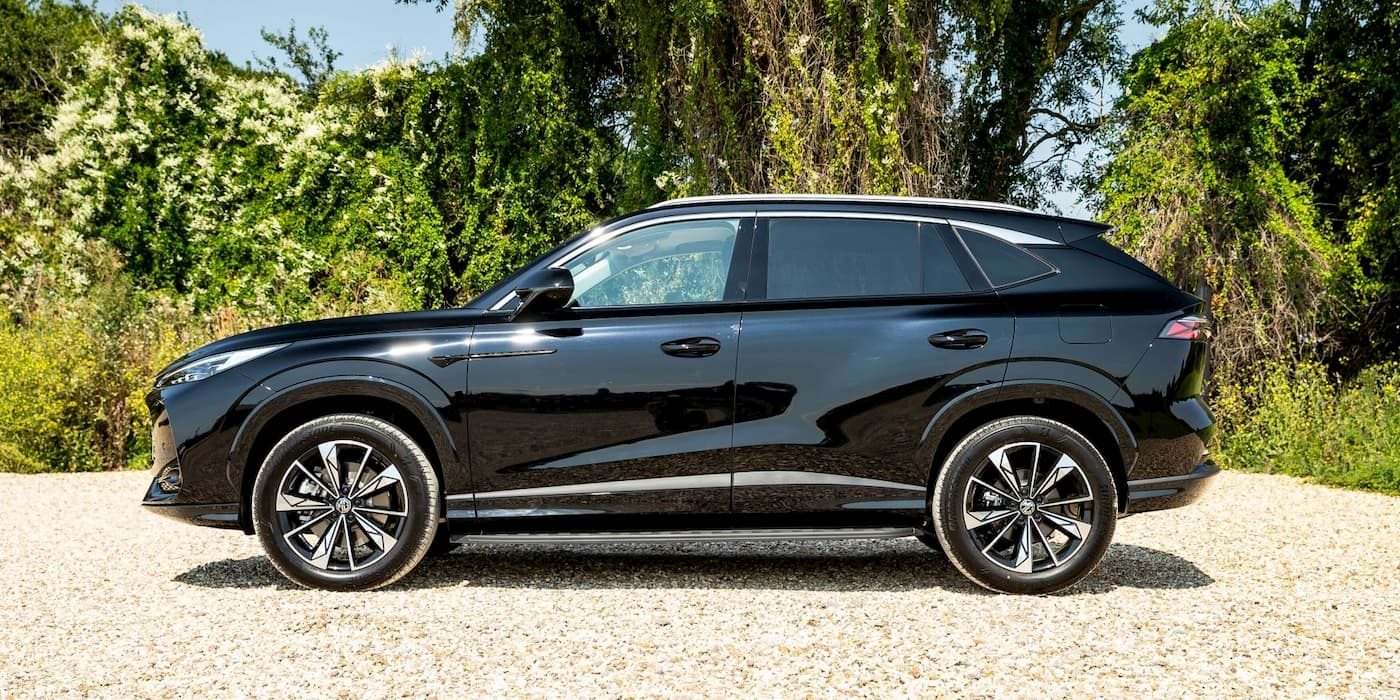
MG plans to introduce semi-solid-state battery technology into its plug-in hybrid lineup, starting with the ZS PHEV in 2027. The Chinese automaker will launch three new PHEV SUVs featuring the advanced battery architecture, marking the first time semi-solid-state cells appear in plug-in hybrids rather than purely electric vehicles.
Semi-solid-state batteries represent a technical step between conventional lithium-ion packs and fully solid-state designs. They replace the liquid electrolyte with a solid material, improving energy density, thermal stability, and longevity. For PHEVs, this translates to longer electric-only range, faster charging, and extended battery life without the weight penalties of traditional cells.
The ZS PHEV will be MG's entry point into this technology. The ZS nameplate already exists as a compact SUV globally, so the PHEV variant will likely maintain that footprint while adding plug-in capability and the new battery pack. MG has not disclosed specific range targets or power outputs for the 2027 model.
This move reflects broader industry consolidation around semi-solid technology. CATL, MG's parent company's battery supplier, has been developing semi-solid packs for years. Samsung, Toyota, and other OEMs are pursuing similar timelines. MG's strategy differs because it applies the tech to PHEVs first, where the complexity and cost remain lower than full battery-electric vehicles.
PHEVs occupy an awkward middle ground in the industry. Traditional automakers defend them as transition vehicles; pure EV advocates criticize them as half measures. Yet they remain popular in markets like China, where charging infrastructure remains inconsistent. Adding semi-solid batteries makes PHEVs more compelling by extending electric range and reducing overall battery weight.
MG faces competition from BYD,