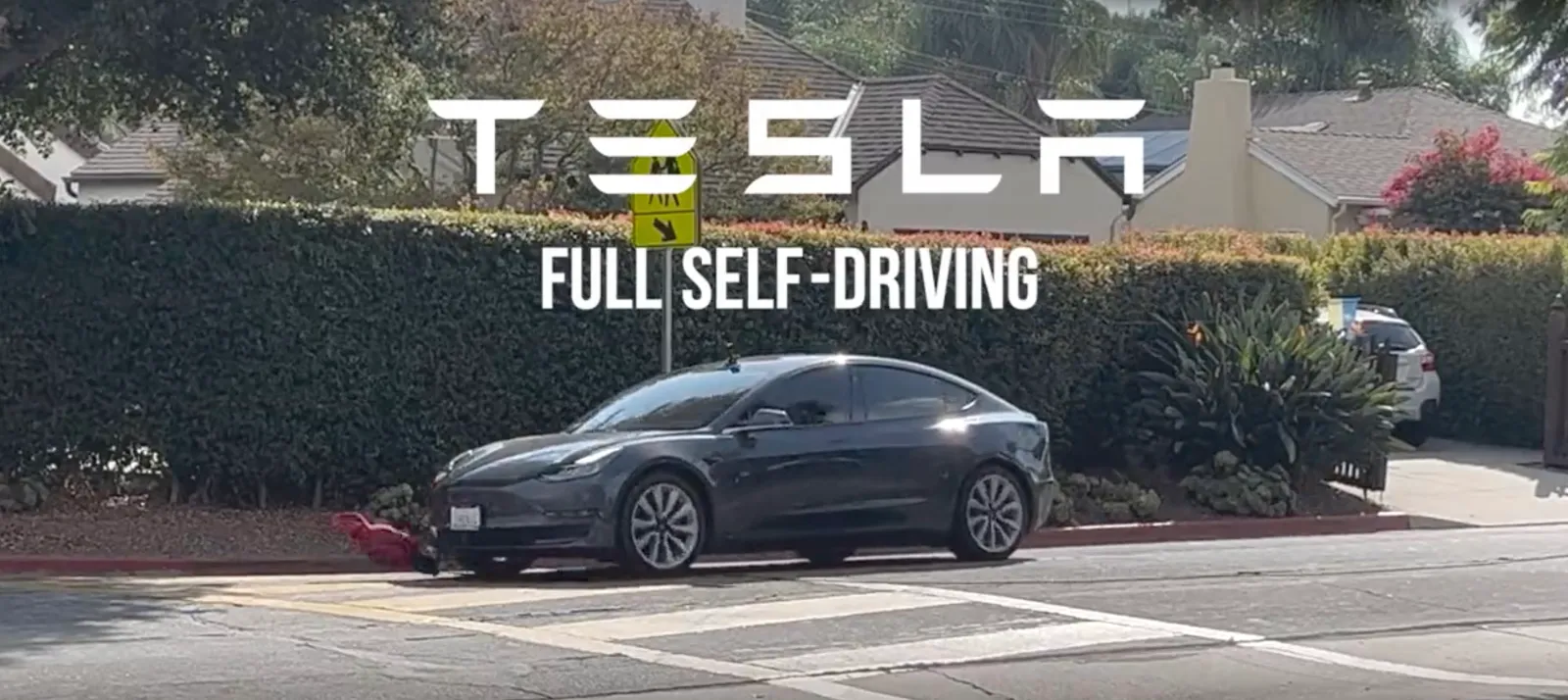
New Jersey lawmakers are advancing legislation that would effectively block Tesla's camera-only Robotaxi from operating in the state by mandating redundant sensor systems. The bill, S1677, requires driverless commercial vehicles to carry cameras plus two additional sensor types. Tesla's autonomous fleet relies exclusively on cameras and neural networks, making compliance impossible without a hardware overhaul.
The law targets Waymo's approach, which uses cameras paired with radar and lidar. Waymo already operates in multiple US markets with this sensor stack. The legislation would force Tesla to adopt the redundant architecture Elon Musk has publicly rejected for years, arguing that humans drive with two eyes and that lidar adds unnecessary cost and complexity.
New Jersey's move represents the first state-level attempt to legislatively mandate sensor redundancy for autonomous vehicles. The timing matters. Tesla's Robotaxi ambitions depend on scaling across densely populated regions where New Jersey sits critical to the Northeast corridor. Locking Tesla out while allowing Waymo access creates a competitive advantage for Alphabet's robotics subsidiary and validates rival sensor philosophies.
This reflects broader skepticism about Tesla's vision-only approach. The National Transportation Safety Board and insurance industry analysts have questioned whether camera-only systems provide adequate safety redundancy. Regulators worry that software-only failsafes cannot match hardware redundancy during edge cases involving heavy rain, snow, or sensor dirt accumulation.
Tesla has pushed back hard against sensor requirements, framing them as overengineered. But regulatory bodies increasingly view Tesla's stubbornness as a liability rather than innovation. New Jersey's bill tests whether states will impose hardware mandates that override manufacturer preferences.
If S1677 passes and survives legal challenge, other states may follow. That scenario forces Tesla into an uncomfortable choice: redesign the Robotaxi platform to include lidar and radar, or concede major