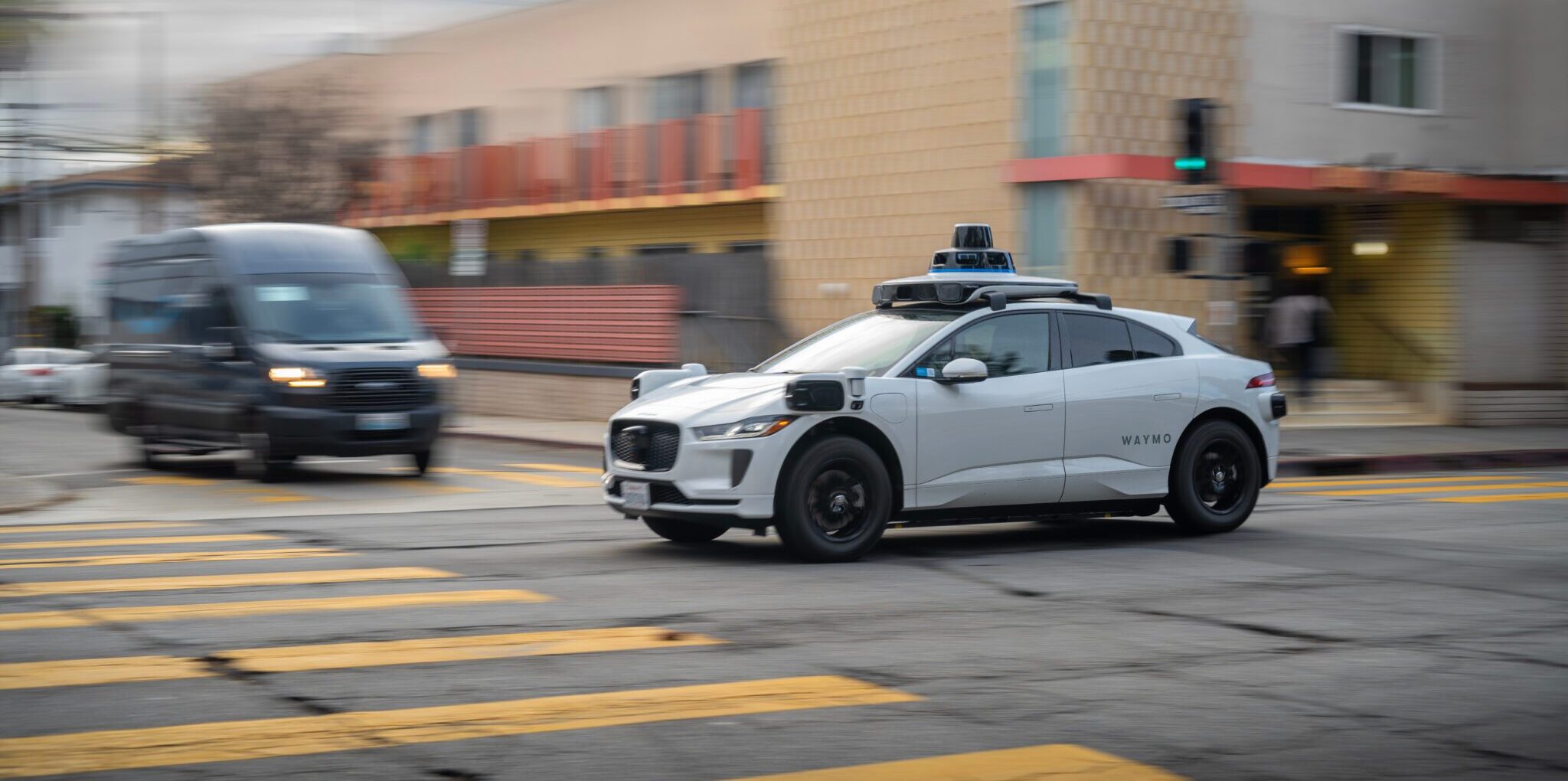
The National Highway Traffic Safety Administration has given autonomous vehicle operators one month to resolve critical safety failures involving first-responder interactions. The agency's directive stems from documented incidents with Waymo vehicles that exposed dangerous gaps in how self-driving cars communicate with police, firefighters, and emergency medical personnel.
The core issue centers on autonomous vehicles failing to yield properly to emergency vehicles or respond appropriately to first-responder commands and signals. These failures create genuine roadway hazards. First responders arrive at accident scenes expecting predictable vehicle behavior. Autonomous systems that ignore or misinterpret emergency protocols put lives at risk and hamper emergency response operations.
Waymo has faced multiple documented cases where its vehicles either blocked emergency lanes, failed to move out of emergency vehicle paths, or exhibited erratic behavior during police interactions. These incidents prompted NHTSA to act decisively. The one-month deadline applies industry-wide, not just to Waymo, establishing a minimum performance standard all AV operators must meet.
The mandate appears counterintuitive given NHTSA's simultaneous relaxation of other autonomous vehicle equipment requirements. The agency has loosened certain hardware and sensor regulations to facilitate AV deployment. This selective approach reflects a nuanced regulatory stance. NHTSA prioritizes safety outcomes over prescriptive equipment rules, but draws a hard line when human safety is compromised by operational failures.
First-responder integration represents a real-world complexity that test tracks and simulation cannot fully capture. Emergency personnel cannot reliably predict or control autonomous vehicle behavior in high-stress situations. This unpredictability undermines emergency response effectiveness and creates liability concerns for both AV companies and municipalities deploying them.
The fixes likely involve enhanced communication protocols, improved sensor recognition of emergency vehicle markings and lights, and explicit programming for first-responder interaction scenarios. AV operators must integrate two-way communication systems that allow emergency personnel to override