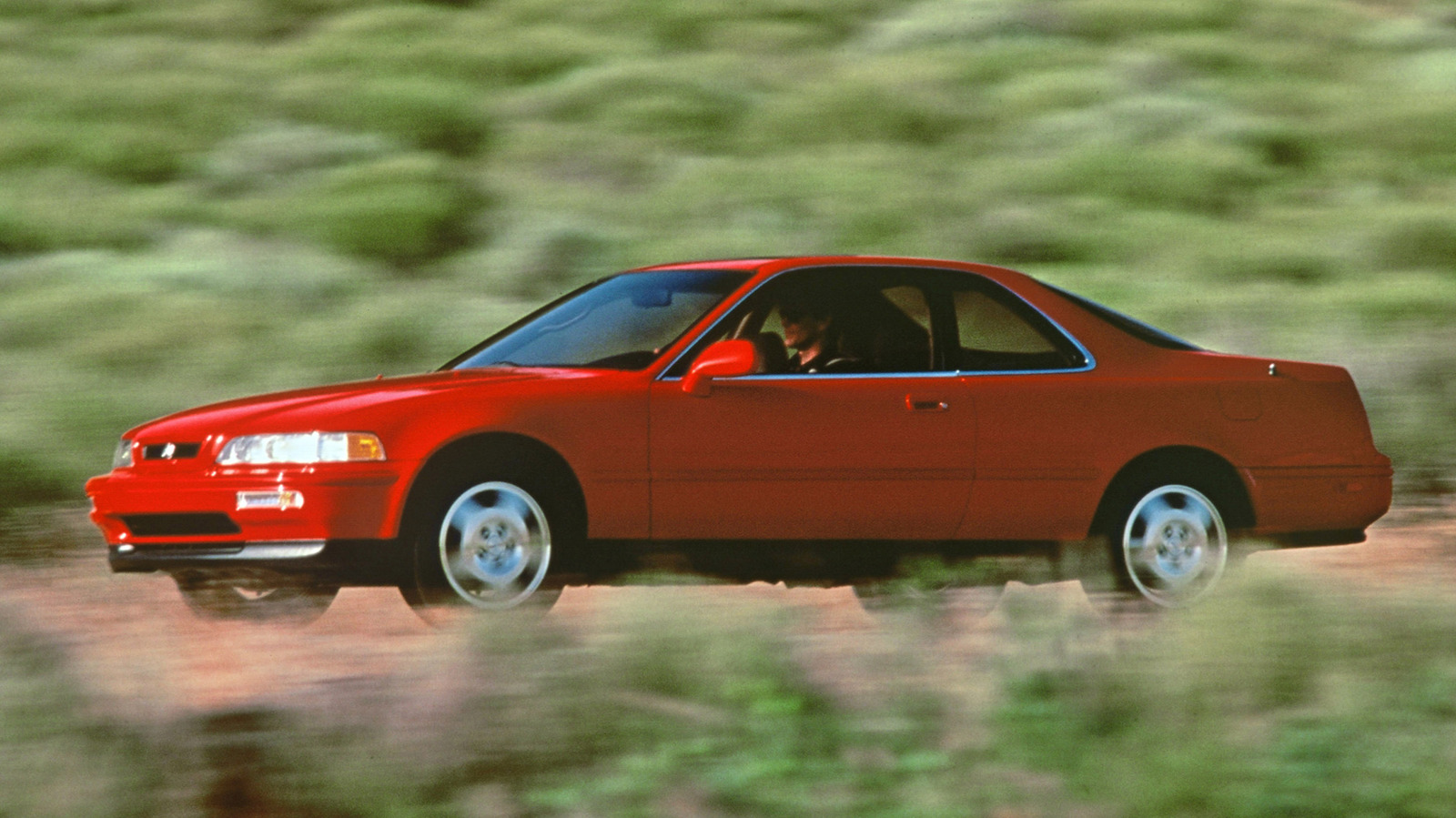
# What Car Design Did You Once Hate But Now Love?
Automotive tastes shift. What looked awkward or polarizing five years ago often ages beautifully, and what seemed cutting-edge yesterday can feel dated tomorrow. The automotive design world operates on cycles, and perspective reshapes how we evaluate proportions, stance, and styling details.
The Jalopnik piece explores this phenomenon through reader experiences. Designers know this pattern well. They operate with conviction, knowing some concepts will face initial rejection. The Nissan Juke landed to skepticism when launched in 2010 with its tall, quirky proportions and unusual grille. Today, that same boldness defines the current crossover market. Subaru's SVX faced criticism for its rounded, bubble-top design in the 1990s. Modern cars like the Subaru Solterra now embrace similar curves as premium design language.
Other examples emerge consistently. The BMW i8's wedge profile and low-slung hybrid supercar stance seemed overwrought. Time reveals it as genuinely beautiful. The original Mini Cooper S hardtop roof appeared cramped and awkward until we realized it created visual drama. Even the Pontiac Aztek, widely mocked, now generates genuine appreciation for its willingness to break convention.
This shift reflects how familiarity breeds acceptance. Repeated exposure normalizes unusual proportions. A car's presence on roads for years softens initial resistance. Nostalgia plays a role too. Designs from our formative driving years gain emotional weight regardless of objective merit.
Manufacturers now embrace this knowledge. Design risk carries rewards. Electric vehicles push proportions further, stretching wheelbases and reducing overhangs. Those shapes feel strange now but will feel natural in five years.
The lesson for car enthusiasts: hold design opinions lightly. Your harsh initial reaction to the next