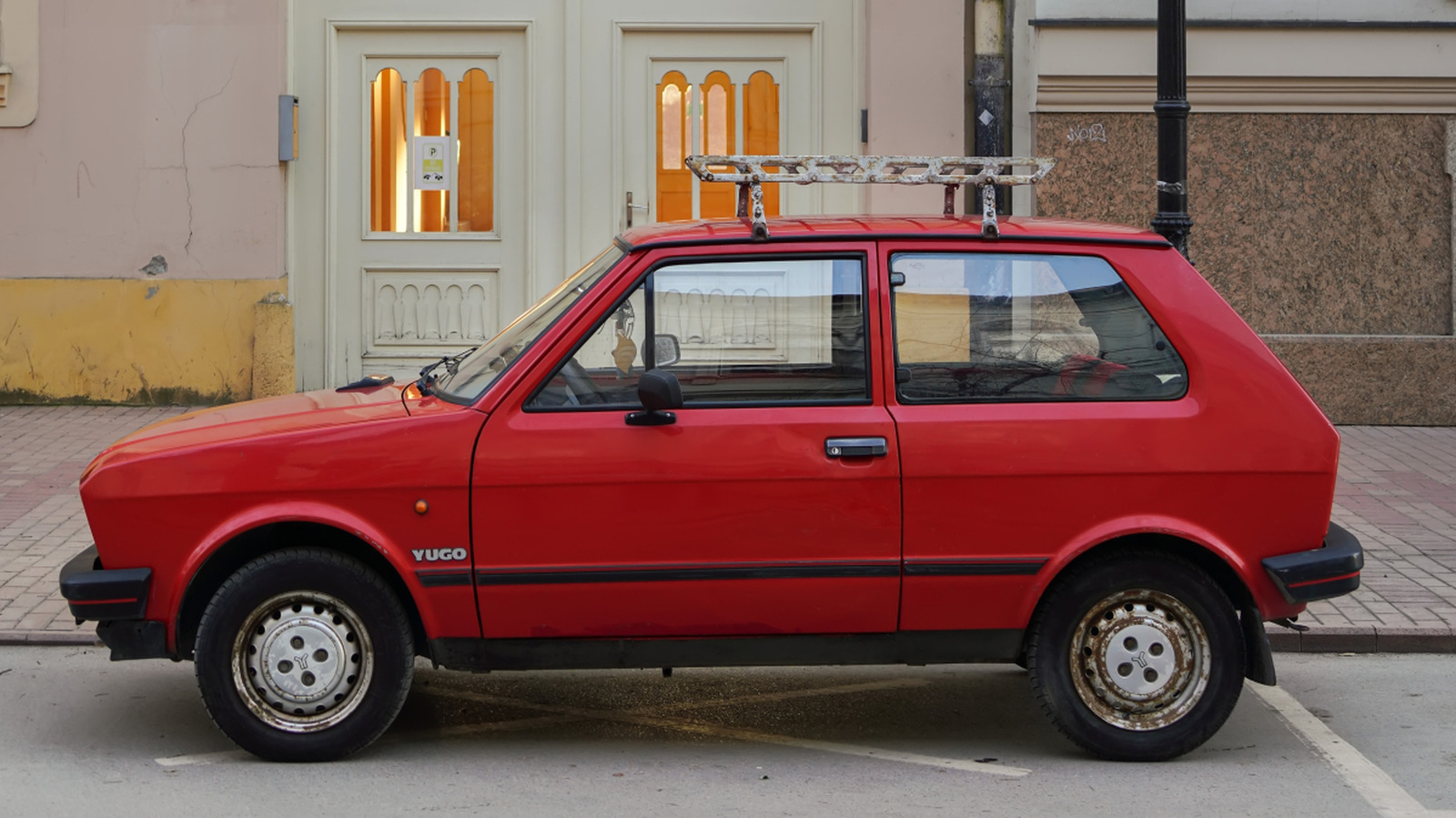
Malcolm Bricklin's Yugo arrived in America as a budget revolution, priced to demolish the entry-level market. The Yugoslav-built compact car sold in massive numbers initially, moving hundreds of thousands of units through American dealerships. Today, Yugos have nearly vanished from roads and collector lots alike.
The Yugo's collapse stems from brutal reliability problems. The cars suffered from premature rust, engine failures, and electrical gremlins that quickly earned them a reputation for poor quality. Owners faced constant repair bills that erased any savings from the car's bargain-basement price tag. Word spread fast in the pre-internet era through personal networks and automotive publications, decimating buyer confidence.
Timing amplified the damage. The Yugo launched in 1985 just as Japanese manufacturers were establishing credibility in the American market. Honda Civic and Toyota Corolla buyers paid more upfront but kept their cars running reliably for 200,000 miles. Yugo buyers watched their purchase deteriorate by month two.
Import complications worsened matters. Trade tensions and tariffs made the Yugo's supply chain unstable. Parts availability became inconsistent. By the early 1990s, Bricklin's operation collapsed entirely, leaving owners stranded with increasingly worthless vehicles.
The Yugo's disappearance reflects a harsh automotive truth: price alone cannot sustain a brand. Consumers will pay more for dependability. The market punishes shortcuts with brutal finality. Today's rare surviving Yugos fetch modest prices at auctions, mostly as curiosities rather than usable transportation. Some enthusiasts preserve them as monuments to an ambitious import that fundamentally underestimated what American drivers demanded from their cars. The Yugo remains a textbook case of how quickly a high-volume success can evaporate when quality fails to match marketing promises.