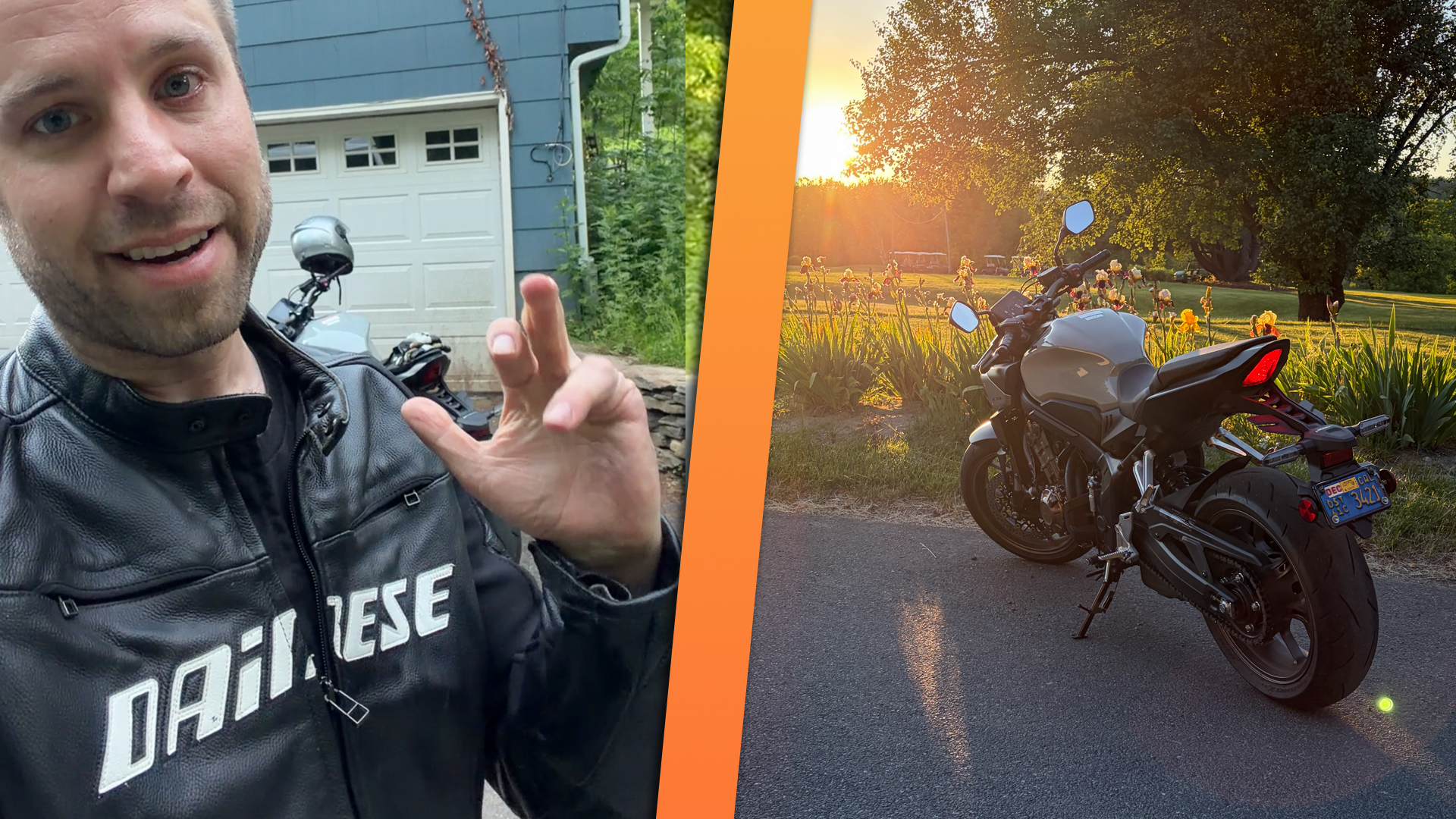
Honda's E-Clutch brings riders back to motorcycles by removing one of riding's biggest physical demands. The system electronically controls the clutch, eliminating the need for manual lever operation while preserving traditional manual shifting through the foot shifter.
For riders with hand, arm, or grip strength limitations, this technology opens doors. A serious hand injury that sidelined a rider completely? The E-Clutch makes motorcycling accessible again. That's not a minor feature in an aging rider demographic where arthritis, injury recovery, and reduced grip strength are real obstacles.
Honda designed this for its middleweight and larger bikes. The rider still selects gears with the foot shifter, maintaining the mechanical connection to the machine that manual transmission enthusiasts crave. The electronics simply handle the clutch engagement and disengagement, smoothing shifts and eliminating stalled engines.
The brilliance here sits in restraint. Honda didn't turn motorcycles into automatics. Riders get the soul and control of manual shifting without the hand fatigue or physical torque required by hydraulic clutch levers. For someone returning to riding after injury, this beats automatics by miles because the riding experience stays authentic.
This taps into a growing market reality. Motorcycling's core audience ages. Dealers watch younger buyers decline while older riders represent growth. Technology like E-Clutch doesn't compromise the sport for purists. It expands access to people who love riding but face legitimate physical constraints.
Competitors offer automatics and CVTs, but those satisfy different riders. BMW and other European builders target comfort touring. Honda's approach says: you can still have a real manual bike. You just don't need a vice grip to do it.
This won't revolutionize the market overnight. Adoption depends on availability across the lineup and pricing. But as an accessibility solution that actually respects what riders