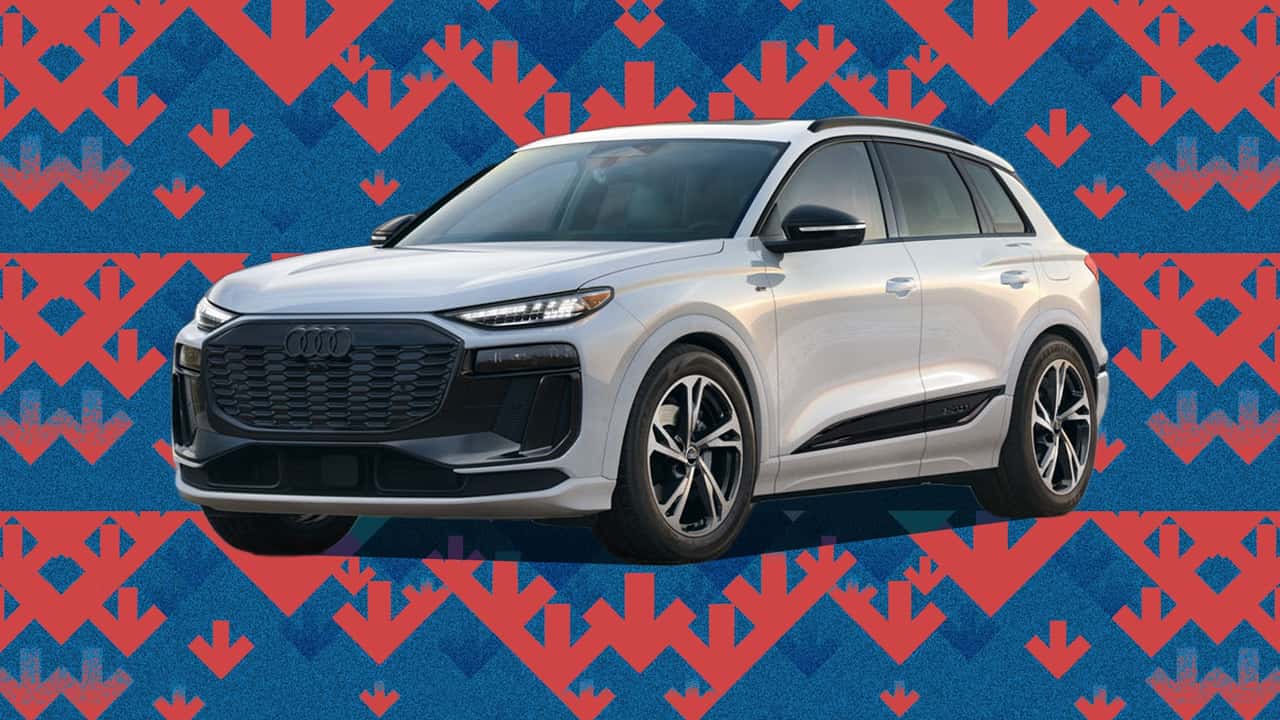
Audi's electric vehicle push in America is faltering badly. The German luxury brand sold fewer than 2,000 EVs during the first half of 2024, a dismal showing that exposes the brand's struggles in the world's most competitive EV market.
The numbers tell a brutal story. Audi entered the U.S. EV race with models like the e-tron and Q4 e-tron, yet these vehicles haven't gained meaningful traction against Tesla, GM, Ford, and even Chinese competitors arriving stateside. Two thousand units across six months means Audi is essentially invisible in the EV segment.
Several factors explain this collapse. Audi's EV lineup arrived late compared to established competitors. Tesla already owned the luxury EV market with the Model S and Model 3. General Motors was pushing Chevy Bolt sales and rolling out premium GMC Hummer EV and Cadillac Lyriq models. Ford brought the Mustang Mach-E to market with strong brand recognition and pricing discipline.
Audi's pricing strategy hurt adoption. The e-tron and Q4 e-tron commanded premium prices without the charging infrastructure or brand dominance Tesla enjoys. American buyers hesitated to pay luxury money for unproven EV credentials from a brand known for gas sedans and SUVs.
The brand also faced supply chain constraints and manufacturing ramp-up challenges typical of legacy automakers transitioning to electric powertrains. Unlike Tesla's vertical integration or GM's dedicated EV platforms, Audi adapted existing platforms for battery power, creating compromises in efficiency and range.
This performance threatens Audi's survival strategy in America. European automakers bet heavily that their heritage, design language, and engineering would translate to EV dominance. Instead, they're discovering that EV buyers care more about