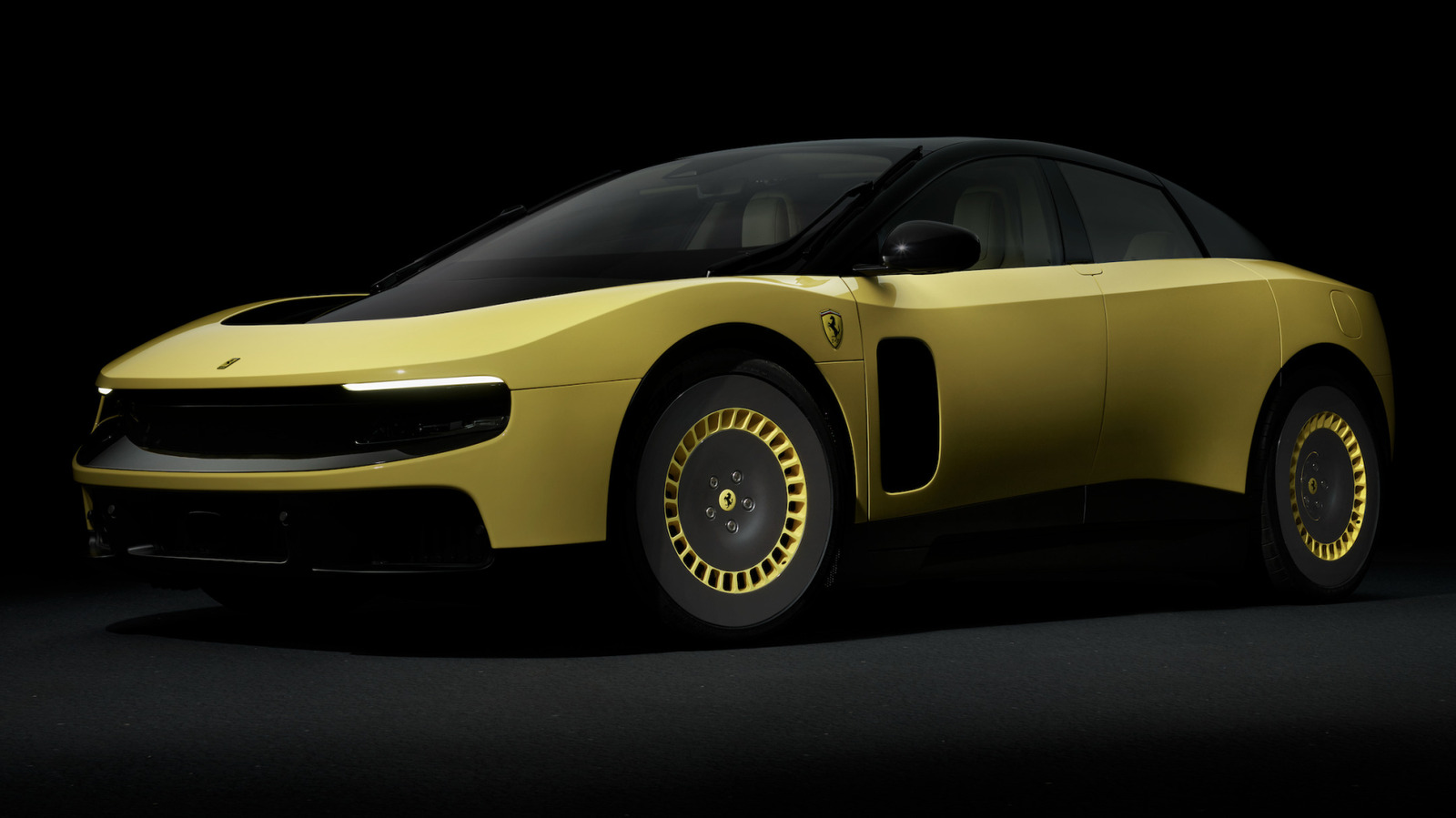
Ferrari's first fully electric vehicle, the Luce, has become an unexpected lightning rod for criticism from the automotive community and enthusiasts. The Italian marque, which revealed the $640,000 sedan at the 2024 Paris Motor Show, underestimated the backlash against its design and positioning.
The Luce represents Ferrari's pivot toward electrification, a mandatory shift for legacy automakers facing regulatory pressure in Europe and other key markets. However, the reception suggests Ferrari misjudged how its core audience would react to an all-electric sedan wearing the Prancing Horse badge. Enthusiasts and journalists have broadly rejected the design language, calling it uninspired and disconnected from Ferrari's heritage of driver-focused sports cars.
Ferrari executives appear genuinely surprised by the intensity of negative feedback. The company positioned the Luce as a luxury grand tourer for affluent buyers seeking zero-emission motoring without sacrificing performance or prestige. The sedan's engineering is sound, with electric power delivery and claimed performance figures that meet Ferrari standards. But design alone has driven the narrative against it.
The criticism reflects a broader tension in the luxury EV market. Buyers spending over $600,000 expect vehicles that excite and inspire, not pragmatic transportation solutions that happen to be electric. The Luce's understated styling and sedan format clash with Ferrari's identity as a maker of visceral, distinctive machines. Porsche faced similar skepticism with the Taycan, though that car has won over many through driving dynamics and refinement.
Ferrari must now navigate a delicate path forward. The company needs to move toward electrification to survive regulatory requirements and appeal to wealthy buyers concerned about emissions. Yet abandoning the emotional, driver-centric philosophy that defines the brand risks alienating the very clientele that sustains it.
The Luce's rocky reception serves as a caut