Global electric vehicle sales reached 2 million units in June, marking a milestone that underscores accelerating EV adoption worldwide. However, the aggregate figure masks a troubling divergence between regional markets, with the United States losing competitive ground to China and Europe.
China dominates the EV landscape. Chinese manufacturers now control the majority of global EV production and sales, leveraging aggressive pricing, established supply chains, and government support. Companies like BYD, Li Auto, and NIO have captured market share through competitive models at multiple price points. China's EV sales continue climbing month over month.
Europe maintains strong momentum through a mix of legacy automakers and new entrants. Volkswagen, BMW, and Mercedes-Benz push electrified lineups across their brands. Stricter emissions regulations in the EU create regulatory tailwinds for EV adoption. European markets show consistent double-digit growth.
The United States trails both regions. American EV penetration remains modest relative to new vehicle sales. Tesla dominates the U.S. market but faces mounting competition from Ford, General Motors, and Hyundai-Kia entries. Consumer concerns about charging infrastructure, battery costs, and vehicle pricing continue to dampen adoption rates compared to China and Europe.
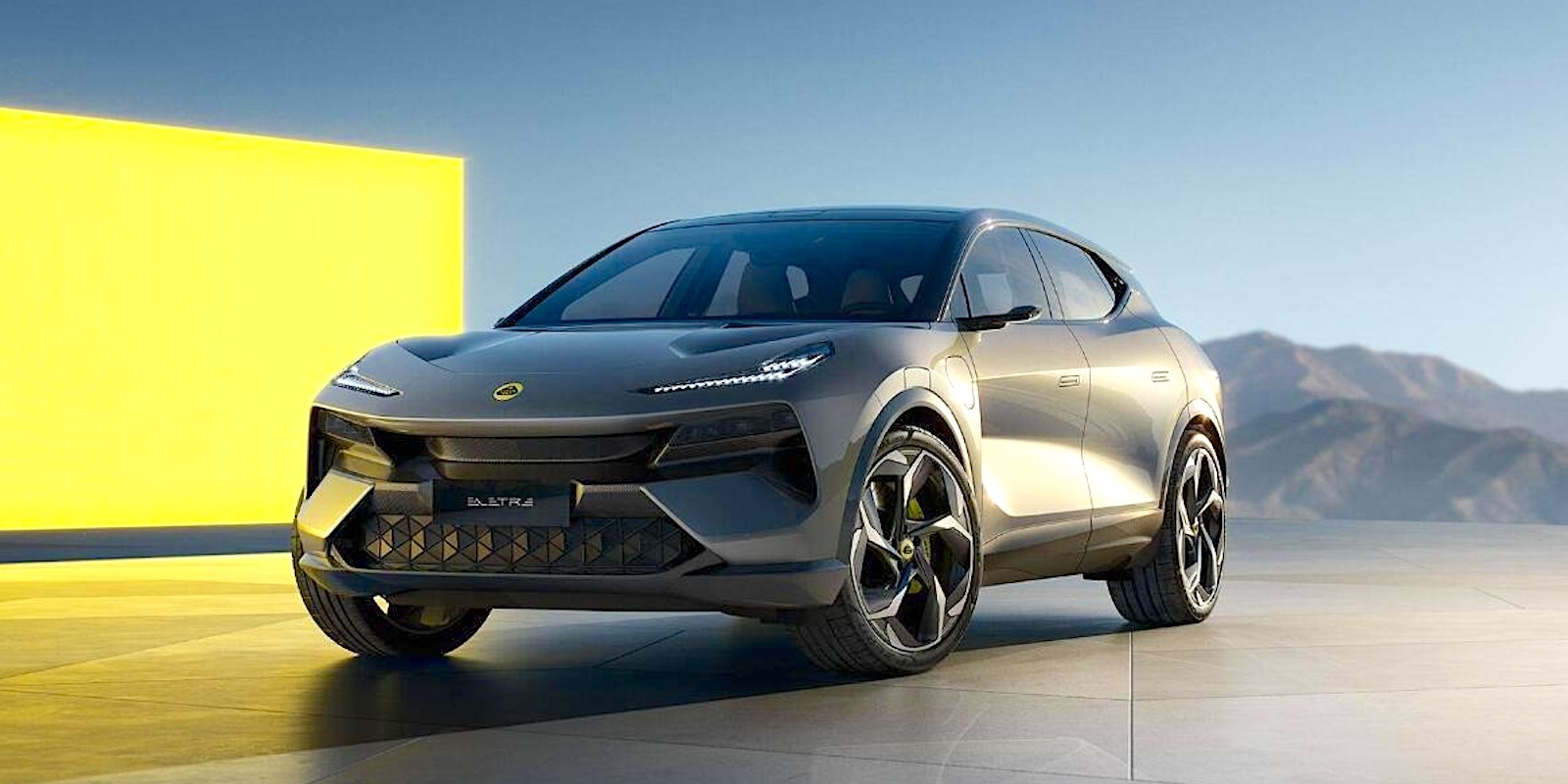
The Lotus Eletre R exemplifies the competitive challenge facing American brands. Chinese-made performance EVs now deliver spec-sheet advantages at lower prices than comparable American offerings. This dynamic pressures legacy U.S. automakers to accelerate EV rollouts while managing profitability concerns.
Policy differences explain much of the gap. China subsidizes EV purchases and manufacturing. Europe enforces strict fleet emissions targets. The United States relies on tax credits capped at $7,500 and manufacturer eligibility restrictions, creating a less aggressive incentive structure.
Supply chain positioning matters. Battery production capacity in the U.S. remains const