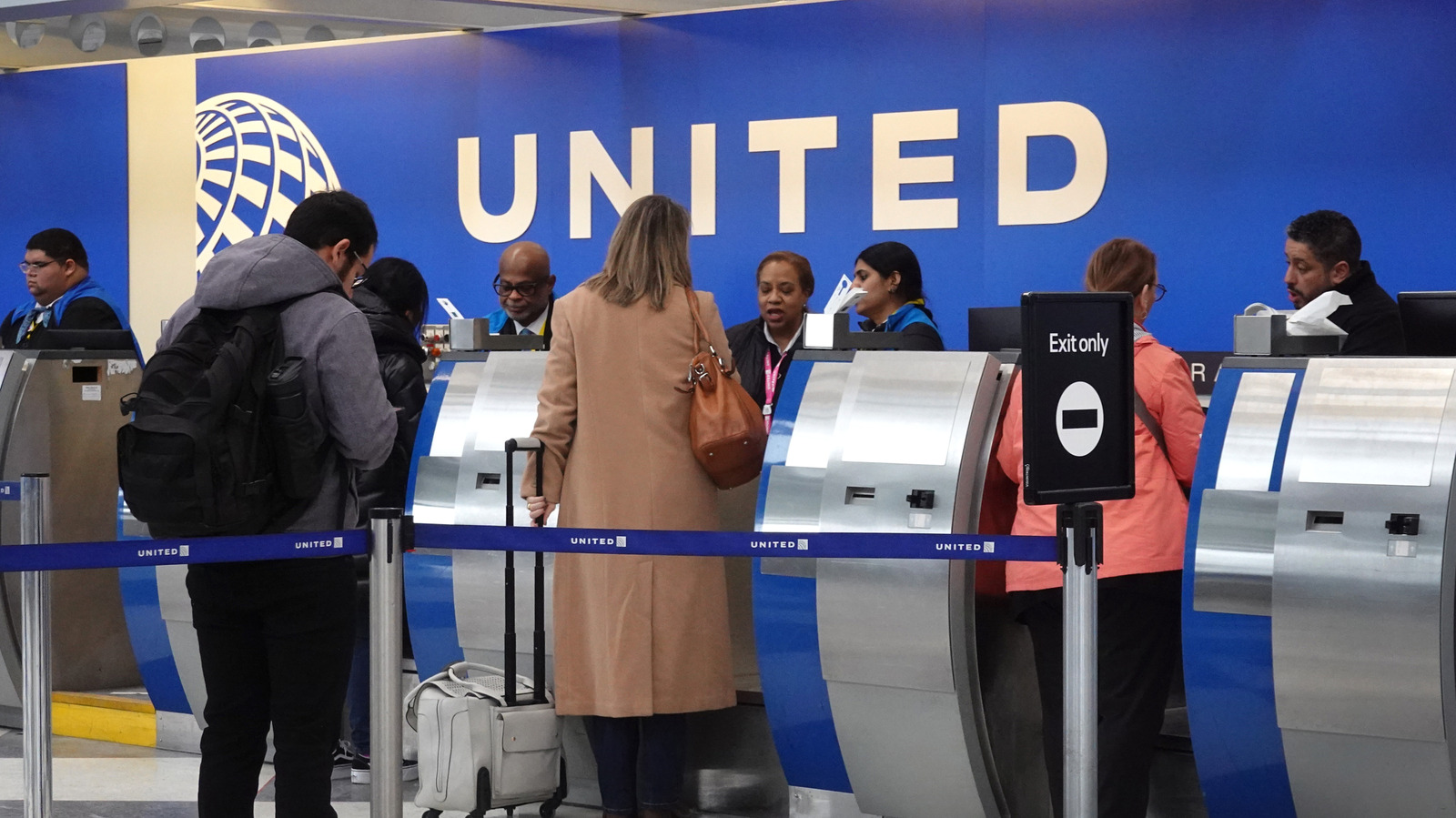
United Airlines launched a pilot program allowing passengers to drop off checked baggage the night before their flights at select airports. The initiative targets a persistent bottleneck in airport operations, where check-in lines consume time that travelers could spend elsewhere.
The trial operates at limited locations and aims to test whether early bag drops reduce congestion at departure terminals. By shifting luggage handoff to the previous evening, United reduces the volume of passengers queuing at counters during peak morning hours. This logistical shift addresses a real pain point in air travel.
The program works straightforwardly. Passengers arriving the night before their flight can deposit checked bags at designated drop-off points. United then sorts and loads the luggage onto the appropriate aircraft by morning. The airline handles timing and routing, freeing travelers from this pre-flight obligation.
Early bag drop programs represent industry-wide recognition that airports operate inefficiently during rush periods. American Airlines, Delta Air Lines, and Southwest Airlines have experimented with similar systems at various hubs. These carriers recognize that passenger experience directly influences brand loyalty and operational costs.
United's approach reflects broader competitive dynamics in commercial aviation. As carriers compete on service quality beyond just fares, streamlining airport procedures matters. Passengers increasingly expect frictionless travel experiences. Reducing wait times at check-in counters positions United favorably against competitors offering comparable routes and pricing.
The real value emerges if this pilot expands. System-wide adoption would fundamentally reshape how airports manage passenger flow during peak hours. Successful early bag drops could push competing carriers to implement similar programs, raising industry standards across the board.
Operational challenges remain. Baggage handling requires precision to avoid misrouting luggage or missing flights. Training ground crews and establishing standardized procedures across multiple airports demands investment. United must demonstrate the system works reliably before rolling it out fleet-wide.
The trial represents United's bet that convenience drives