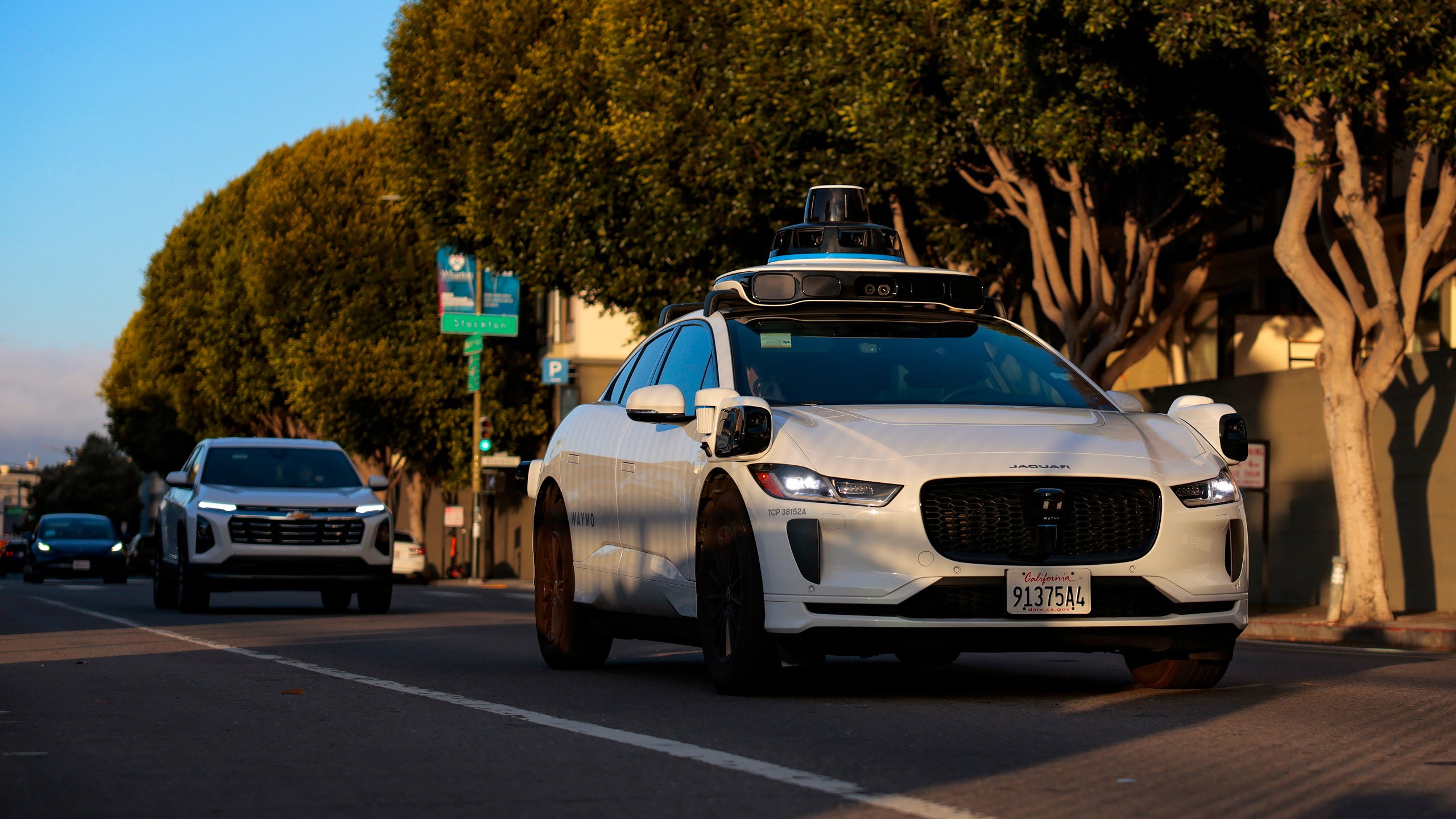
The National Highway Traffic Safety Administration has formally called out autonomous vehicle makers over a mounting problem: robotaxis blocking emergency responders during critical situations.
NHTSA's chief issued a letter highlighting a "clear pattern" of self-driving vehicles impeding first responders at accident scenes, medical emergencies, and fire calls. The agency did not name specific companies, but the complaint targets the core operational flaw in current robotaxi systems. Autonomous vehicles operate within rigid programming constraints. When emergency lights flash and sirens wail, human drivers instinctively pull over or move out of the way. Most robotaxis simply follow traffic rules literally. They don't recognize the contextual urgency of an ambulance racing to a hospital or a fire truck heading to a burning building.
This problem affects Waymo, Cruise, and other AV operators deployed in San Francisco, Phoenix, Las Vegas, and other cities. Blocked ambulances delay patient transport. Fire trucks struggle to reach emergencies. Police cannot access accident sites efficiently. The delay compounds in urban environments where robotaxis cluster in corridors.
The letter represents escalating regulatory pressure. NHTSA has broad authority over vehicle safety standards. A formal call from the transportation department carries weight beyond suggestions. Robotaxi operators now face implicit expectations to solve this, or face potential regulatory action.
The fix requires software updates that teach autonomous systems to recognize emergency vehicle acoustics and light patterns, then calculate safe exit routes. This sounds straightforward but demands real-world testing and validation across different street configurations. Some AV companies have begun addressing this voluntarily, but NHTSA's letter suggests adoption remains inconsistent.
This issue exposes a fundamental gap between robotaxi engineering and operational reality. Autonomous vehicles excel at following rules. They struggle with exceptions. Emergency response is the exception that demands immediate adaptation. Until robotaxis can reliably yield to first responders, cities will