# Oil Surplus Forecast For 2027 Threatened By Trump's Continued War With Iran
A forecasted global oil surplus expected by 2027 faces real jeopardy from escalating U.S.-Iran tensions under the Trump administration. Energy analysts now question whether crude production will outpace demand as previously modeled.
The International Energy Agency and other market watchers had projected a meaningful oil glut starting around 2027, driven by increased shale production in the United States, investment in Saudi and Russian output, and slowing demand growth in developed economies. That scenario assumed stable geopolitical conditions and uninterrupted supply flows through critical chokepoints like the Strait of Hormuz.
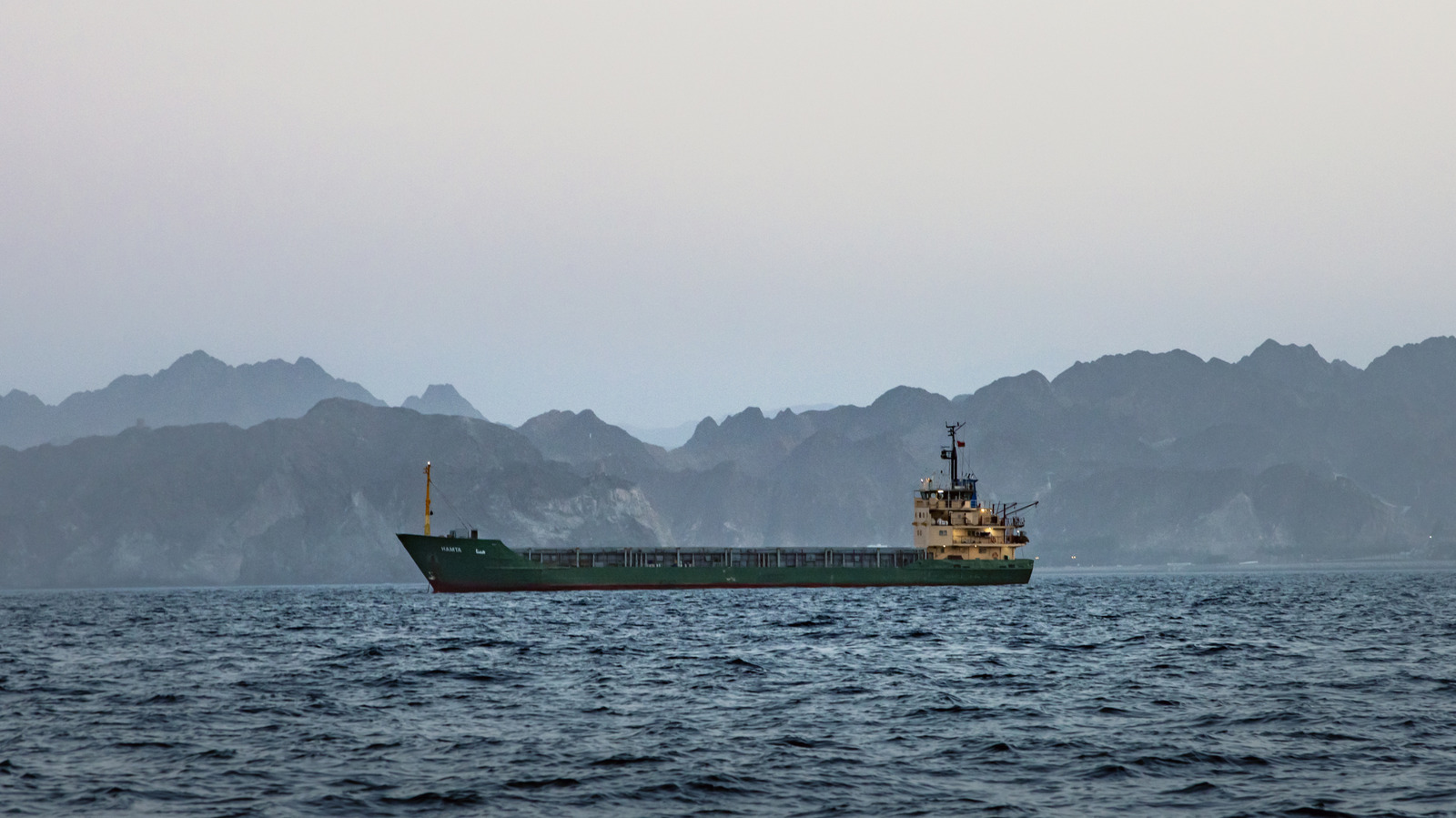
Trump's renewed confrontational posture toward Iran disrupts that calculus. The administration has reasserted maximum pressure policies, including sanctions targeting Iranian oil exports and threatening military intervention. Iran controls roughly 5 percent of global crude supplies. Any conflict disrupting Iranian production or blocking the Strait of Hormuz, through which 21 percent of the world's petroleum passes, would instantly tighten markets and spike prices.
Automakers face downstream consequences. Higher fuel costs dampen consumer demand for vehicles, particularly in price-sensitive segments. Manufacturers already navigating the expensive transition to electric vehicles cannot afford prolonged crude volatility. Supply chain costs rise when oil spikes. Battery material procurement depends on stable energy prices.
Oil majors like ExxonMobil, Shell, and Saudi Aramco adjust investment strategies based on long-term price forecasts. A surplus scenario warranted capital discipline. Heightened geopolitical risk forces them to maintain higher hedges against supply disruptions, adding operational expenses.
For consumers, the implications center on pump prices and vehicle affordability. A sustained surplus would have capped gasoline costs around $2.50 per gallon. Geopolitical