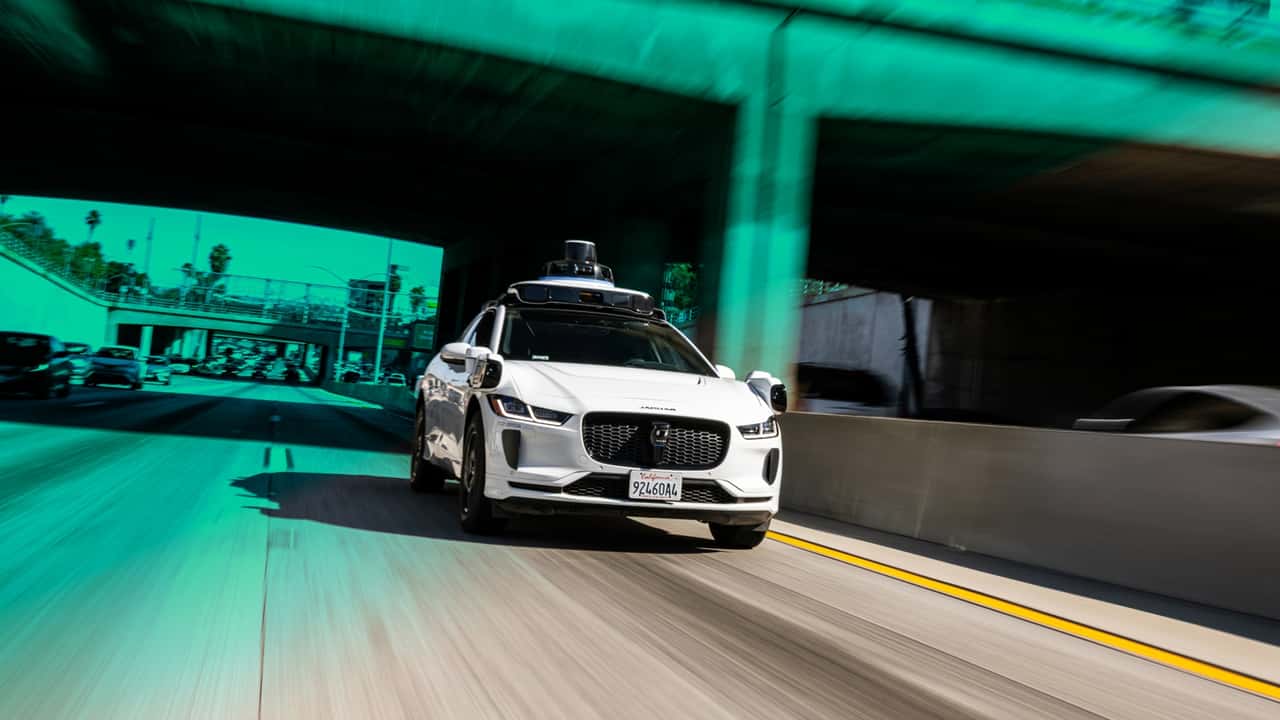
Federal regulators are cracking down on robotaxi operators that obstruct emergency responders. The National Highway Traffic Safety Administration (NHTSA) and other federal agencies have made clear that autonomous vehicle companies must implement immediate solutions to prevent their fleets from blocking police, fire, and ambulance services during critical operations.
The issue centers on robotaxis that fail to yield quickly or navigate out of the way when emergency vehicles activate sirens and lights. Companies like Waymo and Cruise have deployed thousands of autonomous vehicles in major cities including San Francisco, Phoenix, and Los Angeles. While mostly reliable, these vehicles occasionally malfunction or behave unpredictably around emergency vehicles, creating dangerous delays for paramedics and firefighters responding to life-threatening situations.
Federal officials emphasized that public trust in autonomous vehicle technology depends on responsible fleet management. Regulators signaled that companies failing to address this problem face potential operational restrictions or suspensions. The agencies indicated they will monitor incident reports between robotaxis and emergency responders closely over the coming months.
Robotaxi operators must now reprogram their systems to recognize emergency vehicle signals more reliably and execute faster, smoother exits from roadways. Some companies are upgrading vehicle-to-infrastructure communication systems to receive advance warning of emergency vehicles approaching their fleets. Others are implementing geo-fencing technology that automatically routes autonomous vehicles away from emergency calls in real time.
This regulatory pressure reflects broader tension between innovation and public safety. Autonomous vehicle companies have pushed for rapid deployment to build market share and prove their technology works at scale. But incidents of robotaxis blocking ambulances or fire trucks responding to emergencies have generated negative headlines and eroded public confidence.
The federal stance signals a clear message: robotaxi companies can operate freely only if their vehicles actively support emergency services rather than hinder them. Meeting this standard is now non-negotiable for continued expansion. Companies that fail to demonstrate reliable integration with