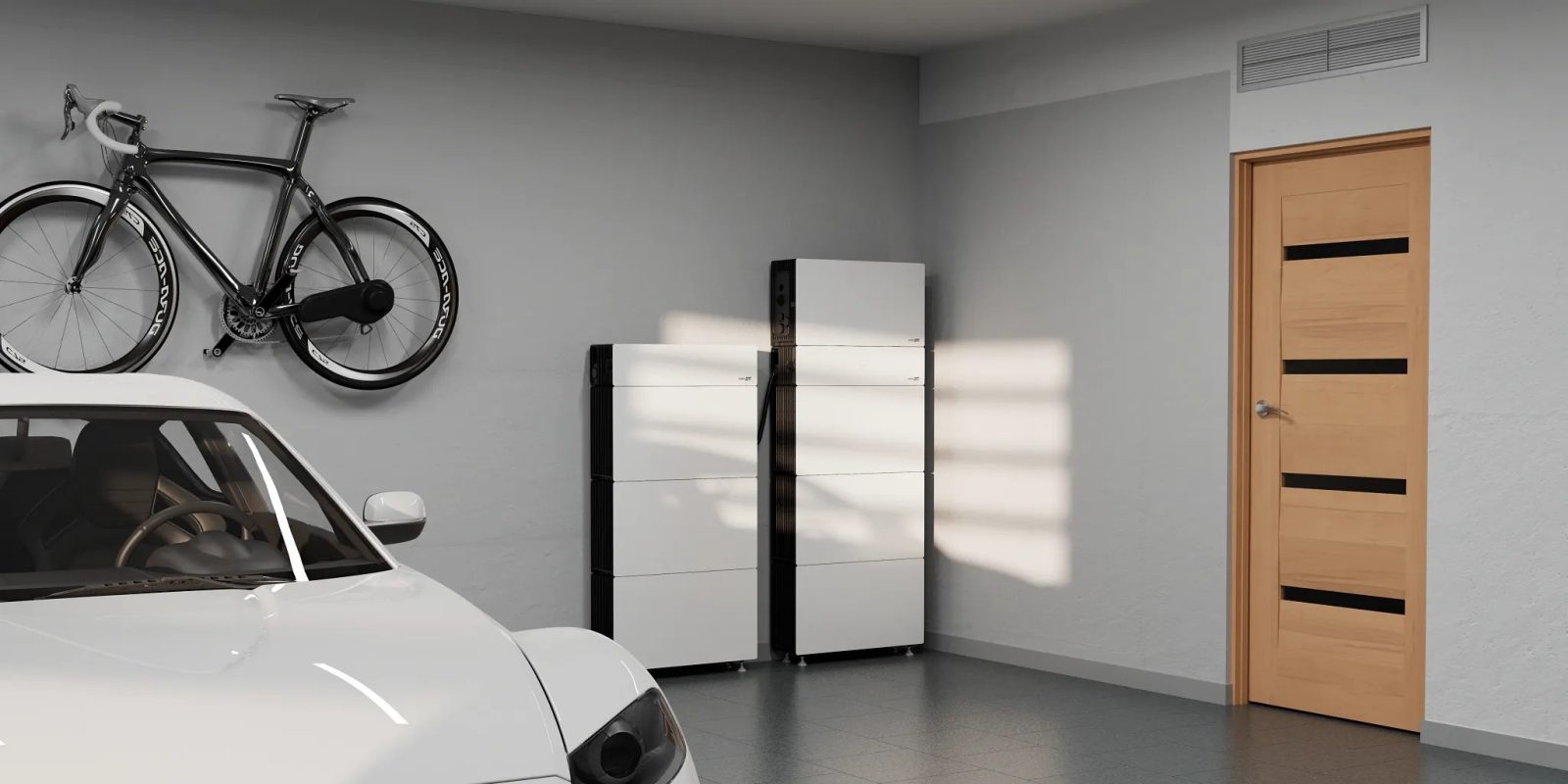
SolarEdge launched the Nexis, a modular home battery system designed for rapid installation and scalability. The company claims the system installs in under 30 minutes, a significant reduction from traditional battery setups that typically require hours of professional labor. The modular architecture uses what SolarEdge describes as a "Lego-like" design, allowing homeowners to add or expand storage capacity without replacing the entire system.
Orders for Nexis opened across the US market. The platform integrates with SolarEdge's existing solar inverter ecosystem, creating a unified energy management solution for residential customers. This approach addresses a major pain point in home energy storage adoption. Installation speed directly cuts labor costs, which represent a substantial portion of total battery system expenses.
The modular design targets the growing segment of homeowners installing solar who want future flexibility. Rather than committing to a fixed battery capacity upfront, customers can start with a base unit and expand storage as energy needs evolve or prices decline. This addresses buyer hesitation around large upfront investments in home storage.
SolarEdge positions itself against competitors like Tesla's Powerwall and LG's Chem RESU systems. The Powerwall requires specialized installation and carries a substantially higher price point. SolarEdge's integration advantage lies in controlling both the solar production side and battery management side within a single platform, potentially improving system efficiency and response times.
The timing aligns with expanding residential energy storage demand driven by rising electricity rates, grid reliability concerns, and federal tax incentives through the Inflation Reduction Act. The ITC provides 30 percent tax credits for battery systems paired with solar installations, though the credits phase down after 2032.
Installation speed matters beyond convenience. Faster installations mean lower labor costs for installers, potentially enabling more competitive pricing to end consumers. The Nexis targets the sweet spot between affordability and capability