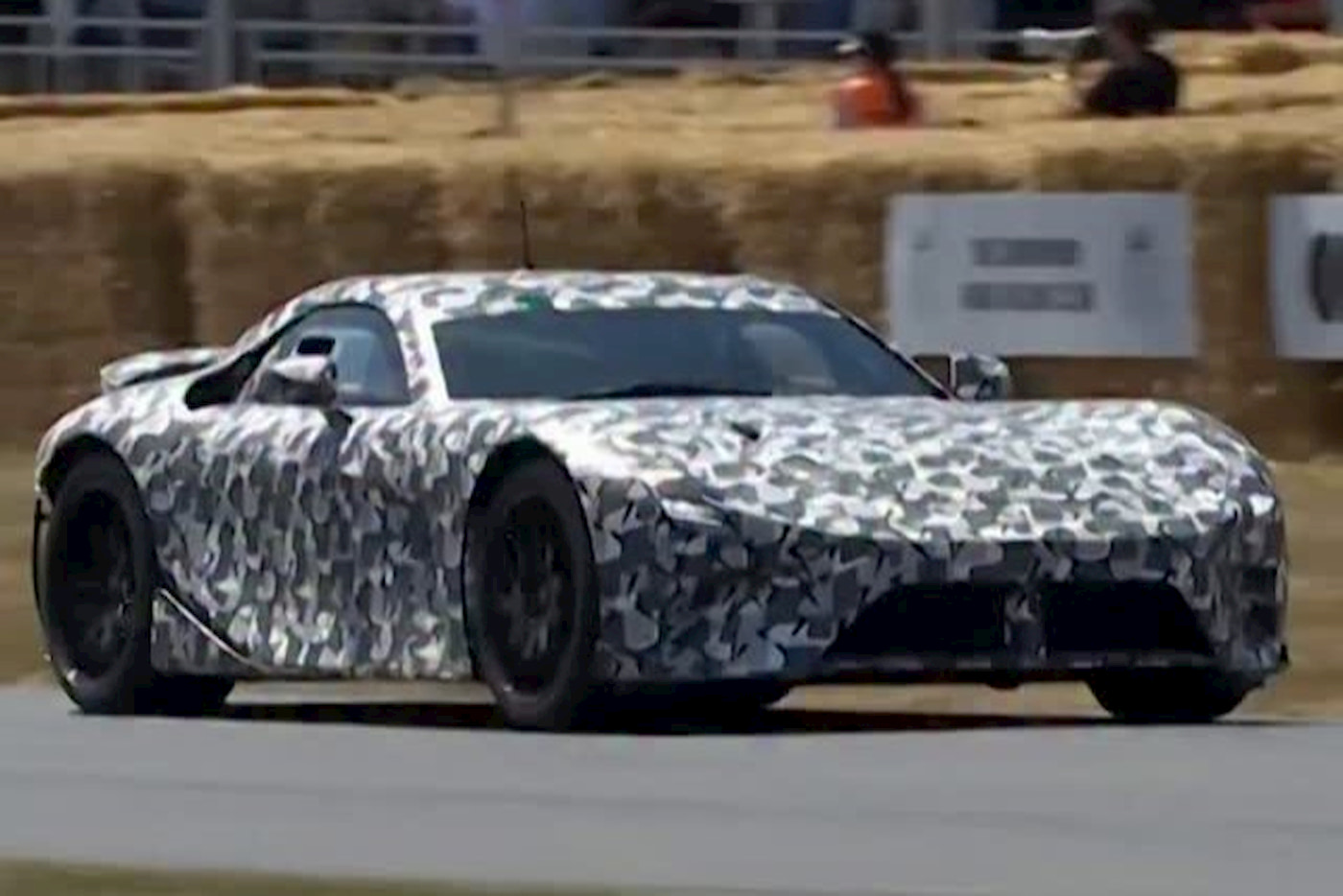
Toyota's Lexus division has revived the LFA nameplate as an all-electric sports car, marking a significant shift in the brand's performance lineup. The prototype debuted publicly at the Goodwood Festival of Speed, generating considerable enthusiasm for the project. However, serious questions linger about whether this vehicle will ever reach actual production.
The original LFA, produced from 2010 to 2012, established itself as a technological tour de force. The hand-built sports car featured a naturally aspirated 4.8-liter V10 engine producing 552 horsepower and commanded a price tag exceeding $375,000. It became one of the most coveted supercars of its generation, known for extreme exclusivity and engineering precision.
Electrifying the LFA represents a bold gamble for Lexus. The brand has committed to offering electrified versions across its entire portfolio by 2030, but translating the LFA's analog, high-revving ethos into battery power presents creative and commercial challenges. An EV sports car requires completely different engineering architecture, packaging, and development timelines than the original ICE model.
Lexus faces a credibility test here. The luxury EV sports car segment remains unproven at the volumes that traditional manufacturers need. Porsche's Taycan shows promise but operates at lower volumes than conventional sports cars. Tesla dominates EV performance but lacks the heritage appeal Lexus possesses.
The Goodwood appearance signals Lexus is serious about the concept, yet the path from show car to showroom remains opaque. Toyota historically delays announcements until production readiness appears certain. No official timeline exists for an LFA EV launch, no pricing has been floated, and no production numbers have been disclosed.
For enthusiasts, the stakes feel personal. The LFA represented the zenith of naturally aspir