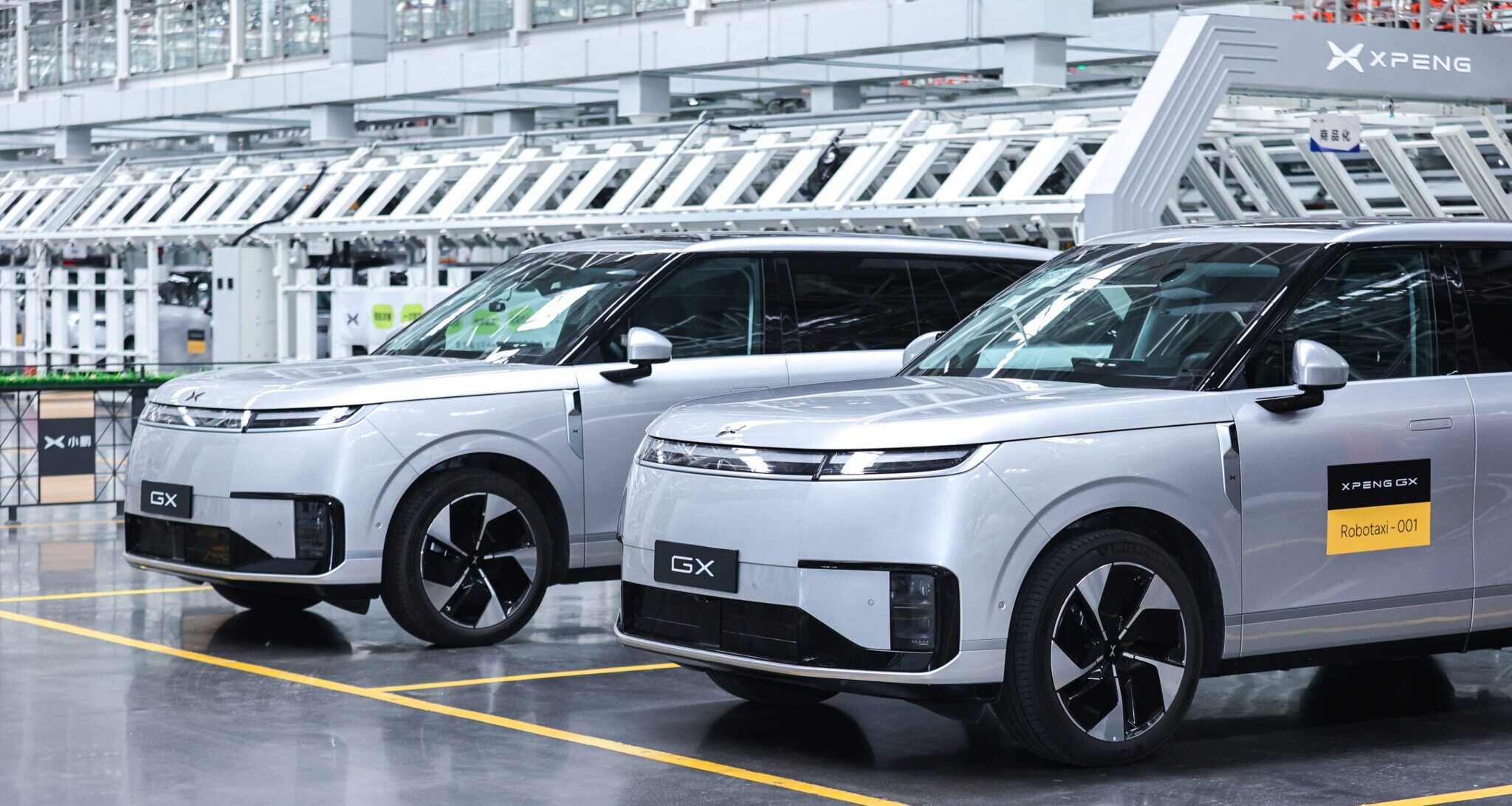
Xpeng has launched closed beta testing for its GX robotaxi, marking a critical step forward for the Chinese automaker's autonomous vehicle ambitions. The move signals Xpeng's confidence in its self-driving stack and represents a divergent path from competitors like Tesla and traditional automakers pursuing full autonomy.
Xpeng's approach differs from rivals in several ways. While Tesla focuses on consumer-grade autonomy through regular vehicles, Xpeng is building purpose-designed robotaxi hardware. The GX platform reflects the company's strategy to deploy dedicated autonomous vehicles in controlled environments first, then expand to broader markets. This measured rollout allows Xpeng to gather real-world performance data before wider commercial deployment.
The Chinese EV maker has invested heavily in autonomous technology. Xpeng operates its own in-house AI development team and has conducted extensive testing across multiple Chinese cities. The company's vision prioritizes Level 4 autonomy, where vehicles handle all driving tasks under defined conditions without human intervention.
Beta testing typically involves a limited number of vehicles operating in specific geographic zones with monitoring. Xpeng likely selected routes reflecting urban and suburban environments where robotaxis would operate commercially. Testers will provide feedback on passenger experience, system reliability, and edge cases that training data may have missed.
This development matters for several reasons. China's autonomous vehicle market moves faster than Western regulations permit. Xpeng's progress pressures competitors to accelerate timelines. For Waymo and Cruise, which already operate limited robotaxi services in the U.S., Xpeng represents a new competitive threat in a potentially massive market.
The success of Xpeng's GX robotaxi will hinge on three factors. First, safety validation across thousands of test miles. Second, passenger adoption and comfort with driverless vehicles. Third, regulatory approval and insurance frameworks in China