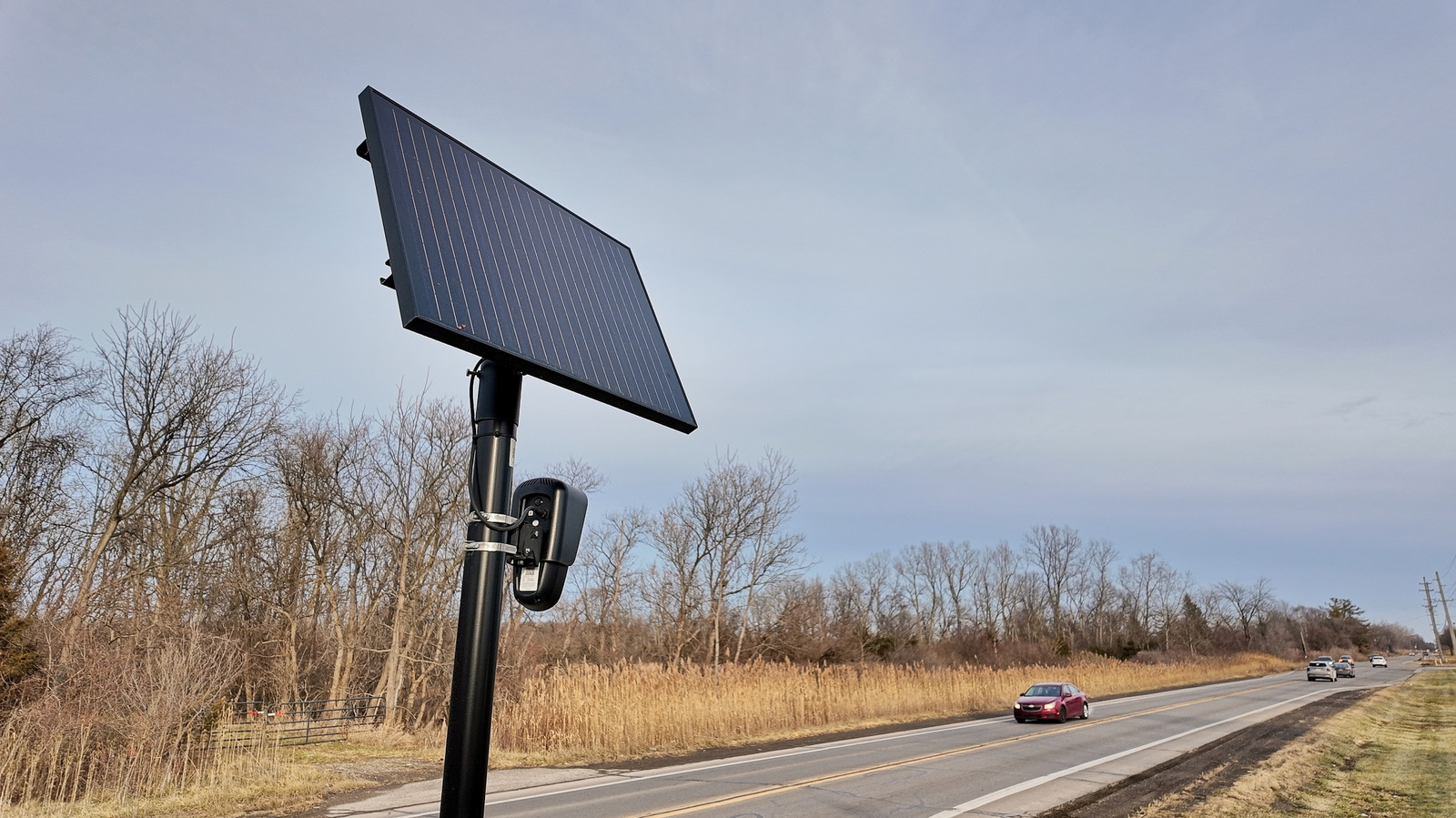
A Flock cameras misidentification led Plymouth police to detain an automotive journalist over a Range Rover flagged as stolen, according to Jalopnik. The journalist and a companion were stopped during what should have been routine test drive coverage. Officers informed the couple that Minneapolis police would have approached with weapons drawn based on the same alert.
Flock Safety cameras, which scan license plates across the country, generated the false stolen vehicle report. The system incorrectly matched the Range Rover's plate to a stolen vehicle in their database. Plymouth police ultimately cleared the situation after verifying the vehicle's legitimate status, but the incident highlights a critical vulnerability in automated law enforcement technology.
The stakes of such errors are significant. Misidentified stolen vehicle alerts routinely trigger aggressive police responses, including felony stops where officers draw weapons. For a journalist conducting normal automotive work, the encounter turned what should have been a simple assignment into a police confrontation with potential for escalation.
Flock Safety cameras operate across thousands of law enforcement agencies nationwide, scanning millions of plates daily. The company markets its technology as a crime-fighting tool, but accuracy issues remain unresolved. False positives create situations where innocent drivers face detention, searches, and the psychological trauma of high-risk police encounters.
This case underscores why transparency and accountability matter in automated identification systems. Police departments rely on these alerts without sufficient verification protocols. Officers are trained to treat stolen vehicle reports as high-priority threats, which explains the aggressive response mentality. Yet the underlying data can be wrong.
The journalist's experience also reveals a class dimension. An experienced automotive writer with presumably legitimate business documentation was detained. Drivers without that credibility or resources to challenge authorities face far worse outcomes. The system assumed guilt based on a database error, putting the burden on the detainee to prove innocence.
Flock Safety has faced criticism before for accuracy and privacy concerns.