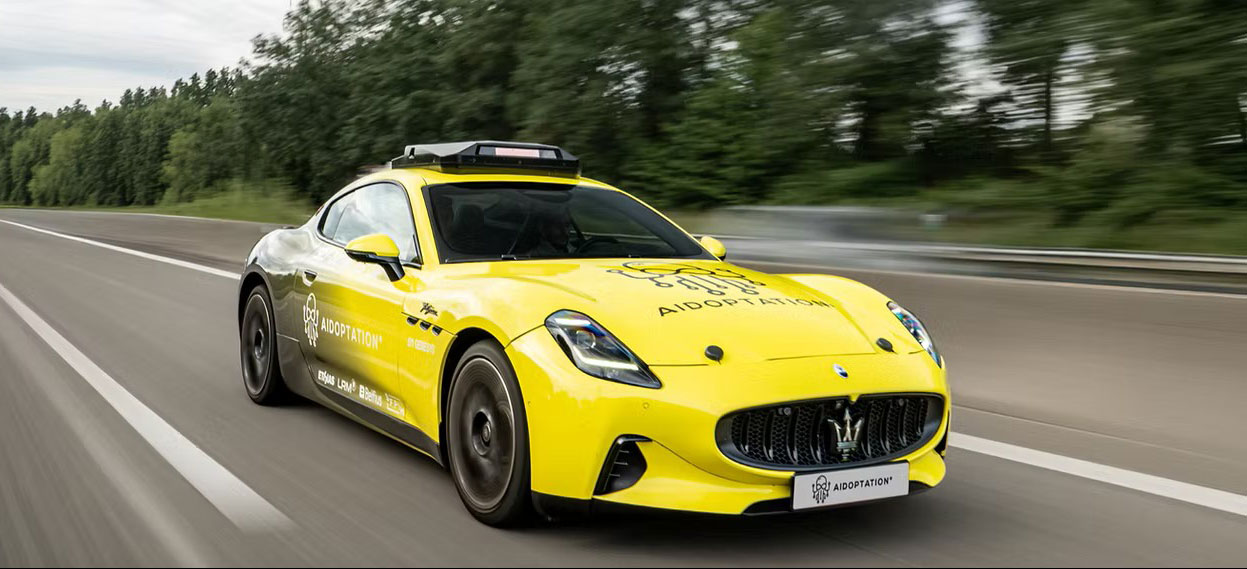
Aidoptation has secured the first European Union level 4 autonomous driving test permit, clearing a major regulatory hurdle that AV developers have pursued across the continent. Belgium granted the approval, opening a critical pathway for testing fully autonomous vehicles on highways without human intervention.
Level 4 autonomy represents true self-driving capability. The vehicle handles all driving tasks in defined conditions without requiring a human backup driver. This distinction matters enormously. Level 3 systems, which Tesla's Full Self-Driving and Mercedes' Drive Pilot operate under, still demand human attention and intervention. Level 4 removes that requirement entirely.
The Belgium permit signals a shift in EU regulatory posture. Brussels and member states have dragged behind the United States and China on autonomous vehicle testing frameworks. Federal regulators in the U.S. permit level 4 testing through exemptions and state-by-state arrangements. China has granted comparable approvals to Baidu and others. Europe's fragmented regulatory landscape, split across 27 nations with varying safety standards, created an obstacle course for developers.
Aidoptation's win breaks that logjam. The company can now test level 4 systems on Belgian highways under controlled conditions, with defined routes and performance metrics. Other developers immediately inherit a playbook. Belgium has demonstrated that EU member states can establish workable level 4 frameworks without waiting for unified Brussels legislation.
This approval arrives as the commercial pressure intensifies. Waymo operates fully autonomous robotaxis in San Francisco, Phoenix, and Austin. Tesla pushes FSD toward autonomy claims. Traditional automakers including BMW, Mercedes, and Audi race to deploy level 3 and 4 systems. European manufacturers cannot afford to fall further behind on testing data and real-world validation.
The Belgium permit remains limited in scope. Aidoptation will test under specific highway conditions, likely with ge