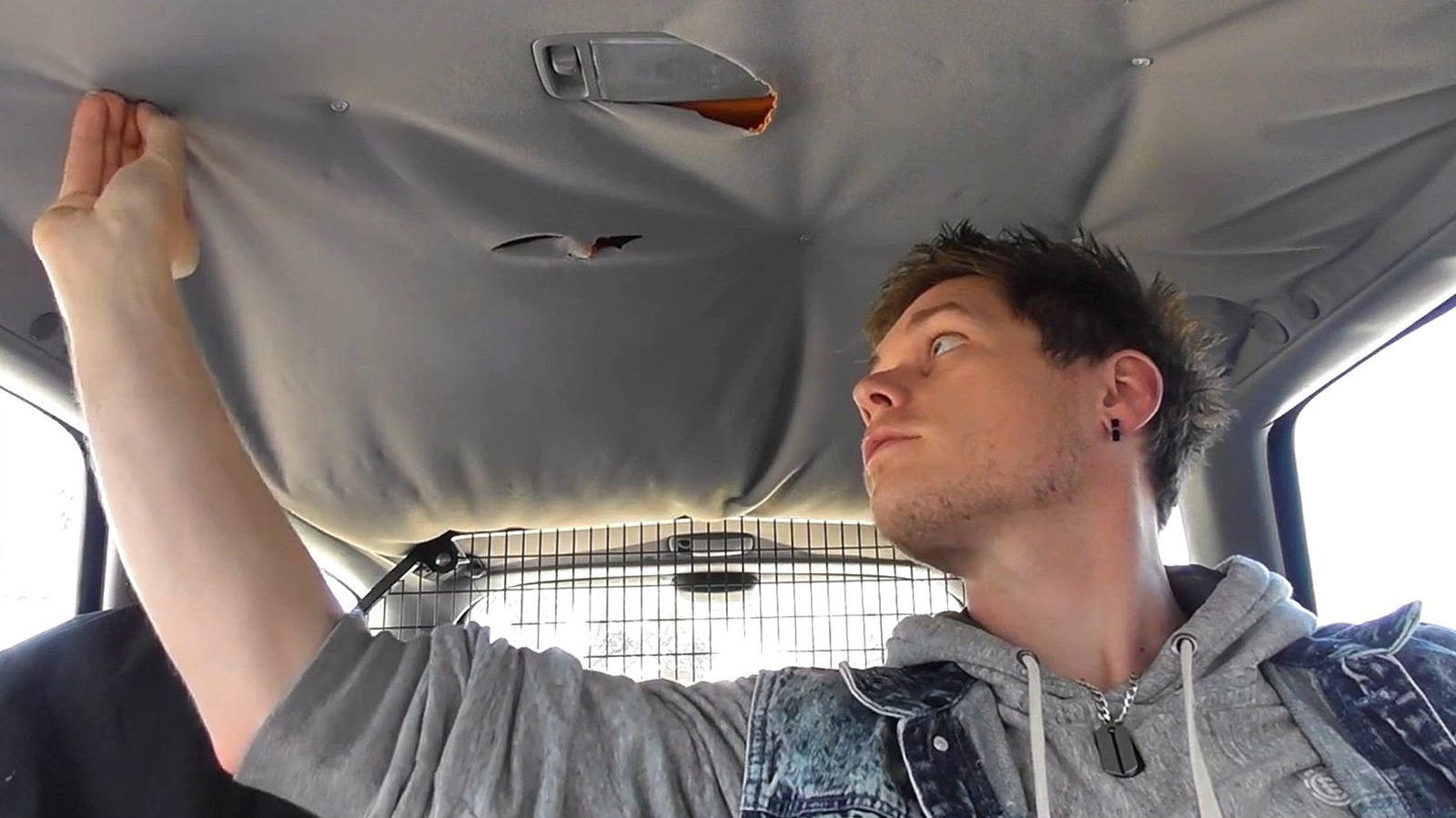
A sagging headliner ranks among the most annoying interior failures in cars, yet it doesn't always require a professional's touch or complete replacement. The fabric that lines the roof of most vehicles deteriorates as the adhesive backing fails, causing it to droop over time. This problem accelerates in hot climates where UV exposure and temperature swings degrade the bonding material faster.
DIY owners have tested numerous fixes with varying results. The most reliable approach involves using flexible fabric adhesive or contact cement applied carefully to reattach the sagging material to the backing board. This requires patience. Owners must work slowly, smoothing out air bubbles as they press the fabric back into place. The key lies in using the right adhesive formulation. Spray adhesive works in a pinch but delivers inconsistent results and often fails within months.
Some owners resort to temporary solutions like push pins or upholstery clips to hold the fabric up while the adhesive sets. This works but creates visible fasteners that look unfinished. Professional-grade fabric stiffener spray offers another avenue, though it doesn't address the root cause of separation.
Heat can actually help the process. A heat gun applied gently to the fabric while pressing it against the board accelerates adhesive activation and helps create a stronger bond. The risk lies in overheating and warping the backing material or damaging the fabric itself.
Climate matters for repairs. Attempting fixes in cold weather reduces adhesive effectiveness. Ideally, work in temperatures above 65 degrees Fahrenheit for optimal bonding.
Shop replacements run expensive, typically costing $300 to $800 depending on vehicle complexity and material quality. A DIY repair with proper adhesive costs under $30 and takes an afternoon. Success requires vigilance. Owners should monitor repaired sections over the following weeks and apply additional adhesive if spots begin sa