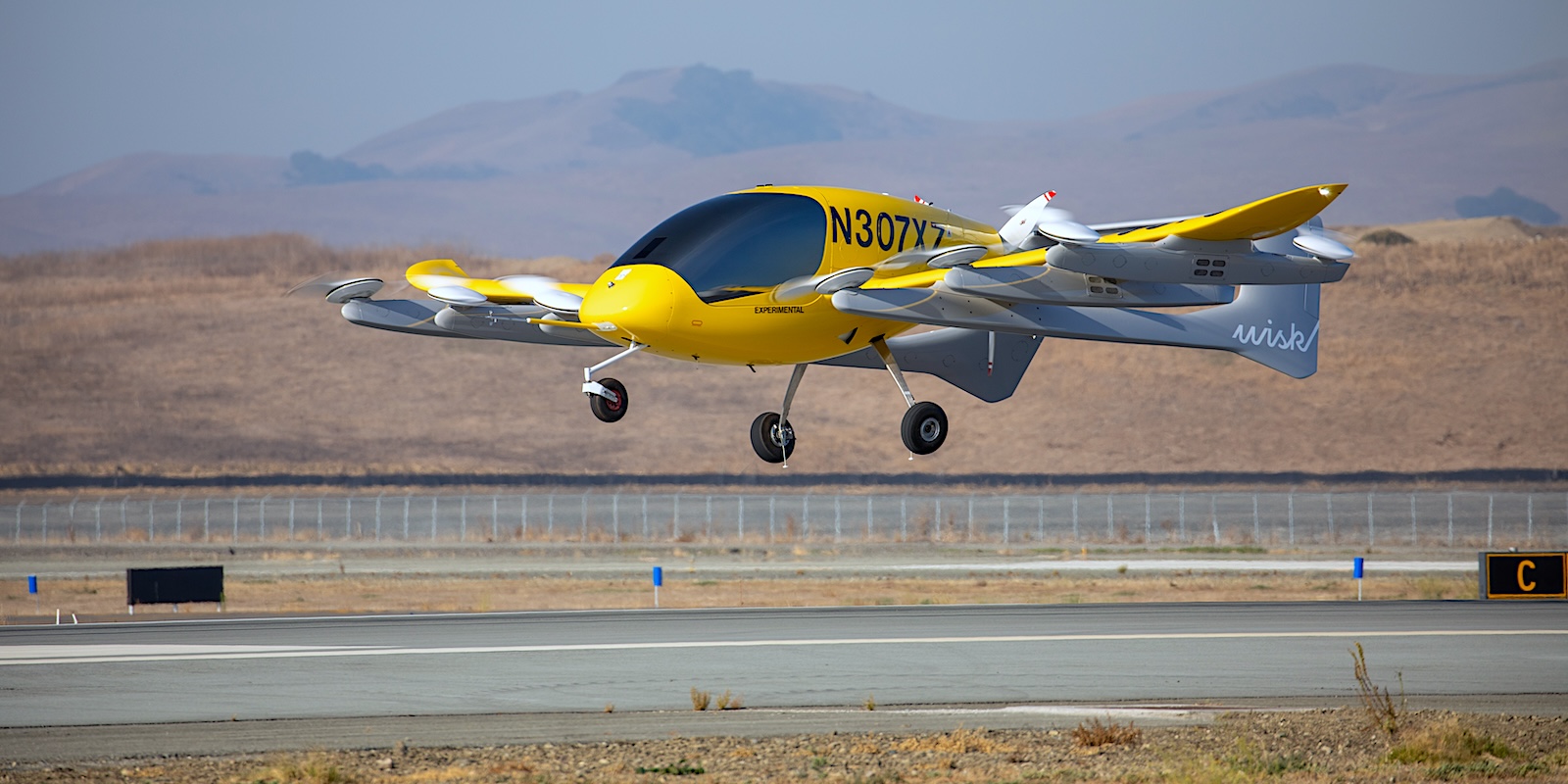
A former Wisk Aero employee filed a lawsuit alleging the Boeing-backed eVTOL startup fired them for raising concerns about inadequate software testing on its autonomous air taxi system. The employee claims Wisk rushed through validation protocols that typically govern aviation software development, bypassing safety standards required by regulators.
The allegations target a critical vulnerability in Wisk's path to certification. Federal Aviation Administration (FAA) rules mandate rigorous testing for any autonomous system handling passenger safety. Software failures in aircraft systems can prove catastrophic. Wisk has positioned itself as a near-term player in the emerging air mobility sector, with ambitions to launch commercial operations within years. That timeline appears to have collided with engineering realities.
Boeing's backing adds weight to this dispute. The aerospace giant has faced relentless scrutiny over quality assurance lapses in recent years, particularly following the 737 MAX disasters and subsequent manufacturing defects. Any association with corners cut on aviation software invites immediate skepticism from regulators and the flying public.
Wisk competes directly with Joby Aviation, Archer Aviation, and Lilium in the crowded eVTOL space. All of these startups depend on FAA certification to operate. A reputation for sloppy testing could derail years of development work and investor confidence. The lawsuit introduces public doubt at a moment when regulatory approval becomes the single most important metric for these companies.
The fired employee's willingness to pursue legal action suggests internal safety documentation exists backing the claims. Whistleblower cases involving aviation typically involve paper trails, test reports, and email chains. If discovery reveals systematic avoidance of testing protocols, the FAA will almost certainly intervene.
Wisk has not publicly commented on the lawsuit. Boeing subsidiaries face heightened scrutiny from every stakeholder, so silence may reflect strategic caution. The outcome carries implications