Elon Musk directed Tesla employees to adopt Grok, the AI model from his xAI venture now operating under SpaceX, through a Friday memo. The mandate follows Tesla's decision to cap spending on third-party AI tools, effectively forcing internal use of Grok across the workforce.
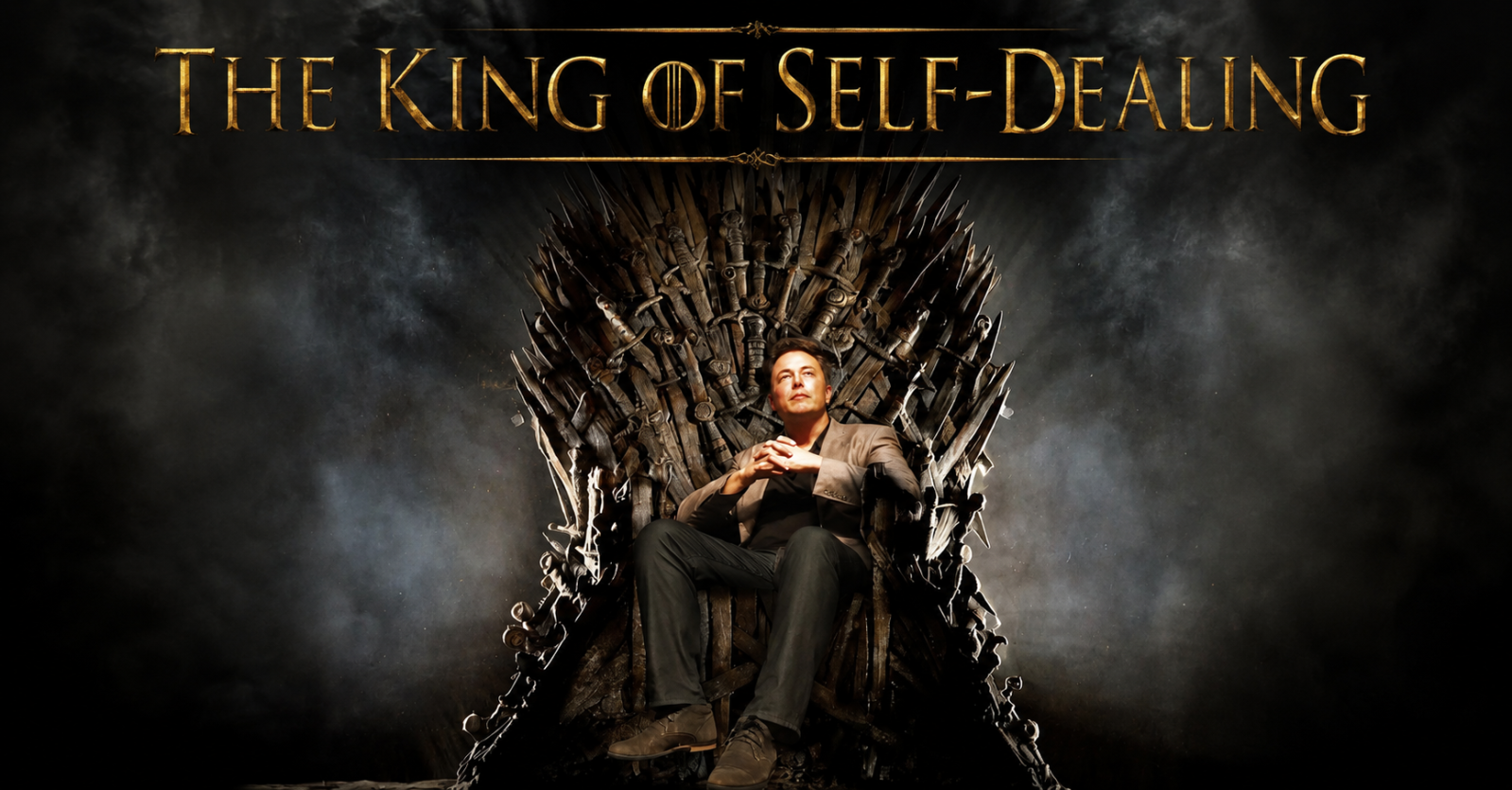
The move reveals a troubling dynamic. Musk himself has acknowledged that Grok underperforms competing AI models from OpenAI, Anthropic, and Google. Despite this admission, he is steering Tesla staff away from superior tools toward an inferior product solely because he owns it. This represents textbook self-dealing, where personal financial interest overrides employee productivity and company performance.
Tesla engineers and staff who relied on ChatGPT, Claude, or Gemini now face restricted access to those systems. Grok, while improving, remains behind market leaders in reasoning, coding assistance, and specialized tasks that Tesla's teams depend on daily. The efficiency hit will be real. Developers writing complex autonomous-driving code or thermal-management algorithms lose access to best-in-class tools.
This also signals trouble for xAI's path. If Musk must force adoption through corporate mandate rather than winning through superiority, the product isn't ready for voluntary market adoption. Genuine competitive AI tools succeed because engineers choose them. Grok's relegation to Tesla's captive user base suggests the model needs years more development before it rivals leaders.
The timing stings harder given Tesla's cost-cutting priorities. The company preaches efficiency while systematically degrading the tools employees need to deliver it. This creates retention risk among top engineering talent who value capability and autonomy.
Musk's history of mixing his personal ventures with operational decisions at Tesla and Twitter has consistently backfired. This Grok push follows the same pattern, prioritizing empire-building over shareholder value. Tesla's board should have