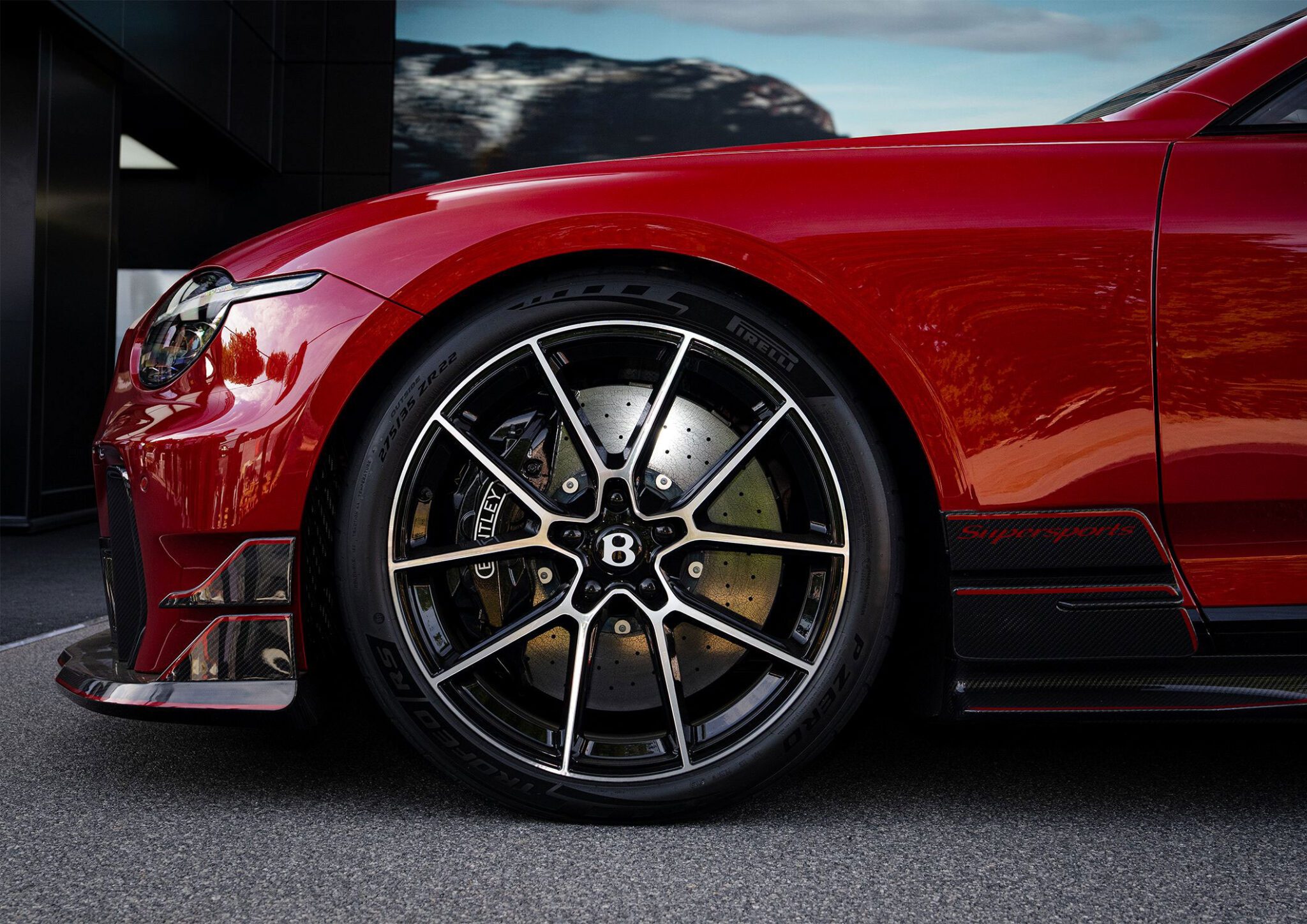
Pirelli has reached 300 original equipment manufacturer homologations for its P Zero tire family in just three years, cementing the brand's dominance in the premium segment. The Italian tire maker's achievement underscores how thoroughly the high-performance tire market has consolidated around P Zero as the go-to choice for automakers equipping new vehicles.
The P Zero family spans multiple variants engineered for different driving conditions and vehicle classes. Pirelli's 300 OEM homologations reflect approvals across luxury marques, performance brands, and mainstream manufacturers seeking premium tire credentials. Each homologation represents a tire specifically validated and engineered to meet an automaker's performance, noise, and durability specifications for a particular model or platform.
This expansion accelerates Pirelli's market position at a time when tire development cycles shorten and OEM specifications become more demanding. Premium tire makers compete intensely for factory-fit contracts because OEM relationships drive aftermarket brand loyalty and generate substantial volume. Reaching 300 homologations in 36 months signals that Pirelli's P Zero lineup successfully threads the needle between performance, efficiency, and cost-effectiveness that OEMs require.
The rapid homologation pace also reflects broader industry trends. Electrified vehicles demand tires engineered for higher weight distribution from battery packs and instant torque delivery. Pirelli has calibrated P Zero variants to handle these dynamics while maintaining rolling resistance targets that help automakers meet emissions standards. Autonomous and advanced driver assistance systems place new demands on tire grip consistency, another area where Pirelli positions P Zero variants.
Competitors including Michelin, Continental, and Goodyear pursue similar OEM relationships, but Pirelli's homologation velocity suggests its engineering approach resonates with major automakers. The company's investment in computational tire modeling and real-world testing appears to shorten validation timelines compared