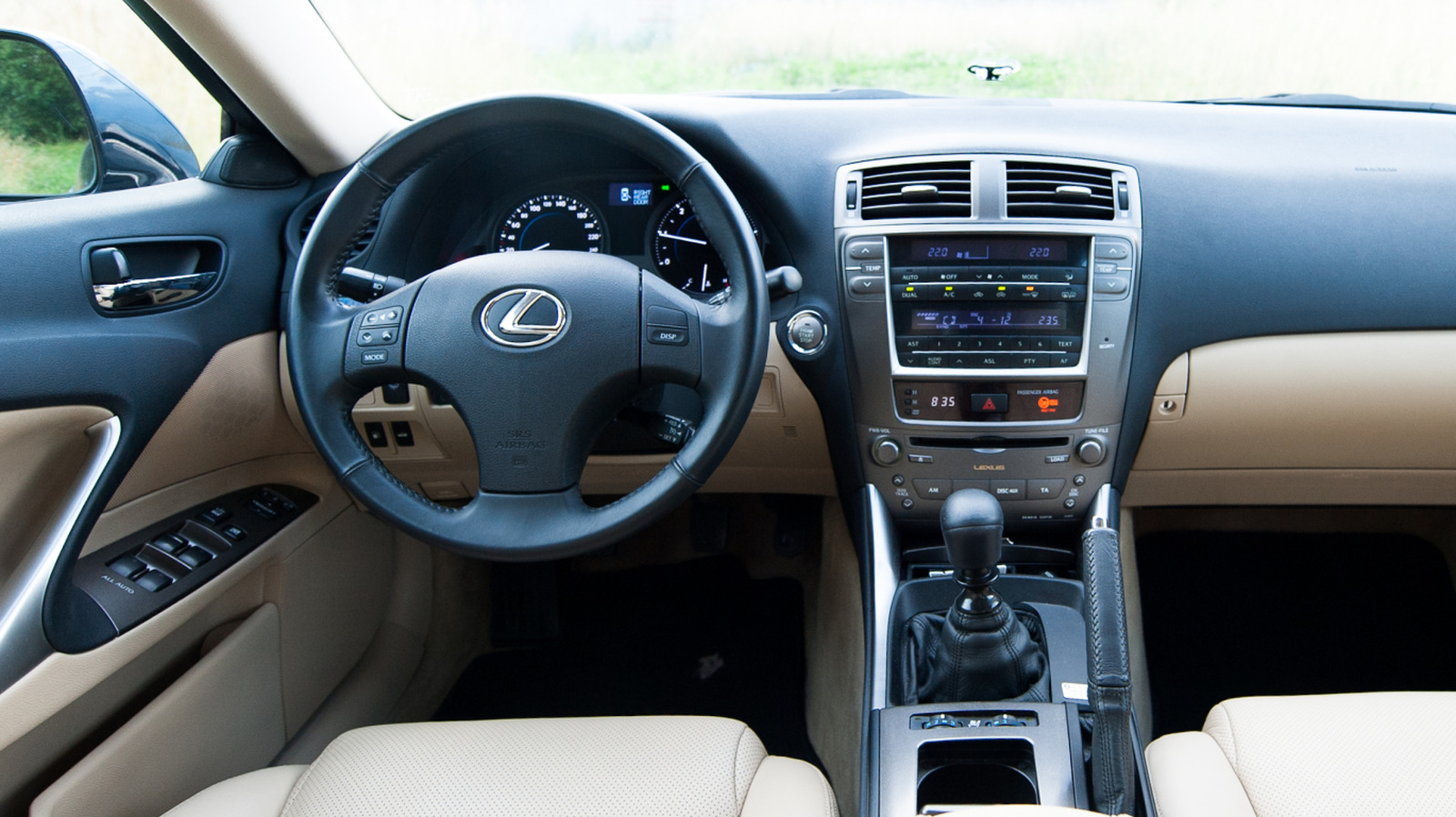
Lexus dropped its last manual transmission option from the American market years ago, and finding one today ranks among the rarest automotive hunts. The luxury brand built its reputation on sophisticated automatic gearboxes, yet a singular model broke that mold and now commands collector attention.
The IS 300 stands as that final holdout. Lexus offered the manual IS 300 through 2005, making it the last stick-shift model the brand sold stateside. The 2-liter inline-six engine paired with that five-speed manual created a driving experience that contradicted Lexus's typical refinement-obsessed philosophy. Buyers wanted comfort and convenience. Lexus gave them automatics. The IS 300 manual was the exception that proved the rule.
Finding a surviving example today requires patience. These cars have aged into the 15-to-20-year range, and manual transmissions weren't the priority for most Lexus buyers chasing luxury sedans. Depreciation hit them hard. Many got junked or traded away. Those that remain often carry six figures in mileage.
The manual IS 300 sits at an intersection of nostalgia and practicality that resonates with driving enthusiasts. It offered legitimate performance credentials. The inline-six made 215 horsepower and 214 pound-feet of torque. That powertrain setup attracted drivers who rejected the creeping automation trend consuming the luxury segment.
Lexus's broader market reflected this reality. The brand's clientele prioritized seamless shifting, fuel economy, and minimal driver intervention. The manual transmission clashed with those priorities. By the mid-2000s, automatics had become faster, smoother, and more efficient than stick shifts. The business case for manuals evaporated.
Today's market treats these last manuals as footnotes. Enthusiasts recognize