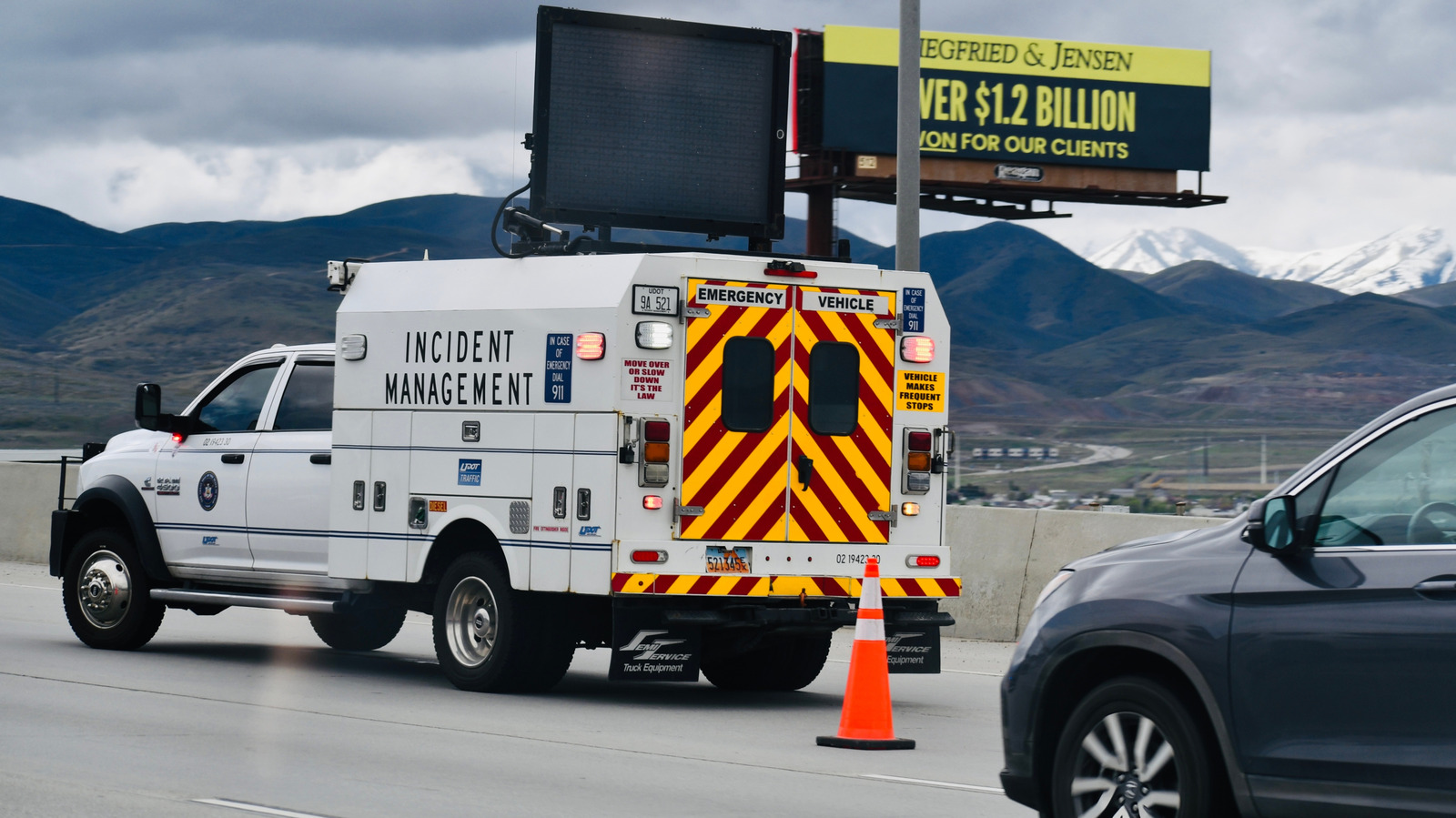
Move over laws are now universal across America, yet enforcement data reveals a persistent compliance problem. All 50 states have enacted legislation requiring drivers to change lanes when approaching emergency vehicles on the roadside. Despite this ubiquity, roughly one-third of drivers continue to violate the rule, creating genuine danger for police officers, firefighters, and paramedics working roadside incidents.
The penalties for ignoring move over laws vary by jurisdiction but pack serious teeth. Violators face fines reaching $10,000 in some states, with certain jurisdictions imposing jail time for repeat offenses or incidents resulting in injury or death. These consequences exist because roadside enforcement work remains hazardous. Emergency responders face constant risk from distracted or careless drivers passing too close at highway speeds.
The law itself functions simply. When you see flashing lights ahead, change lanes away from the emergency vehicle if safe to do so. If lane change isn't possible, slow down significantly. The rule covers police cars, fire trucks, ambulances, and in many states, tow trucks and highway maintenance vehicles displaying warning lights.
Yet despite universal adoption and clear messaging from traffic safety organizations, compliance remains disappointing. Driver education campaigns have struggled to make the rule stick in motorists' minds. Distraction plays a role. Some drivers genuinely don't register the flashing lights until they're already committed to passing. Others misjudge the danger, thinking a quick pass poses minimal risk.
States continue pushing awareness efforts, but the gap between law and behavior persists. Insurance companies report that emergency responder incidents from move over violations continue regularly. Enforcement has intensified in some areas through targeted patrols, but catching violators requires officers to be present during actual violations.
The uniform adoption across all states suggests the safety case is overwhelming. Two-thirds compliance isn't enough when lives depend on that extra safety margin. Drivers need to