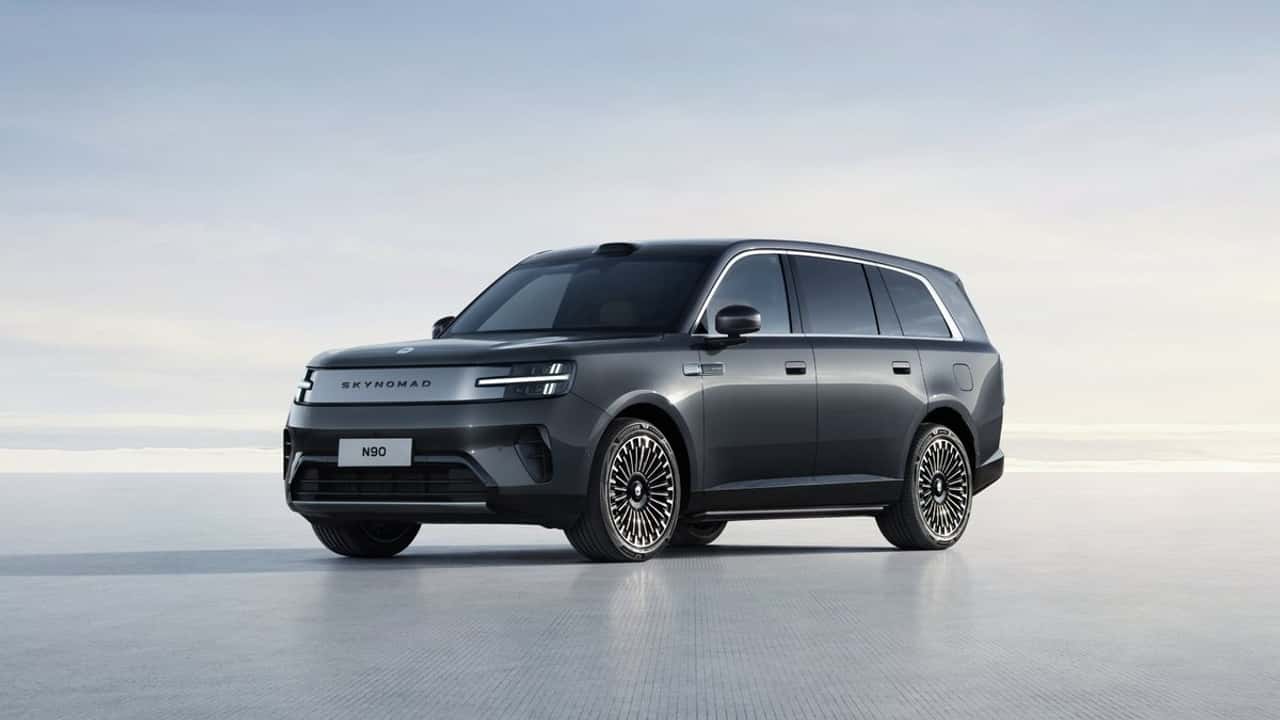
Xiaomi, the Chinese consumer electronics giant, has entered the automotive market with the SkyNomad N90, an extended-range electric vehicle (EREV) designed as a family adventure SUV. This marks Xiaomi's first vehicle offering following its automotive division's launch.
The N90 targets the growing segment of consumers seeking flexibility for long-distance travel without full dependence on charging infrastructure. As an EREV, it pairs an electric motor with a gas-powered range extender engine that kicks in when battery reserves deplete, addressing range anxiety that plagues purely battery electric vehicles.
The vehicle positions itself as a practical family hauler, prioritizing cargo capacity and passenger comfort alongside electric efficiency for city driving. The configuration reflects market demands in China, where EREVs have gained traction among families concerned about long-distance capability and charging network gaps.
Xiaomi's entry into automotive manufacturing represents a broader trend of technology companies diversifying into mobility. The company brings expertise in software integration, user interfaces, and connected technology that can differentiate its vehicle offerings. This mirrors similar pivots by Apple, Google, and other tech firms exploring automotive opportunities.
The SUV segment dominates Chinese passenger vehicle sales, making the N90's categorization strategic. EREVs occupy a middle ground between traditional hybrids and pure EVs, offering electric-first driving for daily commutes while retaining combustion backup for longer journeys.
Xiaomi faces established competition from traditional automakers like Li Auto and BYD, both experienced in EREV technology. However, Xiaomi's brand recognition, manufacturing resources, and technological capabilities position it as a credible competitor. The company's first automotive attempt signals serious long-term commitment rather than a speculative venture.
The N90 demonstrates that Chinese automakers increasingly recognize hybrid-electric solutions as viable pathways for the transition to electrified transportation.