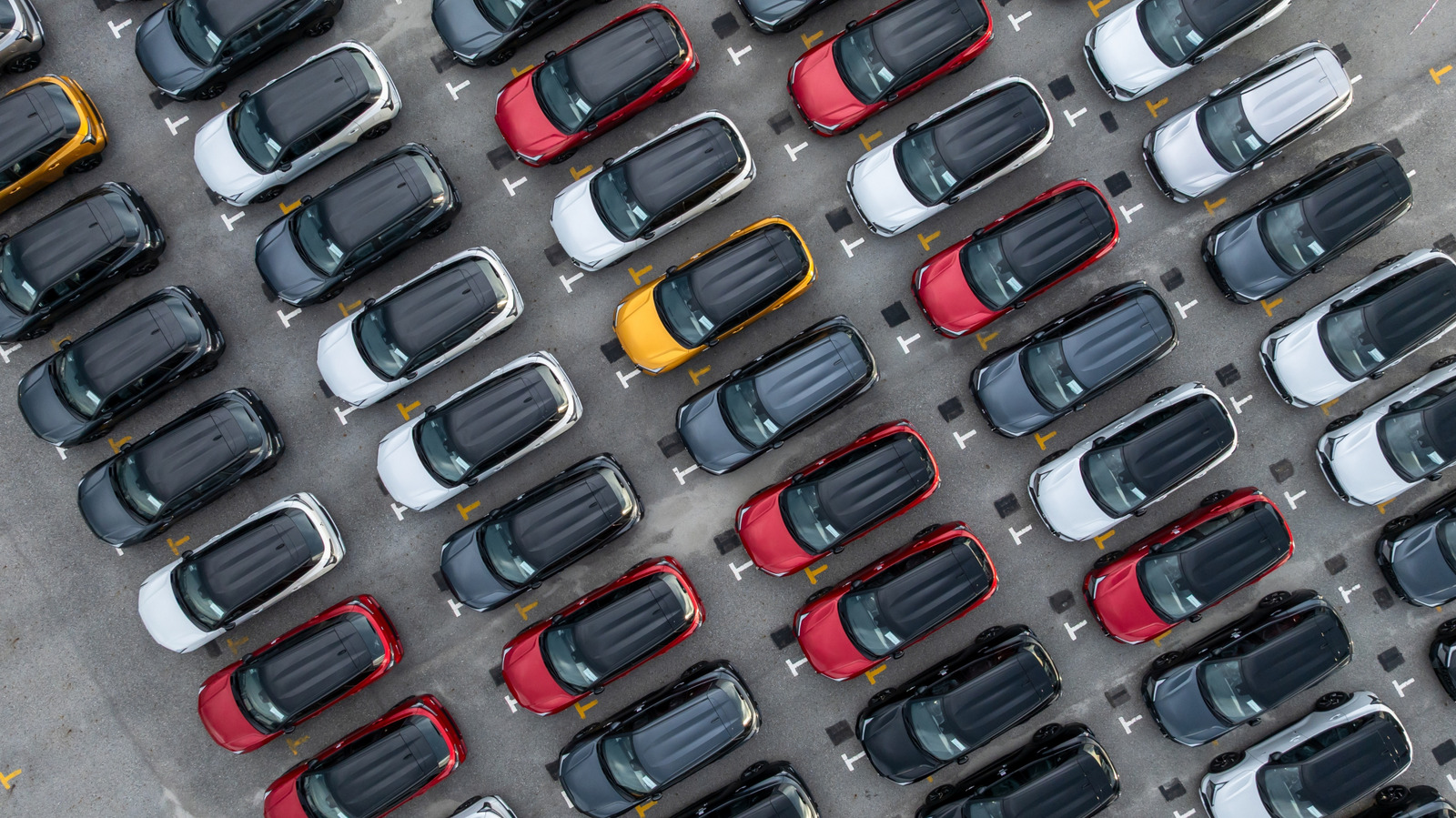
Thirteen U.S. states still maintain blue laws that prohibit new vehicle sales on Sundays, a remnant of religious legislation that many modern consumers find archaic. These restrictions exist in Connecticut, Delaware, Indiana, Iowa, Kentucky, Louisiana, Maine, Michigan, Mississippi, Missouri, New Hampshire, North Carolina, and Pennsylvania.
The origins of blue laws trace back centuries, rooted in religious observance and the desire to protect workers from seven-day work weeks. Today, they function as competitive relics that frustrate both dealers and buyers seeking convenient shopping hours.
The practical impact varies by state. Some blue laws allow limited exceptions for used vehicles or private sales while banning new car transactions. Others permit dealerships to remain open but prohibit actual sales from occurring. A few states have begun relaxing enforcement, though formal repeal remains slow.
Dealers face operational inefficiency under these restrictions. Competitors in neighboring states without such laws capture cross-border sales, particularly from consumers willing to drive to find dealerships with extended weekend hours. The rules also limit customer choice and convenience in an era when online shopping and flexible retail hours define consumer expectations.
Recent challenges to blue laws have gained momentum in some states. Advocates for repeal argue that modern retail practices render Sunday closures unnecessary and economically counterproductive. Dealership associations in affected states have pushed for legislative reform, though religious groups and traditional interests have occasionally resisted changes.
The persistence of these laws reflects broader regulatory inertia. Repealing blue laws requires legislative action, which many state lawmakers deprioritize despite their minimal contemporary relevance. Michigan and Pennsylvania have debated reforms multiple times without success. Delaware and Connecticut have similarly resisted full elimination.
For consumers in these 13 states, the restrictions mean fewer shopping options and reduced negotiating power. Dealerships cannot adjust staffing or hours to match customer demand on what remains America's second-bus