Tesla maintains overwhelming dominance in the US EV market, capturing roughly 50 percent of all sales through mid-2026, but competitors are finally closing the gap with fresh models entering showrooms.
The top 10 best-selling electric vehicles reflect a market in transition. Tesla's Model Y and Model 3 continue to lead overall sales, leveraging the company's manufacturing scale, charging network, and brand recognition. No other automaker comes close to Tesla's volume or market share in pure numbers.
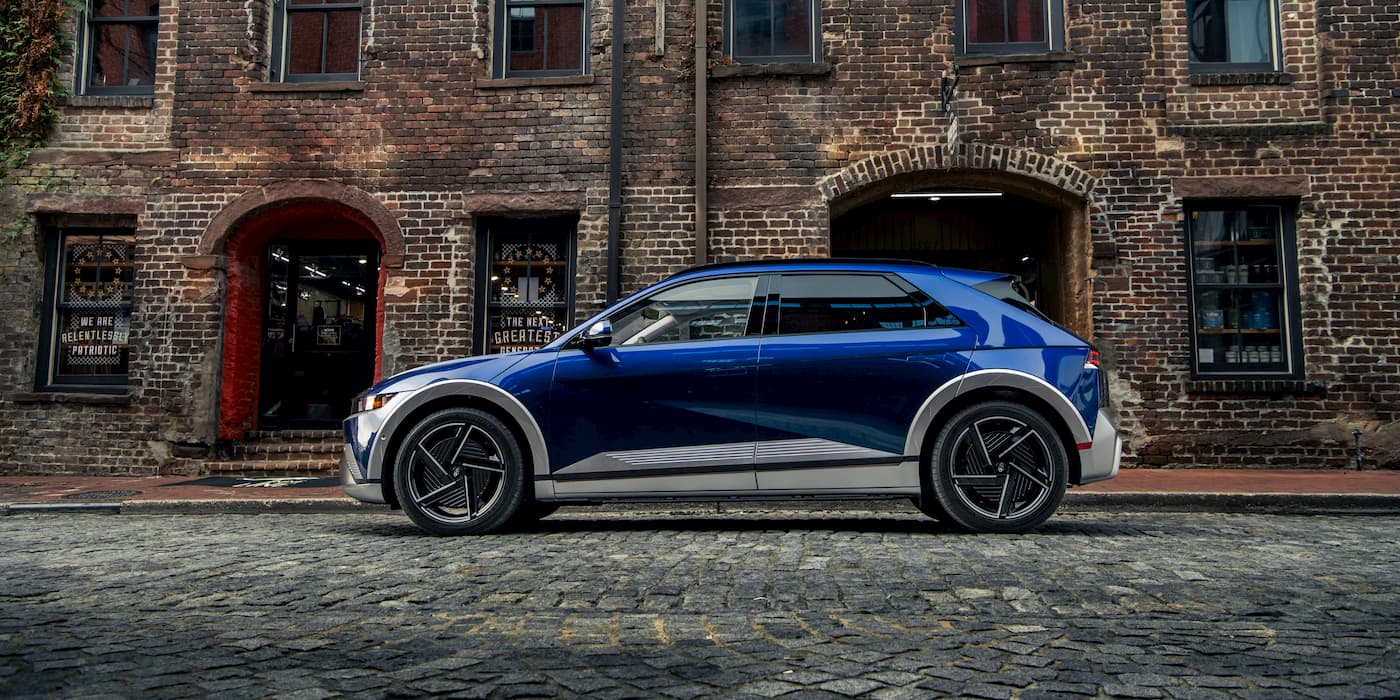
However, the competitive landscape has shifted. Ford, General Motors, Hyundai, and Volkswagen are all shipping new EV variants that appeal to different buyer segments. Hyundai's Ioniq lineup offers affordability and warranty coverage. GM's Cadillac Lyriq and Chevy Equinox EV target the profitable crossover segment. Ford's Mustang Mach-E and F-150 Lightning continue gaining traction with traditional truck and SUV buyers.
Chinese-made EVs remain largely absent from the top 10, though geopolitical trade barriers keep most BYD and NIO models out of US showrooms. That dynamic limits competition for Tesla's entry-level offerings.
Pricing pressure is real. The average EV transaction price has dropped as manufacturers introduce lower-cost models and incentives persist. Buyers now have legitimate choices beyond Tesla, which explains why Tesla's share, while dominant, has retreated from its 70-plus percent peak of prior years.
The market split tells a story: luxury buyers gravitate toward Tesla or premium offerings from BMW and Mercedes. Mass-market shoppers increasingly consider Hyundai, Kia, Ford, and GM options. SUV and truck buyers have more choices than ever.
Tesla's 50 percent share remains historically massive, but the company faces a fundamentally different competitive environment than