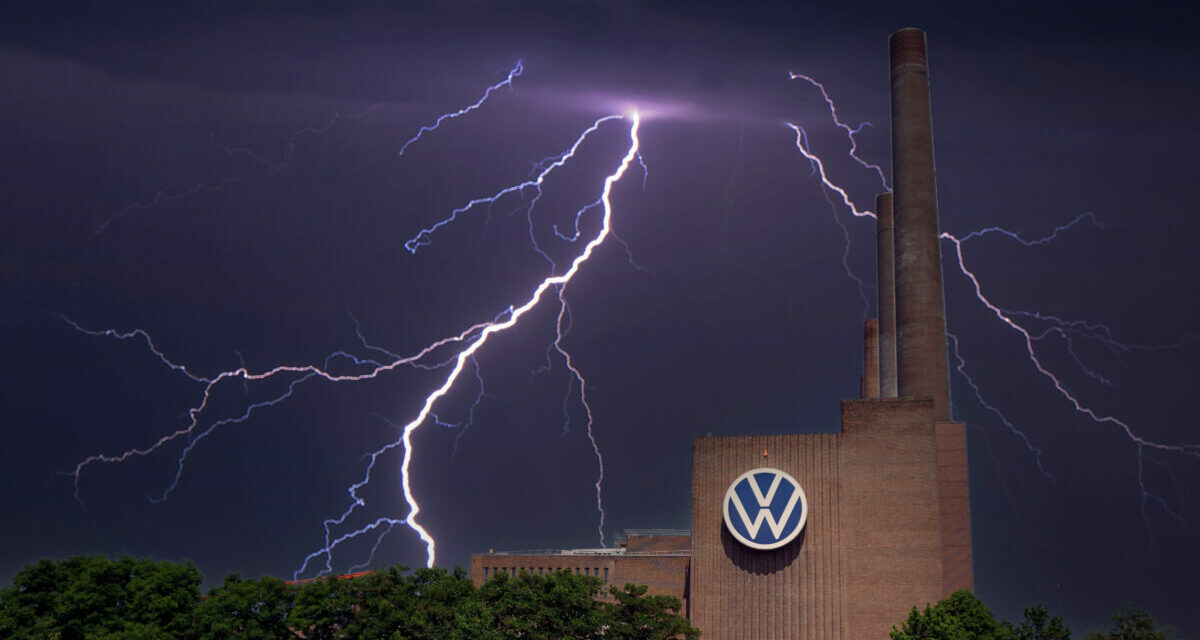
Volkswagen unveiled a restructuring plan that slashes its model portfolio by 50 percent but sidesteps the employment and factory closure questions that have paralyzed its supervisory board. The German automaker will discontinue around half its current vehicle offerings as part of a broader cost-reduction strategy, yet avoided committing to specific workforce reductions or plant shutdowns.
The move reflects VW's struggle to balance operational efficiency against mounting pressure from unions and works councils that control half the board seats. Germany's codetermination rules give labor representatives veto power over major plant decisions, creating a deadlock that VW has not resolved. By focusing on model cuts rather than employment decisions, the company temporarily sidesteps confrontation while buying time for negotiations.
VW faces brutal economics. The automaker must slash costs to fund its EV transition while competing against Tesla and Chinese makers like BYD that operate at far lower expense ratios. Cutting models allows the company to consolidate platforms and production footprints without immediately announcing layoffs or closures. This tactical approach lets management maintain credibility with unions while signaling to markets that restructuring is underway.
The model cuts will likely concentrate on low-volume niche vehicles and older platforms. VW will retain core sellers like the Golf, Passat, and its electric ID series. Less clear is which factories will handle increased production of remaining models, or whether VW will eventually consolidate German plants where labor costs are highest.
Investors want clarity on plant efficiency and headcount reduction timelines. VW's stock reflects this uncertainty. A prolonged impasse between management and works councils could delay structural changes that competitors have already implemented. Tesla produces vehicles at half VW's labor cost per unit. BYD's Chinese operations operate at even leaner metrics.
VW's next move likely involves direct negotiations with IG Metall, the powerful union representing 120,