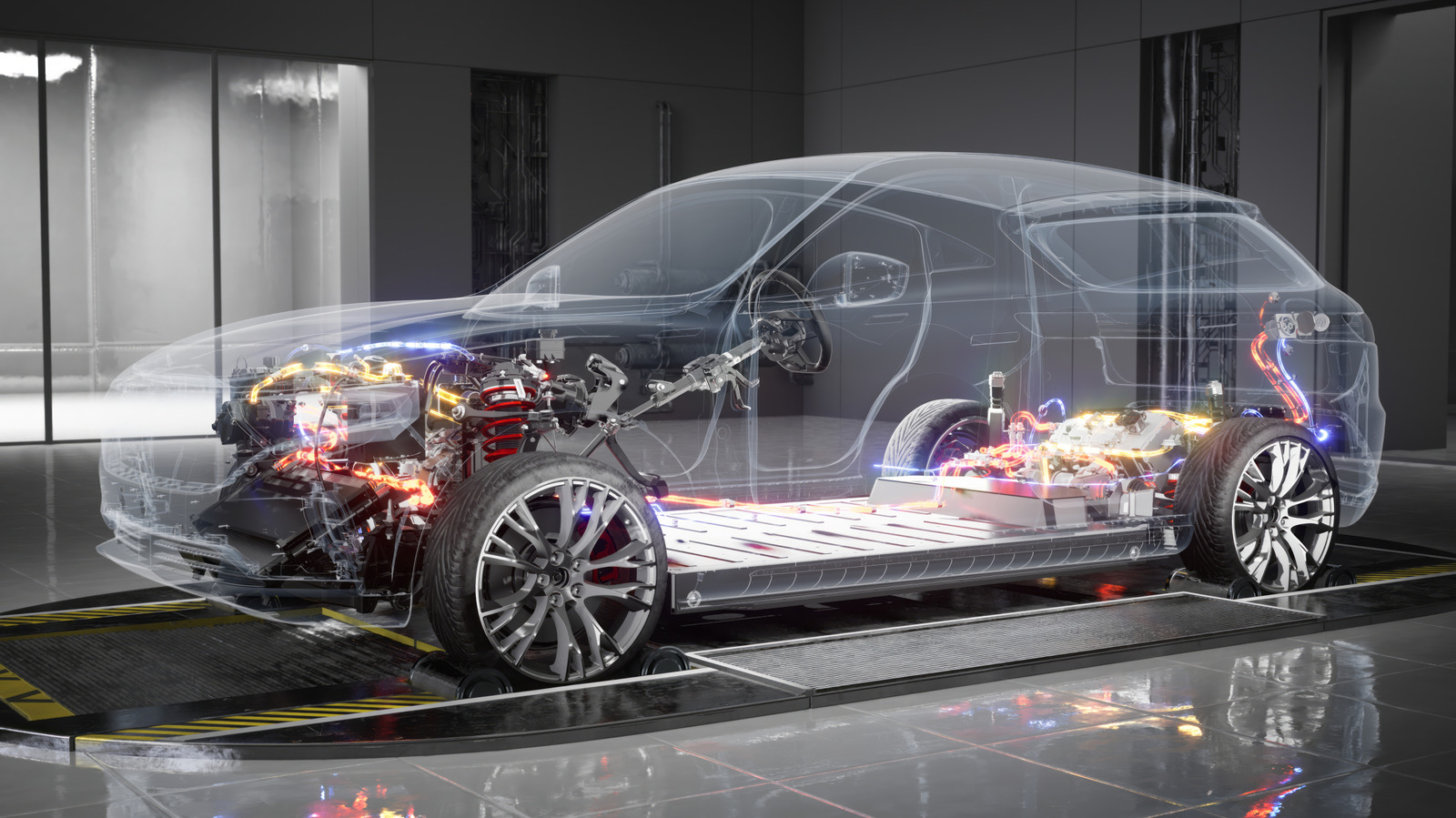
Electric vehicles eliminate many traditional maintenance headaches. No oil changes, no spark plugs, no transmission fluid. The regenerative braking system reduces wear on friction brakes, extending pad life significantly. Yet EV owners face distinct maintenance realities that differ sharply from gas cars.
Battery health monitoring becomes critical. Owners should track state of charge, voltage consistency, and cell degradation patterns. Battery thermal management systems require attention. Coolant and thermal fluid changes still occur, though less frequently than oil changes in combustion engines.
Tire maintenance gains importance. EVs weigh more than comparable gas vehicles due to battery mass, accelerating tire wear. Heavier curb weight stresses suspension components faster. Tire rotations and pressure checks remain essential. Winter driving demands different tire compound selection, as cold reduces battery efficiency and tire grip simultaneously.
Brake fluid still needs periodic replacement despite reduced brake pad wear. Sealed systems prevent contamination, but moisture absorption over time requires attention. Cabin air filters and HVAC systems function like gas cars and need routine service.
Software updates differ fundamentally from traditional maintenance. EVs receive over-the-air updates affecting performance, efficiency, and features. These updates happen automatically or with owner input, requiring no dealer visit.
Cooling systems demand respect. Battery thermal management fluid and motor coolant prevent overheating during aggressive driving or fast charging. Regular checks prevent leaks and maintain optimal operating temperatures.
Charging infrastructure maintenance falls partly on owners. Home chargers need periodic inspection for electrical safety. Public chargers vary in condition, making rapid charging infrastructure reliability a fleet-level concern rather than individual maintenance.
The maintenance cost advantage remains real but modest. Lower fluid requirements and extended brake life reduce expenses. However, expensive battery repairs or replacement dwarf traditional repair costs. Warranty coverage varies by manufacturer, with most covering batteries for 8 years or 100,000 miles minimum.